
📋 Table of Contents
- What is Olericulture?
- Why Vegetable Cultivation Matters
- Tomato Cultivation — Lycopersicon esculentum
- Carrot Cultivation — Daucus carota
- Lettuce Cultivation — Lactuca sativa
- Soil & Nutrient Management
- Irrigation & Water Management
- Pest & Disease Control
- Harvesting, Post-Harvest & Storage
- Modern Techniques & Future Trends
What is Olericulture?
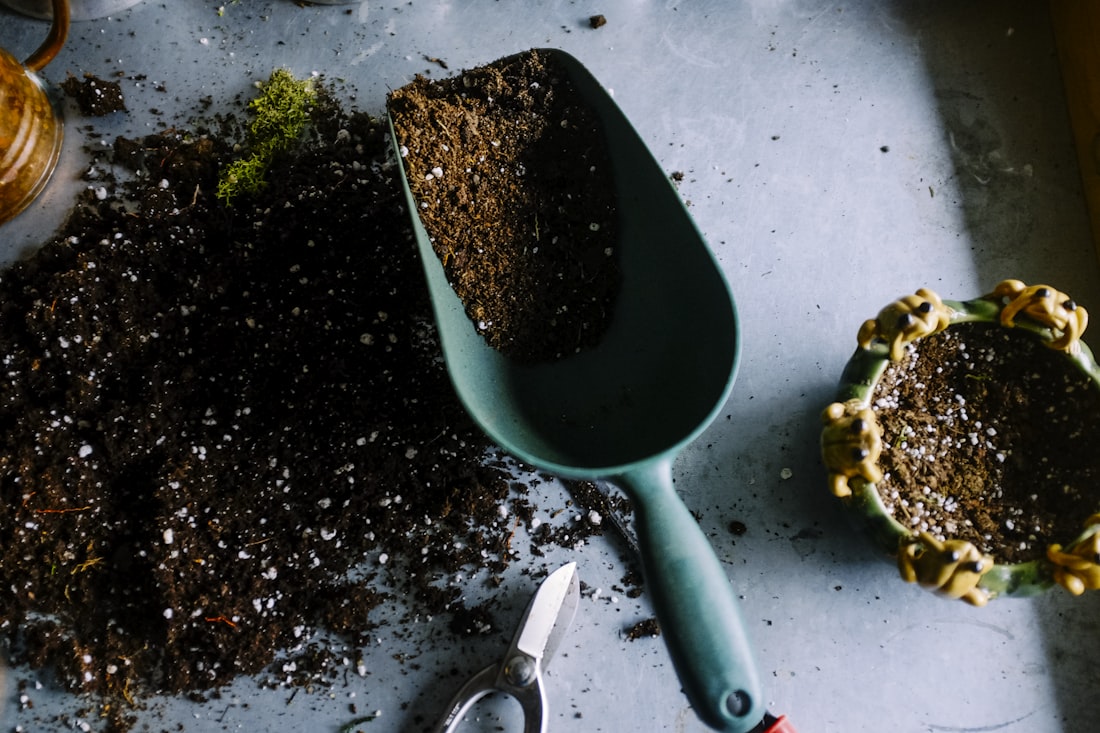
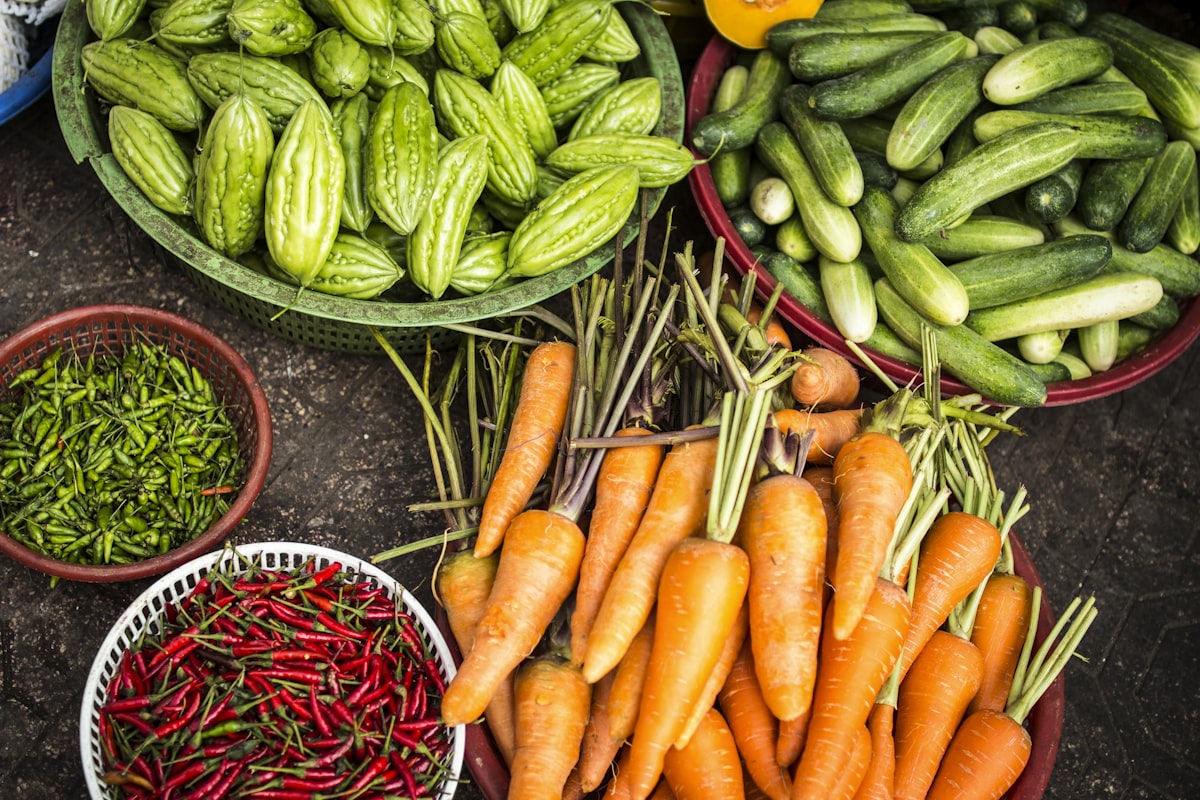
Fig. 1 — Diverse vegetable crops thriving in open-field conditions.
Olericulture is the branch of horticulture dedicated to the cultivation, processing, and marketing of vegetables. The term originates from the Latin word oleris (pot herb or vegetable garden) and cultura (cultivation). Within the RAMSPROZONE framework of agricultural zones, olericulture occupies a critical role in sustainable food production and nutritional security across climatic regions.
Unlike fruit crops, vegetables are largely annuals or biennials cultivated for their edible roots, stems, leaves, flowers, fruits, seeds, or tubers. The discipline encompasses everything from soil preparation and seed selection to irrigation, integrated pest management, and post-harvest handling.
📌 Quick Definition
Olericulture = the science, technology, and business of producing, storing, processing, and marketing vegetables for human consumption. It is a cornerstone of global food security, contributing to the dietary needs of over 8 billion people.
Key Branches of Olericulture
- Root Vegetable Crops: Carrots, beets, radishes, turnips — grown primarily for their underground storage organs.
- Leafy Vegetables: Lettuce, spinach, cabbage — cultivated for their edible foliage.
- Fruit Vegetables: Tomatoes, cucumbers, peppers — botanically fruits but culinarily vegetables.
- Bulb & Stem Vegetables: Onions, garlic, celery — grown for their edible bulbs or stems.
- Leguminous Vegetables: Peas, beans — valued for protein and nitrogen fixation.
Why Vegetable Cultivation Matters

Fig. 2 — Fresh vegetables at a global produce market, representing agricultural commerce.
Vegetables are among humanity's most essential food groups, providing vitamins, minerals, dietary fibre, antioxidants, and phytonutrients that protect against non-communicable diseases. Globally, the FAO estimates that increasing vegetable consumption could prevent millions of premature deaths annually.
Economic & Social Importance
- Employment Generation: Vegetable farming supports hundreds of millions of smallholder farmers, farm workers, and agri-business employees worldwide.
- Income per Unit Area: Vegetables generate significantly higher income per hectare compared to most staple grain crops.
- Nutritional Security: A diversified vegetable supply addresses micronutrient deficiencies (iron, zinc, Vitamin A, folate) affecting 2+ billion people globally.
- Export Revenue: Countries like China, Mexico, Netherlands, Spain, and India earn billions annually exporting processed and fresh vegetables.
- Urban Farming & Food Miles: Growing vegetables closer to cities reduces logistics costs and carbon footprints.
| Vegetable | Global Production (MT/yr) | Top Producer | Key Nutrient |
|---|---|---|---|
| Tomato | ~186 million | China | Lycopene, Vitamin C |
| Carrot | ~45 million | China | Beta-carotene, Fibre |
| Lettuce | ~28 million | China | Folate, Vitamin K |
| Onion | ~100 million | China | Quercetin, Sulphur |
| Cucumber | ~90 million | China | Hydration, Silica |
Tomato Cultivation — Lycopersicon esculentum
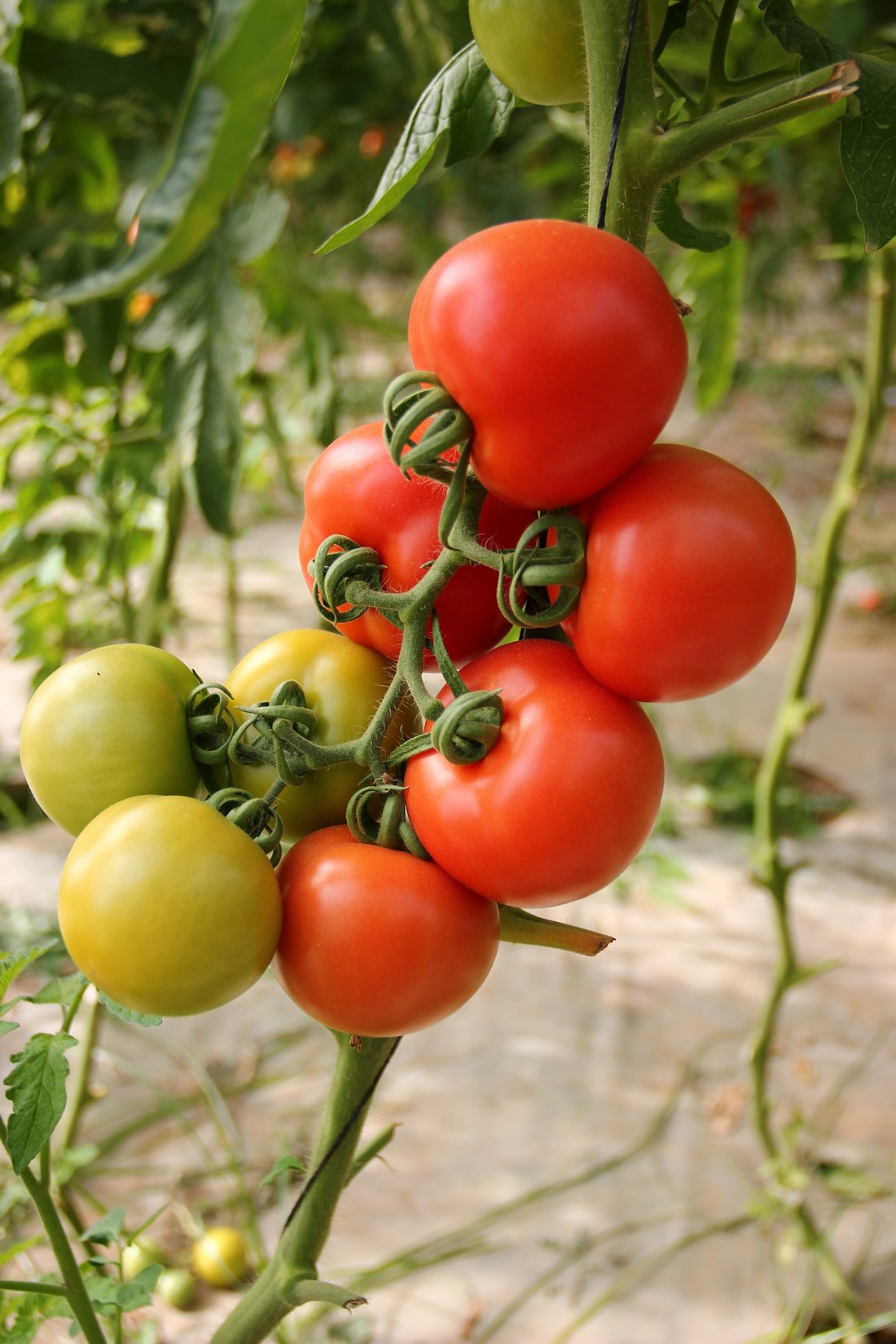
Fig. 3 — Vibrant tomato vines laden with ripe fruit ready for harvest.
The tomato (Lycopersicon esculentum, syn. Solanum lycopersicum) is the world's most economically important vegetable crop. Native to the Andean region of South America, it has adapted globally and is cultivated across tropical, subtropical, and temperate zones. Within the RAMSPROZONE classification, tomatoes occupy the warm-zone vegetable tier.
Climatic Requirements
Tomatoes prefer daytime temperatures between 21–27°C and night temperatures of 16–18°C. They are sensitive to frost. Optimal sunshine of 6–8 hours per day promotes photosynthesis and fruit set. Relative humidity above 70% promotes fungal diseases, while very low humidity affects pollination.
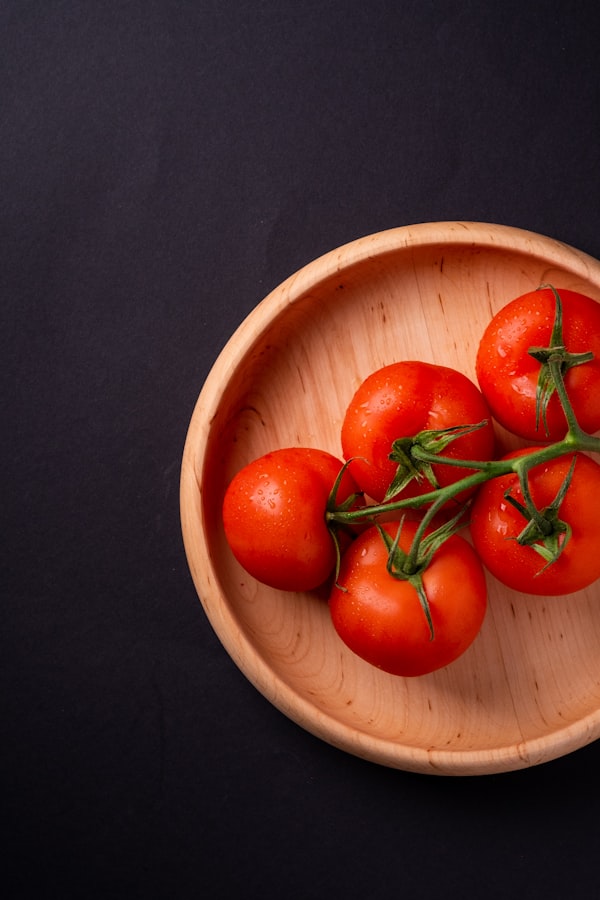
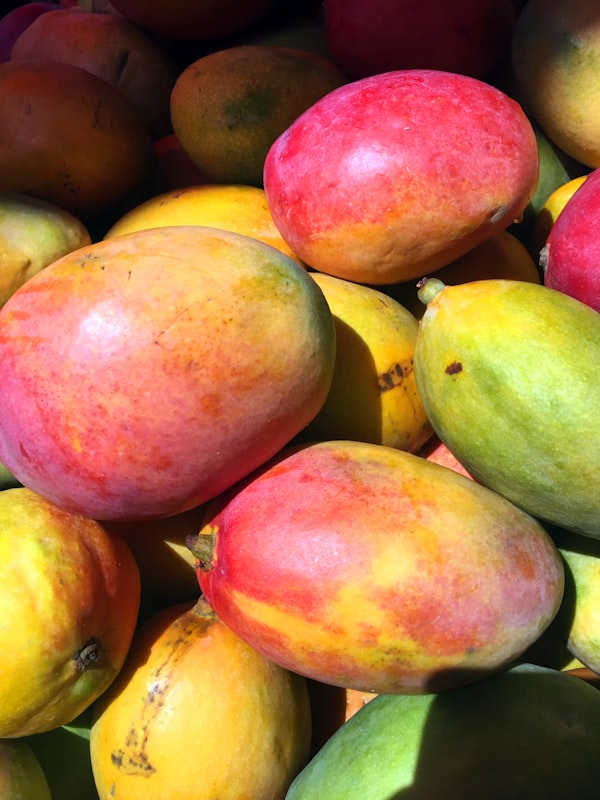
Fig. 4 — Left: Tomato seedlings at nursery stage. Right: Cherry tomato variety at harvest.
Step-by-Step Cultivation Phases
Seed Selection & Nursery Preparation
Select certified, disease-resistant varieties (e.g., Roma, Beefsteak, Hybrid F1). Sow seeds in seedling trays using a sterile soilless mix. Germination occurs in 7–10 days at 25°C. Harden seedlings for 7 days before transplanting.
Land Preparation & Transplanting
Deep plough to 30 cm. Incorporate well-rotted FYM at 20–25 t/ha. Raise beds or ridges for drainage. Transplant 25–30 day old seedlings at 60×45 cm spacing. Apply basal dose of fertilizers (N:P:K = 100:60:60 kg/ha).
Staking & Training
Stake indeterminate varieties at 40–50 cm height using bamboo poles or trellises. Remove side shoots (suckers) regularly. Single-stem or double-stem training systems improve air circulation and fruit quality.
Flowering, Pollination & Fruit Set
First flowers appear at 45–60 days. Shake plants gently or use vibrating tools to assist self-pollination. Boron deficiency causes poor fruit set — foliar spray of 0.2% boric acid helps. Fruit set to harvest is 45–60 days.
Harvest & Yield
Harvest when fruits are breaker-stage (turning pink/red). Average yield: 20–35 t/ha (open field), 80–120 t/ha (greenhouse). Use gentle handling to prevent bruising for fresh market; allow full ripening for processing.
Common Tomato Diseases & Management
- Early Blight (Alternaria solani): Concentric ring lesions on leaves. Manage with Mancozeb or Chlorothalonil sprays every 10–14 days.
- Late Blight (Phytophthora infestans): Water-soaked lesions turning brown. Use Metalaxyl + Mancozeb; avoid overhead irrigation.
- Fusarium Wilt: Yellowing and wilting. Plant resistant varieties; soil solarisation helps.
- Tomato Mosaic Virus (ToMV): Mottled leaves. Control aphid vectors; use virus-free seed.
Carrot Cultivation — Daucus carota

Fig. 5 — Freshly harvested carrots. Photo by Hans Ott on Unsplash
The carrot (Daucus carota subsp. sativus) is one of the most widely grown and economically important root vegetables globally. An outstanding source of beta-carotene (provitamin A), dietary fibre, potassium, and antioxidants, the carrot is cultivated across all continents. In the RAMSPROZONE system, carrots are classified as cool-season root-zone crops.
Varieties & Classification
- Imperator: Long tapering roots (20–30 cm); preferred for fresh market in North America.
- Nantes: Cylindrical, blunt-tipped, sweet; popular in Europe and Asia.
- Chantenay: Short, broad shoulders; suited to heavy soils.
- Danvers: Medium-length, tolerant of dense soils; processing variety.
- Miniature (Baby Carrots): Short, bred for snacking and convenience markets.
Growing Conditions & Soil Requirements
Carrots grow best in loose, deep, well-drained sandy loam or loamy soils with pH 6.0–6.8. Heavy clay soils cause forked, misshapen roots. Optimal temperature for root development is 15–18°C. High temperatures above 28°C cause short, tough, pale roots with reduced sugar content. Carrots require cool nights to develop sweetness.
🥕 Carrot Nutrition Fact
A 100g serving of raw carrot provides approximately 8,285 µg of beta-carotene — equivalent to 138% of the Recommended Daily Allowance for Vitamin A. Beta-carotene is fat-soluble, so consuming carrots with healthy fats (e.g., olive oil) dramatically improves absorption.
Cultivation Calendar
Soil Preparation (2–3 Weeks Before Sowing)
Deep till to 30–40 cm. Remove stones and clods. Incorporate compost at 15–20 t/ha. Avoid fresh manure — it promotes forking. Form raised beds 90–120 cm wide with 30–40 cm furrow channels.
Direct Seeding (Day 0)
Sow seeds directly (carrots cannot be transplanted — taproot damage is fatal). Seed rate: 4–6 kg/ha. Row spacing: 30–35 cm; seed spacing: 3–5 cm, thinned to 7–10 cm after emergence. Seed depth: 1–1.5 cm. Germination: 10–20 days.
Thinning & Weeding (Weeks 3–5)
Thin seedlings to optimal spacing. Weed twice — at 3 and 6 weeks. Weeding is critical; carrot seedlings are weak competitors. Pre-emergent herbicides (Linuron) can be used carefully. Mulching reduces weed pressure significantly.
Harvest (Day 75–120)
Harvest when roots are 1.5–2 cm diameter at the shoulder. Loosen soil with a fork before pulling. Irrigate 24 hours before harvest for easier extraction. Yield: 25–40 t/ha for fresh market. Remove tops to 2 cm to prevent moisture loss in storage.
Lettuce Cultivation — Lactuca sativa
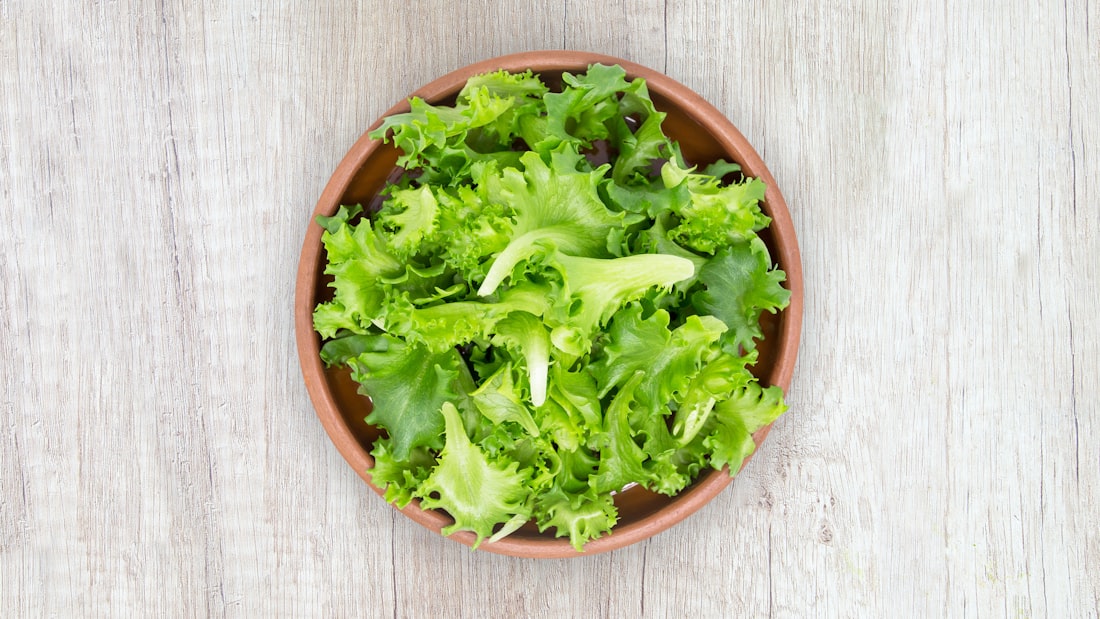
Fig. 7 — Crisp lettuce heads at peak maturity in a well-managed field.
Lettuce (Lactuca sativa) is the quintessential salad green and one of the fastest-growing vegetable crops in commercial horticulture. From greenhouse hydroponics to outdoor organic fields, lettuce production is remarkably versatile. In RAMSPROZONE classification, lettuce is a cool-zone, short-cycle leafy crop.
Major Lettuce Types
| Type | Characteristics | Common Varieties | Days to Harvest |
|---|---|---|---|
| Crisphead (Iceberg) | Compact, crunchy head; long shelf life | Great Lakes, Salinas | 70–80 |
| Butterhead (Bibb) | Soft, loose head; buttery texture | Boston, Buttercrunch | 55–75 |
| Romaine (Cos) | Tall, upright; crisp ribs; high Vit K | Parris Island, Rouge d'Hiver | 60–80 |
| Loose-Leaf | No head; continuous harvest; fastest | Red Sails, Oak Leaf | 45–60 |
| Stem Lettuce | Grown for stem; popular in Asia | Celtuce varieties | 60–90 |
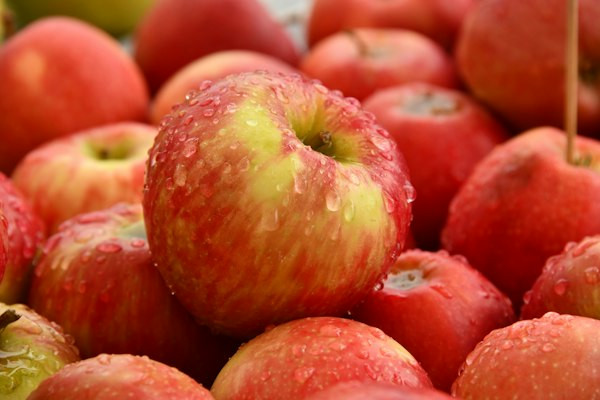
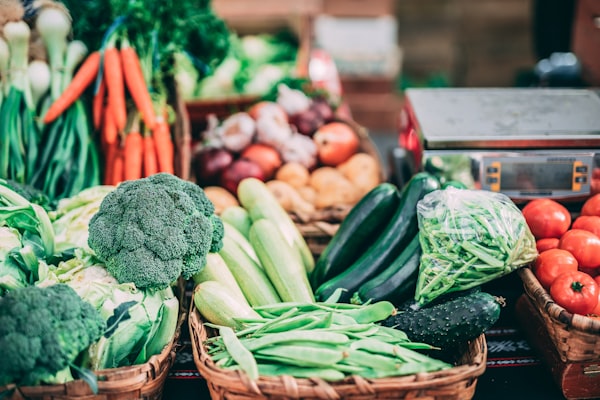
Fig. 8 — Left: Field-grown lettuce. Right: Hydroponic lettuce production under controlled-environment agriculture.
Environmental Requirements
Lettuce is a cool-season crop performing best at 15–22°C. It bolts (produces a seed stalk prematurely) when temperatures exceed 27°C continuously or when day length exceeds 14 hours. Modern varieties have improved bolt-resistance. Lettuce requires 6+ hours of sunlight but tolerates partial shade in hot climates. It grows well in a wide range of soils but prefers well-drained sandy loam with pH 6.0–7.0.
Lettuce Production Systems
- Open-Field Cultivation: Most common globally. Low cost; seasonal cycles. Row spacing 30–35 cm. 3–4 crops per year possible in mild climates.
- Protected Cultivation (Poly-House/Greenhouse): Year-round production. Temperature and humidity controlled. Higher yields and quality.
- NFT Hydroponics: Nutrient Film Technique — plant roots in shallow streams of nutrient solution. No soil; ultra-efficient water use. 30% faster growth than soil.
- Vertical Farming: Multi-layer indoor systems with LED lighting. Year-round, pesticide-free, urban-suitable.
- Aquaponics: Integrated fish-lettuce systems where fish waste provides nutrients. Eco-friendly; popular in community and school gardens.
💡 Tip: Preventing Tip Burn in Lettuce
Tip burn — brown, necrotic leaf edges — is caused by localised calcium deficiency in rapidly growing inner leaves. Prevent it by ensuring consistent moisture, good air circulation, optimal calcium in nutrient solution (NFT: maintain 150–200 ppm Ca), and avoiding extreme temperatures.
Soil & Nutrient Management in Vegetable Crops
Fig. 9 — Rich, friable topsoil — the foundation of successful vegetable cultivation.
Soil health is the single greatest determinant of vegetable crop productivity. Olericulture demands a holistic understanding of soil physics, chemistry, and biology. The RAMSPROZONE protocol emphasises integrated soil management — combining organic amendments, mineral fertilisers, and biological inputs.
Macronutrients — Functions & Deficiency Signs
| Nutrient | Function in Plant | Deficiency Symptom | Source |
|---|---|---|---|
| Nitrogen (N) | Leaf and stem growth; chlorophyll | Yellow-green older leaves; stunted growth | Urea, Ammonium nitrate, Compost |
| Phosphorus (P) | Root development; energy transfer | Purple-red leaves; poor root development | SSP, TSP, Rock phosphate |
| Potassium (K) | Fruit quality; drought resistance; photosynthesis | Scorched leaf margins; weak stems | MOP, SOP, Wood ash |
| Calcium (Ca) | Cell wall strength; enzyme activation | Blossom end rot (tomato); tip burn (lettuce) | Lime, Gypsum, Calcium nitrate |
| Magnesium (Mg) | Chlorophyll centre; enzyme activation | Interveinal chlorosis (older leaves) | Dolomite lime, Epsom salt |
Organic Matter & Soil Biology
- Farmyard Manure (FYM): Apply 15–25 t/ha before planting. Improves structure, water retention, and microbial activity.
- Vermicompost: Use at 5–10 t/ha. Rich in plant-available nutrients and beneficial microbes.
- Green Manures: Incorporate leguminous cover crops (cowpea, soybean) into soil before vegetable planting to add biological nitrogen.
- Biofertilisers: Inoculate seeds with Rhizobium (legumes), Azospirillum (grasses/vegetables), or Phosphate-solubilising bacteria (PSB) to enhance nutrient availability.
- Soil pH Management: Most vegetables prefer pH 6.0–6.8. Acidic soils: apply agricultural lime. Alkaline soils: apply sulphur or acidic fertilisers.
Irrigation & Water Management

Fig. 10 — Photo by Nebular on Unsplash.
Water is the most limiting resource in vegetable production globally. Vegetables have high water requirements — typically 350–500 mm over their growing season — but are highly sensitive to both drought and waterlogging. Efficient irrigation management is central to the RAMSPROZONE vegetable production protocol.
Irrigation Systems Comparison
- Furrow Irrigation: Traditional method. Water flows in furrows between ridges. Low cost but low efficiency (50–60%). Promotes fungal diseases through wet foliage.
- Sprinkler Irrigation: Overhead spray. Good for germination stage. Efficiency 70–80%. Can spread foliar diseases if used at night.
- Drip Irrigation: Water delivered directly to root zone through emitters. Efficiency 90–95%. Enables fertigation. Reduces weed germination. Best practice for tomatoes, lettuce, and carrots.
- Subsurface Drip (SDI): Drip lines buried 10–20 cm underground. Highest efficiency. Reduces evaporation and surface weed germination.
Critical Irrigation Stages by Crop
| Crop | Most Critical Irrigation Stages | Water Stress Effect |
|---|---|---|
| Tomato | Flowering, fruit set, fruit sizing | Blossom drop, blossom end rot, cracking |
| Carrot | Germination, root initiation (weeks 2–4) | Forking, poor germination, bitter taste |
| Lettuce | Establishment, head formation | Tip burn, premature bolting, bitter leaves |
Integrated Pest & Disease Management (IPM)

Fig. 11 — Integrated pest management combining physical, biological, and chemical controls.
Vegetable crops suffer yield losses of 20–50% globally due to pests, diseases, and weeds if unmanaged. Integrated Pest Management (IPM) is the cornerstone strategy — combining prevention, monitoring, cultural, biological, and judicious chemical controls to minimise pesticide use while maintaining economic yields.
Major Pests of Vegetable Crops
- Aphids (Myzus persicae, Aphis gossypii): Suck phloem sap; transmit viruses. Control: Neem oil, Imidacloprid, parasitic wasps (Aphidius spp.).
- Whitefly (Bemisia tabaci): Transmits Tomato Yellow Leaf Curl Virus. Control: Yellow sticky traps, Abamectin, Encarsia parasitoids.
- Caterpillars (Spodoptera, Helicoverpa): Defoliate and bore fruits. Control: BT spray (Bacillus thuringiensis), pheromone traps, Spinosad.
- Root-Knot Nematodes (Meloidogyne spp.): Cause galls on roots; stunt plant growth. Control: Soil solarisation, Carbofuran, Trichoderma inoculants, resistant varieties.
- Carrot Fly (Psila rosae): Larvae tunnel into carrot roots. Control: Row covers, delayed sowing, soil insecticides, crop rotation.
IPM Pyramid: Priority of Controls
Prevention & Cultural Controls (First Line)
Crop rotation (minimum 3-year cycle); resistant varieties; sanitation; optimal plant spacing for air circulation; proper fertilisation (balanced N — excess N promotes pest outbreaks).
Biological Controls (Second Line)
Introduce or conserve natural enemies: Ladybirds (aphids), Trichogramma wasps (lepidopteran eggs), Predatory mites (spider mites). Use biopesticides: BT, Beauveria bassiana, NPV virus.
Chemical Controls (Last Resort)
Use only when pest populations exceed economic threshold. Select least-toxic, selective pesticides. Rotate MOA (mode of action) groups to prevent resistance. Observe pre-harvest intervals strictly.
Harvesting, Post-Harvest Handling & Storage

Fig. 12 — Post-harvest sorting and grading of vegetables for market dispatch.
Post-harvest losses in vegetables can reach 25–50% in developing countries, representing a massive waste of resources, nutrition, and income. Proper post-harvest handling is therefore as important as agronomic production itself. The cold chain — from harvest to consumer — must be unbroken for perishable vegetables.
Maturity Indices by Crop
- Tomato: Colour change from green → breaker (pink) stage for long-distance transport. Full red stage for local markets. Brix (sugar) ≥4.5 for processing.
- Carrot: Root diameter 1.5–2.5 cm at shoulder. Days from sowing (75–120 days). Deep orange colour (high beta-carotene).
- Lettuce: Head firmness (crisphead); before seed stalk elongation (loose-leaf). Days from transplant: 45–80.
Cold Chain & Storage Guidelines
| Vegetable | Optimal Storage Temp | Relative Humidity | Shelf Life |
|---|---|---|---|
| Tomato (ripe) | 10–13°C (never below 10°C — chilling injury) | 85–90% | 7–14 days |
| Carrot | 0–1°C | 98–100% | 6–9 months |
| Lettuce (head) | 0–2°C | 95–100% | 2–3 weeks |
❄️ Critical Post-Harvest Tip
Pre-cooling (field heat removal within 2–4 hours of harvest) is the single most important step in extending vegetable shelf life. Methods include hydro-cooling (cold water immersion), vacuum cooling, and forced-air cooling. Every 10°C reduction in temperature approximately halves the respiration rate and doubles storage life.
Modern Techniques & Future Trends in Olericulture

Fig. 13 — High-tech greenhouse facilities represent the future of precision vegetable production.
The olericulture industry is undergoing a technological revolution driven by climate change, population growth, urbanisation, and the demand for sustainable food systems. RAMSPROZONE identifies the following transformative technologies shaping vegetable cultivation globally.

Fig. 14 — Precision agriculture drone monitoring vegetable fields.
Key Technological Innovations
- Precision Agriculture & IoT Sensors: Real-time monitoring of soil moisture, temperature, pH, and EC through wireless sensor networks. Data-driven irrigation and fertilisation scheduling reduces input waste by 20–40%.
- Drone Technology: UAVs (drones) for aerial field scouting, pest mapping, variable-rate pesticide application, and biomass estimation. Reduces scouting labour by 80%.
- Controlled Environment Agriculture (CEA): Fully enclosed growing systems where all environmental parameters (light, temperature, CO₂, humidity, nutrients) are optimised. Enables year-round production anywhere on Earth.
- CRISPR Gene Editing: Development of disease-resistant, climate-tolerant, nutritionally enhanced vegetable varieties.
- Biostimulants & Microbiome Management: Seaweed extracts, humic acids, and beneficial microbiome inoculants improve plant vigour, stress tolerance, and nutrient efficiency without synthetic inputs.
- AI & Machine Learning: Computer vision systems for disease detection from leaf images. Predictive models for pest outbreak timing. Autonomous robots for weeding and harvesting.
- Aquaponics & Circular Systems: Integrated fish-vegetable systems closing nutrient loops. Urban aquaponic farms produce lettuce, tomatoes, and herbs with near-zero waste water and nutrient runoff.
Global Challenges & the RAMSPROZONE Response
- Climate Change Adaptation: Development of heat-tolerant, drought-resistant varieties; shifting planting windows; shade-net cultivation in hot regions.
- Water Scarcity: Universal adoption of drip irrigation; treated wastewater use in vegetable production (with food-safety protocols); rainwater harvesting.
- Food Safety: GAP (Good Agricultural Practices) certification; traceability systems (QR codes on produce); pesticide residue monitoring.
- Post-Harvest Losses: Cold chain infrastructure investment in developing nations; solar-powered cold storage; edible coatings to extend shelf life.
- Smallholder Inclusion: Digital advisory platforms delivering agronomic advice to smallholders via smartphones. Market linkage apps connecting growers directly to buyers.


0 Comments