
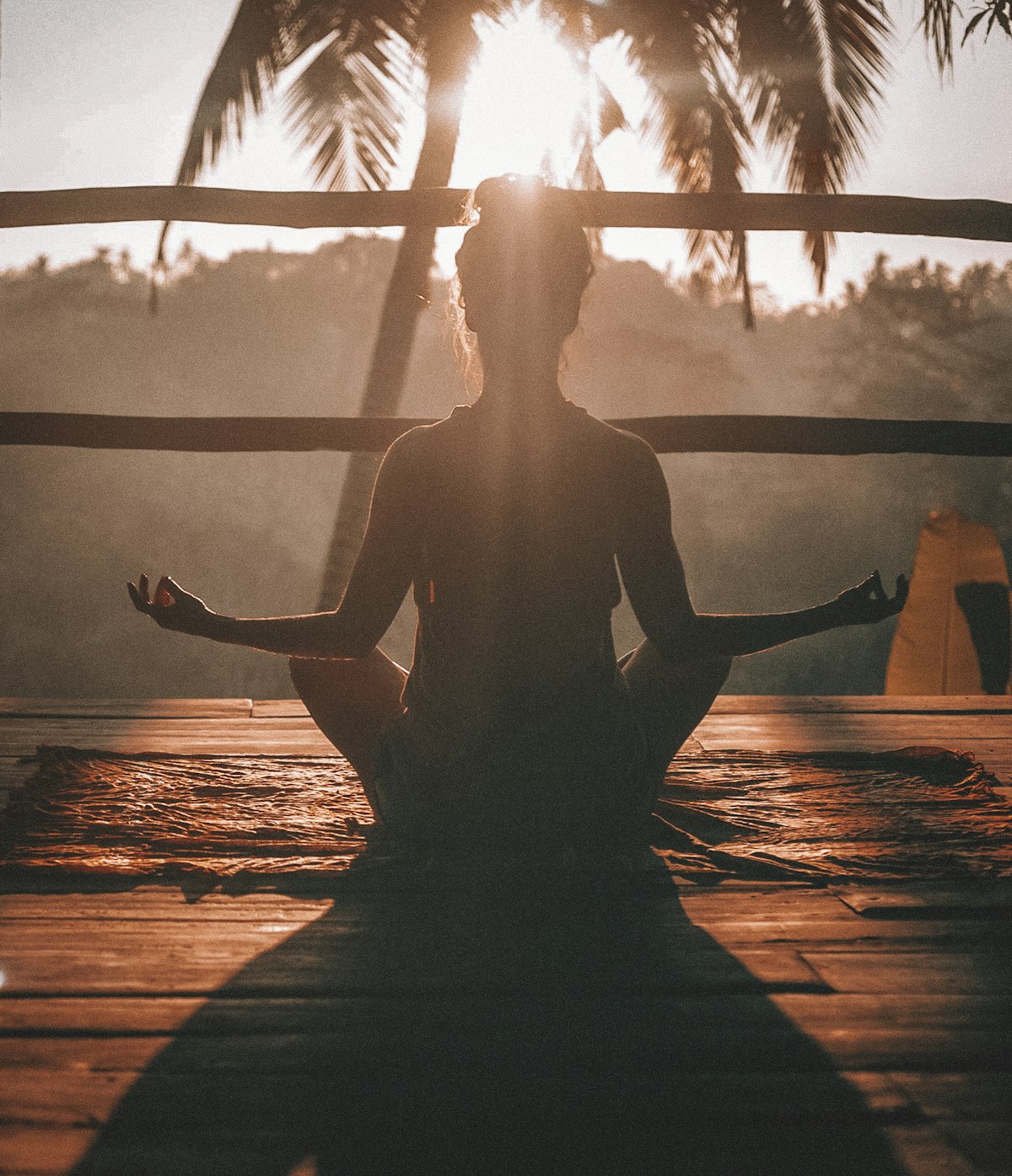
Understanding Your Immune System: The Body's Defense Network
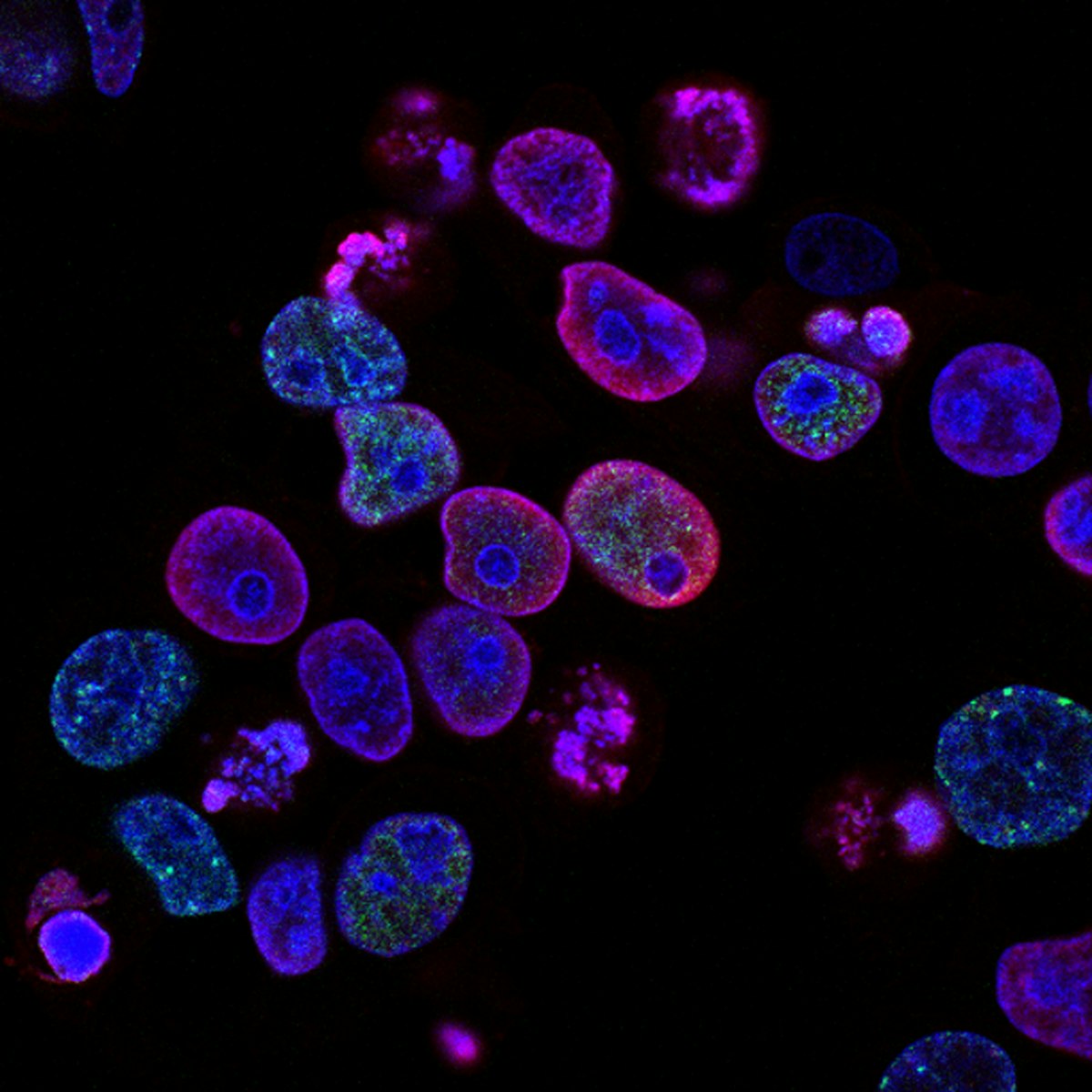
The immune system is a complex, highly intelligent network of cells, tissues, proteins, and organs that work together to protect your body from harmful invaders. It operates on two key levels — the innate immune system (your rapid first responder) and the adaptive immune system (your specialized long-term memory defense).
Understanding how your immunity functions is the first step to protecting and strengthening it. Here are the key players in your immune defense:
- White Blood Cells (Leukocytes): The frontline soldiers that identify and destroy pathogens including bacteria, viruses, and fungi.
- Lymph Nodes: Small glands distributed throughout the body that filter harmful substances and house immune cells ready to respond to infection.
- Thymus Gland: Located behind the breastbone, it trains T-cells — the commanders of adaptive immunity — to recognize specific threats.
- Spleen: Filters blood, removes old red blood cells, and stores immune cells that can be rapidly deployed during infection.
- Gut Microbiome: Over 70% of immune activity originates here — trillions of bacteria regulate inflammatory responses and train immune tolerance.
- Antibodies (Immunoglobulins): Proteins produced by B-cells that bind to specific pathogens and neutralize them before they can cause disease.
Immune-Boosting Nutrition: Eat Your Way to Stronger Immunity
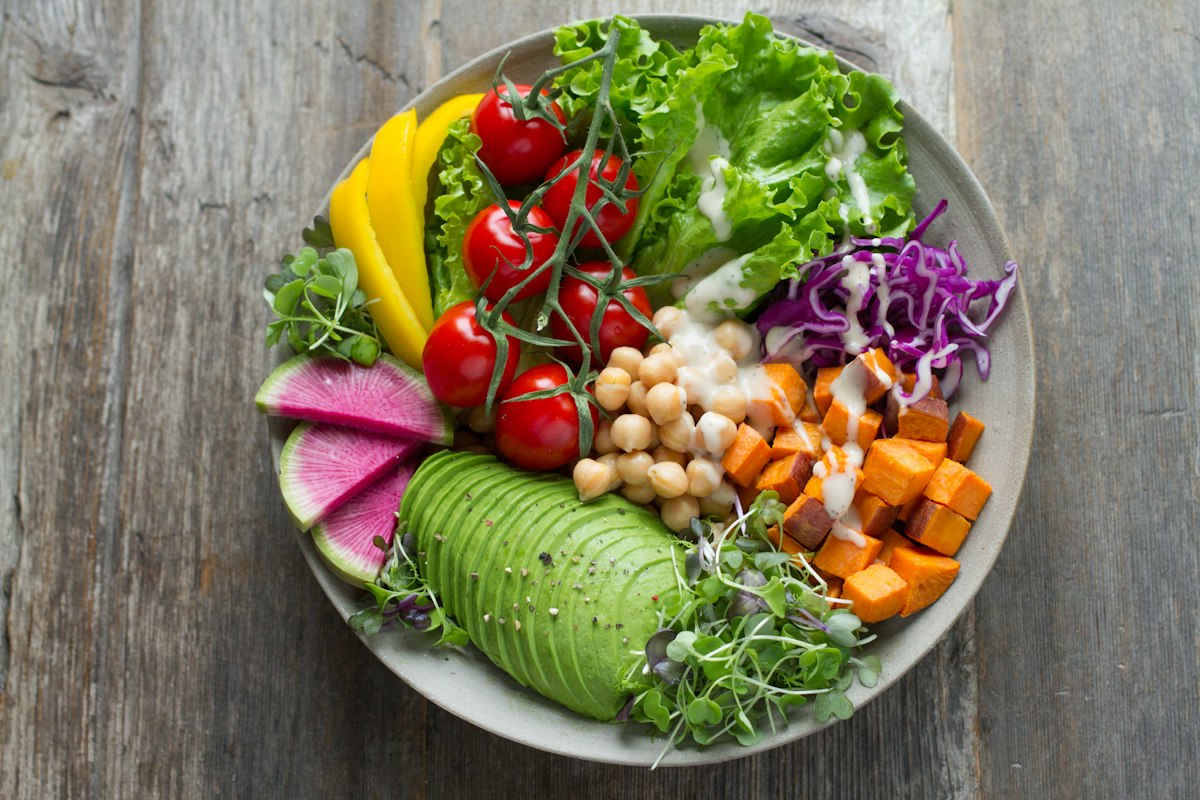
Food is the most powerful medicine available to your immune system. Every meal is either building your defenses or tearing them down. The nutrients below are scientifically proven to enhance immune function — and most are affordable and globally available.
| Nutrient | Key Food Sources | Immune Benefit |
|---|---|---|
| Vitamin C | Oranges, bell peppers, kiwi, guava, broccoli | Stimulates production of white blood cells; powerful antioxidant |
| Vitamin D | Sunlight, salmon, egg yolks, fortified milk | Activates T-cells; reduces risk of respiratory infections |
| Zinc | Pumpkin seeds, lentils, chickpeas, red meat, oysters | Essential for immune cell development and inflammatory response |
| Probiotics | Yogurt, kefir, kimchi, miso, sauerkraut | Strengthen gut microbiome — the hub of 70% of immune activity |
| Selenium | Brazil nuts, tuna, sunflower seeds, eggs | Boosts antioxidant defenses; supports thyroid-immune axis |
| Beta-Glucan | Oats, barley, mushrooms, algae | Activates macrophages and natural killer cells |
| Omega-3 Fatty Acids | Walnuts, flaxseed, chia seeds, sardines, mackerel | Reduces chronic inflammation that suppresses immunity |
| Vitamin A | Sweet potato, carrots, spinach, mango, liver | Maintains integrity of skin and mucosal barrier — first line of defense |
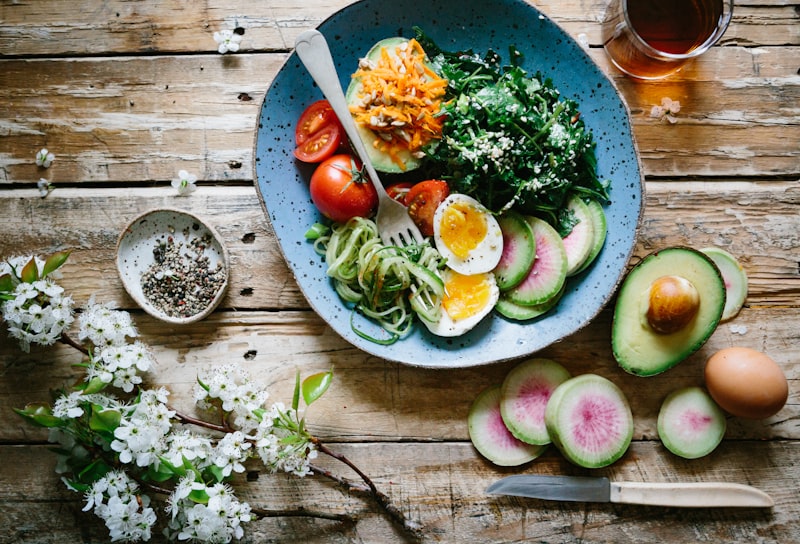
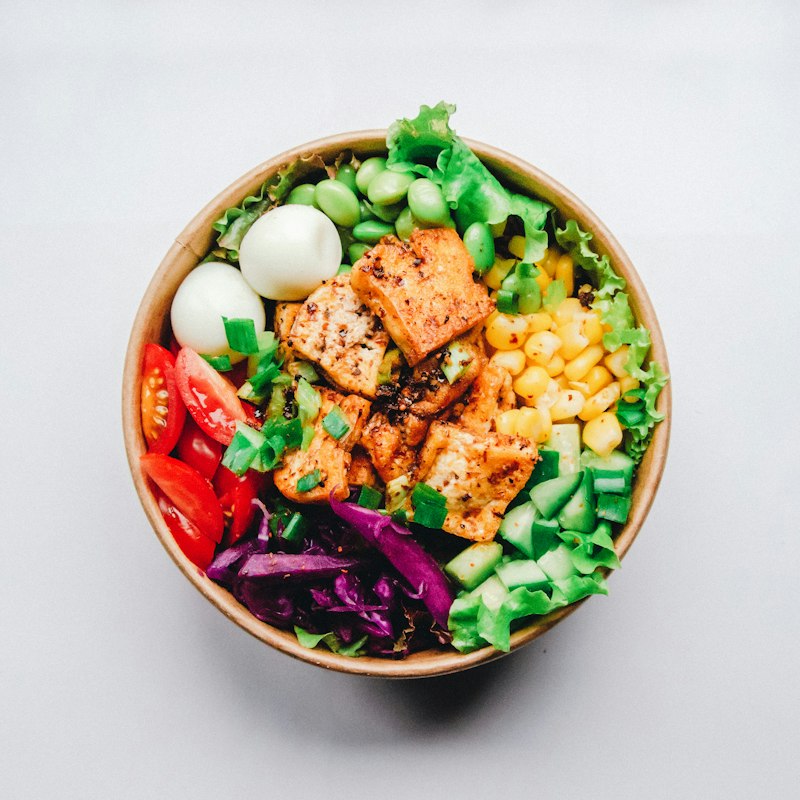
🥗 RAMSPROZONE Nutrition Tip
Aim for a "Rainbow Plate" — eating at least 5 different colors of vegetables and fruits each day ensures you cover the broadest spectrum of immune-supportive phytonutrients. The more diverse your diet, the more diverse and resilient your gut microbiome becomes.
Sleep: The #1 Underrated Immune Booster

Sleep is when your body performs its deepest immune maintenance. During deep sleep stages, your body releases cytokines — proteins that target infection and inflammation. Chronic sleep deprivation literally cripples this process, leaving you vulnerable to illness and slow recovery.
Research shows that people who sleep less than 6 hours per night are 4 times more likely to catch a cold compared to those who sleep 7 or more hours. Here's how to build a sleep routine that maximizes immune recovery:
Set a Consistent Sleep Schedule
Go to bed and wake up at the same time every day — even on weekends. This regulates your circadian rhythm, which directly controls the timing of immune cell release and function.
Make Your Bedroom a Sleep Sanctuary
Keep the room cool (16–19°C / 60–67°F), completely dark, and quiet. Use blackout curtains and remove electronic devices. Cooler temperatures trigger deeper, more restorative sleep cycles.
Eliminate Blue Light 90 Minutes Before Bed
Phones, tablets, and laptops emit blue light that suppresses melatonin — your sleep hormone. Switch to reading, stretching, or meditation in the final 90 minutes before sleep.
Limit Caffeine After 2 PM
Caffeine has a half-life of 5–7 hours. A coffee at 4 PM still leaves half its caffeine in your bloodstream at 9 PM — actively delaying the onset of deep sleep when immune repair happens most.
Prioritize 7–9 Hours of Sleep Nightly
Adults need 7–9 hours. Teenagers need 8–10 hours. This isn't a luxury — it is biological necessity. During those hours, your body produces T-cells, clears inflammatory debris, and consolidates immune memory.
Exercise & Movement: The Immune System's Daily Tune-Up

Moderate, consistent exercise is one of the most powerful tools for immune system maintenance. Physical activity increases circulation of immune cells, reduces systemic inflammation, improves lymphatic drainage, and enhances the body's surveillance against pathogens. The key word is moderate — while regular exercise boosts immunity, excessive high-intensity training without adequate recovery can temporarily suppress it.
- 30-Minute Daily Walks: Brisk walking 30 minutes per day increases NK (natural killer) cell activity by up to 50% — one of the most accessible and effective immune habits.
- Strength Training (2–3x per week): Resistance exercise stimulates the production of myokines — muscle-derived proteins with powerful anti-inflammatory and immune-regulating properties.
- Yoga & Stretching: Reduces cortisol (the stress hormone that suppresses immunity), improves lymphatic flow, and promotes deep, restorative sleep — all immune benefits in one practice.
- Swimming: A full-body workout that engages the lymphatic system, reduces inflammation, and is especially beneficial for people with joint issues who need lower-impact movement.
- Cycling: Studies show regular cyclists have immune profiles comparable to people 20–30 years younger — including higher levels of T-cells and lower inflammatory markers.
Stress Management: Silence the Immune System's Greatest Enemy

Chronic psychological stress is one of the most damaging forces your immune system faces. When you're stressed, your body releases cortisol and adrenaline — hormones that, in short bursts, are helpful, but in sustained elevated levels actively suppress white blood cell production, reduce antibody response, and increase susceptibility to infection by up to 3x.
The modern world produces chronic stress through work pressure, financial anxiety, social conflict, and digital overload. Here are proven strategies used globally to break the stress-immune suppression cycle:
Deep Breathing & Box Breathing
Inhale for 4 counts, hold for 4, exhale for 4, hold for 4. Just 5 minutes of this activates the parasympathetic nervous system — directly lowering cortisol and allowing immune cells to circulate freely.
Mindfulness Meditation
Studies show that 8 weeks of mindfulness meditation significantly increases antibody production in response to influenza vaccines and reduces markers of systemic inflammation. Even 10 minutes daily produces measurable benefits.
Nature Exposure (Forest Bathing)
Spending 2 hours in nature per week — proven in Japanese "Shinrin-yoku" research — increases NK cell activity for up to 30 days after exposure. Trees emit phytoncides (antimicrobial compounds) that humans absorb through breathing.
Social Connection & Laughter
Loneliness elevates inflammatory markers by the same degree as smoking 15 cigarettes per day. Strong social bonds and even laughter trigger the release of endorphins and neuropeptides that directly boost immunity.
Hydration: The Overlooked Pillar of Immune Health
Water is the medium through which every immune reaction in your body takes place. It transports nutrients to immune cells, carries waste products away, maintains the mucosal linings of your respiratory and digestive tracts (your first physical barriers against pathogens), and regulates body temperature during fever responses.
- Daily Target: 2.5–3.5 liters of fluids daily depending on your body weight, climate, and activity level. In hot regions (Middle East, South Asia, Africa), needs increase significantly.
- Start Your Day with Water: Drink 400–500ml of water first thing in the morning (before coffee) to rehydrate after 7–8 hours without fluids and kickstart lymphatic circulation.
- Herbal Teas Count: Ginger, green tea, chamomile, and elderberry teas all provide hydration PLUS immune-supporting polyphenols and antioxidants — double benefit.
- Limit Alcohol: Even moderate alcohol consumption disrupts gut microbiome balance, impairs cytokine signaling, and reduces the effectiveness of vaccines and immune responses to infection.
- Electrolytes Matter: Pure water alone isn't enough during illness or heavy sweating. Electrolytes (sodium, potassium, magnesium) maintain cellular hydration and immune cell function at the molecular level.
Your Complete Daily Immune-Boosting Routine

Immunity is not built in a single action — it is the cumulative result of daily choices made consistently over time. Here is the complete RAMSPROZONE immune-optimized daily schedule that you can adapt to any lifestyle or culture around the world:

| Time of Day | Habit | Immune Effect |
|---|---|---|
| 6:00–7:00 AM | Wake at consistent time, drink 500ml water with lemon | Rehydrates lymphatic system; Vitamin C activates immune cells |
| 7:00–7:30 AM | 10–20 min sunlight exposure (outdoors if possible) | Vitamin D synthesis; sets circadian rhythm for immune timing |
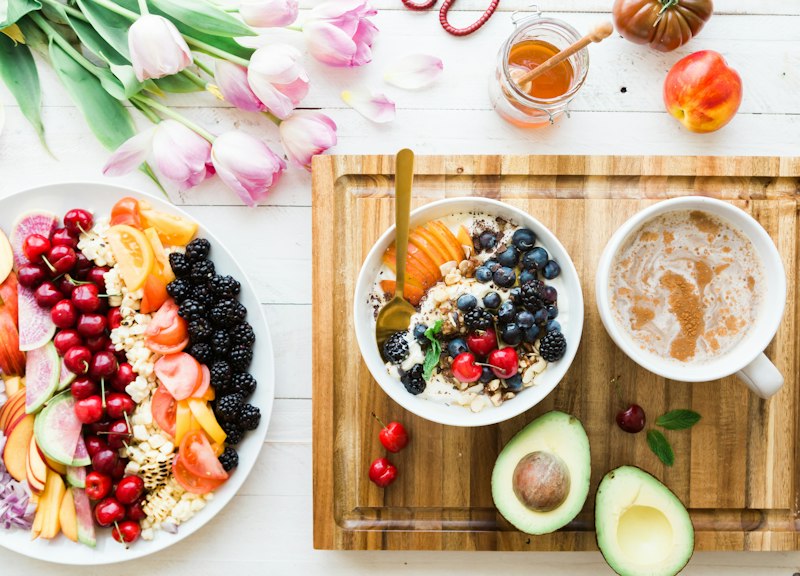
| 7:30–8:00 AM | Rainbow breakfast: oats, berries, seeds, eggs or yogurt | Beta-glucans, probiotics, zinc, selenium all in one meal |
| 9:00–9:10 AM | 10-minute breathing/mindfulness practice | Lowers cortisol; activates parasympathetic immune enhancement |
| 12:30 PM | Colorful lunch: leafy greens, legumes, lean protein | Iron, folate, and amino acids for immune cell synthesis |
| 3:00–5:00 PM | 30–45 min moderate exercise (walk, cycle, swim, gym) | NK cell activity surge; lymphatic drainage boost |
| 7:00 PM | Light dinner: avoid heavy processed foods | Prevents inflammatory gut disruption overnight |
| 8:30 PM | Screen-free wind-down: read, stretch, herbal tea | Melatonin rises naturally; deep sleep immune repair begins |
| 10:00–10:30 PM | Sleep (7–9 hours in dark, cool room) | Cytokine production peaks; T-cell renewal; immune memory consolidation |
Immune-Supportive Supplements: What Science Actually Says
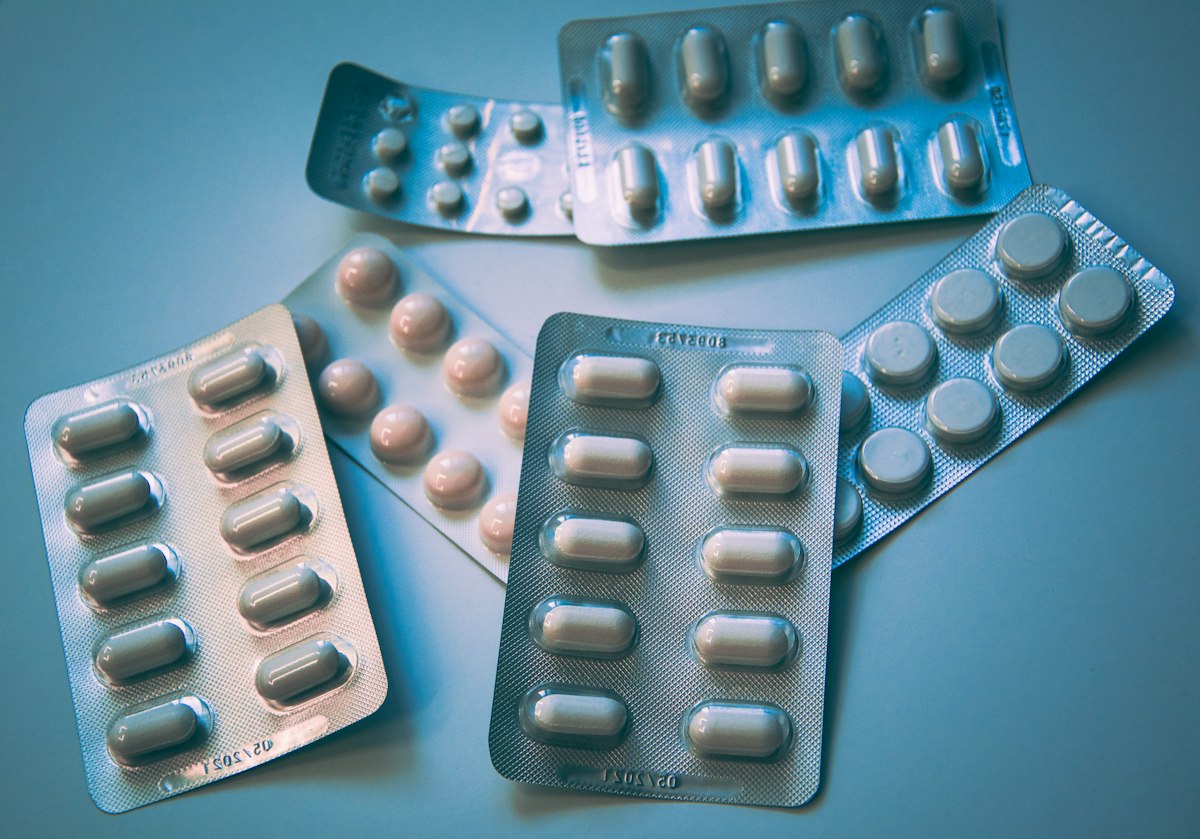
While food should always be your primary source of immune nutrients, certain supplements have strong scientific evidence behind them. Always consult a healthcare professional before starting any supplement, especially if you have underlying health conditions or are on medication.
- Vitamin D3 (1,000–4,000 IU/day): Most effective immune supplement for people with deficiency (extremely common globally, especially in people with darker skin or limited sun exposure). Deficiency is linked to higher rates of respiratory infections.
- Zinc (15–30mg/day during illness): Proven to reduce duration of cold symptoms by up to 33% when taken within 24 hours of symptom onset.
- Elderberry (Sambucus nigra): Multiple studies show elderberry extract reduces flu duration and severity by 2–4 days. Rich in anthocyanins that inhibit viral replication.
- Probiotics (Lactobacillus & Bifidobacterium strains): Clinically proven to reduce frequency of upper respiratory tract infections, especially in children and older adults.
- Vitamin C (500–1,000mg/day): Reduces duration of colds and supports production of white blood cells. Most effective when taken consistently, not just during illness.
- Ashwagandha (Withania somnifera): An adaptogenic herb with strong clinical evidence for reducing cortisol by 27–30%, directly improving immune function in chronically stressed individuals.
Global Wellness Traditions That Boost Immunity

Cultures around the world have developed immune-supporting traditions over thousands of years — many of which are now validated by modern science. RAMSPROZONE celebrates the wisdom of all cultures in building health and resilience:
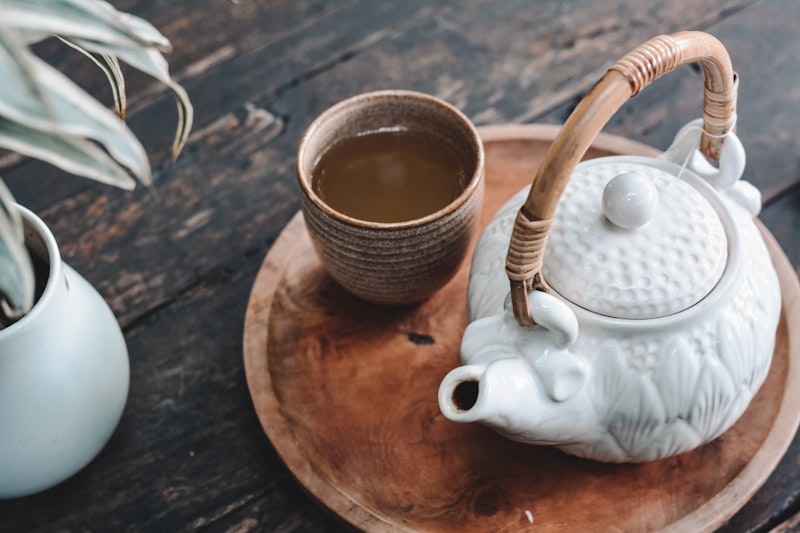

- Ayurveda (India): Turmeric (curcumin), ashwagandha, and tulsi (holy basil) teas are daily immune staples. Curcumin is one of the most studied anti-inflammatory compounds in the world.
- Traditional Chinese Medicine: Astragalus root (Huang Qi), reishi mushrooms, and ginger have been used for 2,000 years — all now shown to enhance NK cell and macrophage activity.
- Japanese Practices: Forest bathing (Shinrin-yoku) and green tea consumption (rich in EGCG catechins) are central to Japan's remarkably high longevity and low chronic disease rates.
- Mediterranean Diet: Olive oil (oleocanthal), garlic, wild herbs like oregano and thyme, and abundant vegetables — collectively reduce inflammatory markers and enhance immune surveillance.
- African & Middle Eastern Traditions: Black seed (Nigella sativa / Habbatus Sauda) oil — referenced as a remedy for everything except death in Islamic tradition — contains thymoquinone, a potent immunomodulatory compound.
- Nordic Cold Therapy: Sauna followed by cold exposure (practiced across Scandinavia and Finland) powerfully stimulates immune cell mobilization, lymphatic drainage, and norepinephrine production.
Immune-Sabotaging Habits to Stop Immediately

Building immunity isn't just about what you add — it's equally about what you remove. The following habits are clinically proven to suppress immune function and must be minimized or eliminated for lasting wellness:
- Ultra-Processed Foods & Excess Sugar: High-sugar diets feed harmful gut bacteria, reduce phagocytic immune cell activity for hours after consumption, and drive chronic low-grade inflammation — the root of most chronic disease.
- Chronic Sleep Deprivation: Even two consecutive nights of poor sleep significantly reduces NK cell activity and antibody response to vaccines and infections.
- Smoking & Vaping: Damages cilia (the hair-like filters of your respiratory tract), disrupts mucosal immunity, increases oxidative stress, and suppresses NK cell and T-cell function.
- Sedentary Lifestyle: Sitting for more than 8 hours per day is independently associated with higher inflammatory markers, reduced lymphatic circulation, and weakened immune surveillance.
- Antibiotic Overuse: Antibiotics wipe out beneficial gut bacteria alongside harmful ones — dramatically disrupting the gut microbiome's 70% contribution to immune regulation. Never take antibiotics for viral infections.
- Social Isolation & Loneliness: Chronic loneliness upregulates pro-inflammatory gene expression, reduces antiviral immune response, and is associated with significantly higher rates of infection and cancer.
🌿 RAMSPROZONE Final Message: Health is a Daily Practice
Your immune system is not a product you buy — it is a system you build, day by day, choice by choice. Whether you're in Asia, Africa, Europe, the Americas, or the Middle East, the principles are universal: sleep deeply, eat colorfully, move regularly, breathe intentionally, connect genuinely, and hydrate consistently. Begin with one habit today. Then another tomorrow. Small, consistent actions compound into extraordinary health over time. Your immune system is listening to every decision you make.


0 Comments