

Photo: Unsplash.com — Free to use under the Unsplash License
Intermittent fasting (IF) has become one of the most searched health strategies worldwide — and for good reason. Unlike traditional diets that tell you what to eat, IF focuses on when you eat. The approach is flexible, backed by robust scientific research, and accessible for nearly everyone regardless of location, budget, or lifestyle.
This beginner's guide to intermittent fasting breaks down every major method, the proven health benefits, how to structure your first week, what to eat during your eating window, and common mistakes to avoid. Whether your goal is weight loss, better metabolic health, or simply a cleaner relationship with food, this guide gives you a clear, step-by-step roadmap.
💡 Quick Definition
Intermittent fasting is an eating pattern that cycles between periods of fasting and eating. It does not prescribe specific foods — it prescribes specific timing windows. The fasting period allows insulin levels to drop, which signals the body to burn stored fat for energy.
What Is Intermittent Fasting? Science Explained Simply
At its core, intermittent fasting works by manipulating your body's metabolic state. When you eat, your body breaks carbohydrates into glucose, raising blood sugar and triggering insulin release. Insulin shuttles glucose into cells for energy — and stores the excess as fat. When you fast, insulin drops and your body must turn to stored glycogen and then body fat for fuel.
After approximately 12–16 hours of fasting, a powerful process called autophagy is activated. Autophagy is your body's cellular clean-up mechanism — it breaks down and recycles damaged proteins and organelles. Research published in the New England Journal of Medicine links autophagy activation to improved longevity, reduced inflammation, and protection against neurodegenerative diseases.
Key Hormonal Changes During a Fast
| Hormone / Marker | Change During Fasting | Effect on Body |
|---|---|---|
| Insulin | Drops significantly | Enables fat burning, improves insulin sensitivity |
| Human Growth Hormone (HGH) | Increases up to 5× | Promotes muscle preservation and fat loss |
| Norepinephrine | Increases | Boosts metabolism and breaks down body fat |
| Glucagon | Increases | Signals liver to release glucose from glycogen |
| Cortisol | Mildly increases (short-term) | Mobilises energy; normalises with adaptation |
Photo: Unsplash.com — Free to use under the Unsplash License
The 5 Most Popular Intermittent Fasting Methods Compared
There is no single "best" intermittent fasting method. The right choice depends on your lifestyle, schedule, health goals, and how your body responds to fasting. Below is a clear comparison of the five most widely used approaches.
| Method | Fasting Window | Eating Window | Difficulty | Best For |
|---|---|---|---|---|
| 16:8 | 16 hours | 8 hours | ⭐⭐ Easy | Beginners, daily practice |
| 18:6 | 18 hours | 6 hours | ⭐⭐⭐ Moderate | Intermediate fasters |
| 5:2 Diet | 2 days (500–600 kcal) | 5 normal days | ⭐⭐⭐ Moderate | Flexible schedulers |
| OMAD | 23 hours | 1 hour | ⭐⭐⭐⭐⭐ Hard | Experienced fasters |
| Alternate Day | Every other day | Every other day | ⭐⭐⭐⭐ Hard | Aggressive fat loss goals |
16:8 — The Best Intermittent Fasting Method for Beginners
The 16:8 method (also called the Leangains protocol) is the most popular entry point. You fast for 16 consecutive hours — which typically includes your sleep time — and eat within an 8-hour window. A common schedule is eating between 12:00 PM and 8:00 PM, skipping breakfast, and drinking only water, black coffee, or plain tea in the morning.
5:2 — The Flexible Beginner Alternative
On the 5:2 protocol, you eat normally for five days of the week and restrict calories to approximately 500–600 kcal on two non-consecutive days (e.g., Monday and Thursday). This approach suits people who find daily time-restricted eating difficult to sustain.

Photo: Unsplash.com — Free to use under the Unsplash License
Proven Benefits of Intermittent Fasting
The evidence base for intermittent fasting has grown substantially over the past decade. Here are the most well-supported benefits, drawn from peer-reviewed human studies:
1. Effective Weight and Body Fat Loss
A 2020 systematic review published in Obesity Reviews analysed 27 trials and found that IF reduced body weight by 0.8% to 13% over study periods ranging from 2 to 104 weeks. Crucially, IF was shown to preferentially reduce visceral fat — the dangerous fat surrounding internal organs — more effectively than standard calorie restriction in several trials.
2. Improved Insulin Sensitivity
Fasting reduces fasting blood glucose and insulin levels, improving the body's sensitivity to insulin. This is particularly significant for individuals with prediabetes or metabolic syndrome. Studies show reductions in fasting insulin of 20–31% in people following IF protocols for 8–24 weeks.
3. Cardiovascular Health Improvements
Research shows IF can reduce LDL cholesterol, triglycerides, blood pressure, and inflammatory markers — all major risk factors for heart disease. A 2019 study found that participants following a 16:8 protocol for 12 weeks reduced systolic blood pressure by an average of 7 mmHg without any change in medication.
4. Cellular Repair via Autophagy
Extended fasting windows (16+ hours) trigger autophagy — the cellular recycling process that removes damaged proteins and dysfunctional organelles. This process is linked to protection against cancer, Alzheimer's disease, Parkinson's disease, and general cellular ageing.
🔬 Research Highlight
The 2016 Nobel Prize in Physiology or Medicine was awarded to Yoshinori Ohsumi for his discoveries of the mechanisms of autophagy — the same cellular process activated by intermittent fasting. This legitimised fasting as a scientifically serious health intervention.
5. Brain Health and Mental Clarity
Many IF practitioners report improved mental clarity and focus during the fasting window. Scientifically, fasting increases the production of brain-derived neurotrophic factor (BDNF), a protein that supports neuron growth and protects against depression and cognitive decline.

Photo: Unsplash.com — Free to use under the Unsplash License
How to Start Intermittent Fasting: A 4-Week Step-by-Step Plan
Starting intermittent fasting abruptly can lead to discomfort, fatigue, and early abandonment. This phased approach eases your body into fasting progressively, maximising adherence and long-term success.
-
1Week 1 — The 12:12 Warm-Up (12h Fast / 12h Eating) Eat between 8:00 AM and 8:00 PM. Stop eating after 8 PM. This is often how most people already eat — making it an easy psychological and physiological starting point. Focus on eliminating late-night snacking. Drink water, herbal tea, or black coffee during fasting hours.
-
2Week 2 — Extend to 14:10 (14h Fast / 10h Eating) Push breakfast back by one hour (to 9 AM) and end eating by 7 PM. At this stage, your body begins efficiently switching to fat as a fuel source during the fasting window. You may notice mild hunger in the mornings — this is normal and subsides within days.
-
3Week 3 — Move to the Standard 16:8 Protocol Eat your first meal at noon and your last meal by 8 PM. This is the classic 16:8 method. Your body is now fully adapted to fat-burning during the morning fast. Hunger during the fasting window should be minimal. This is the most sustainable long-term approach for the majority of beginners.
-
4Week 4 — Optimise Your Eating Window Focus on food quality within your eating window. Prioritise protein (1.6–2g per kg of body weight), fibre-rich vegetables, healthy fats, and complex carbohydrates. Evaluate how you feel and decide whether to maintain 16:8 or experiment with 18:6 for accelerated results.
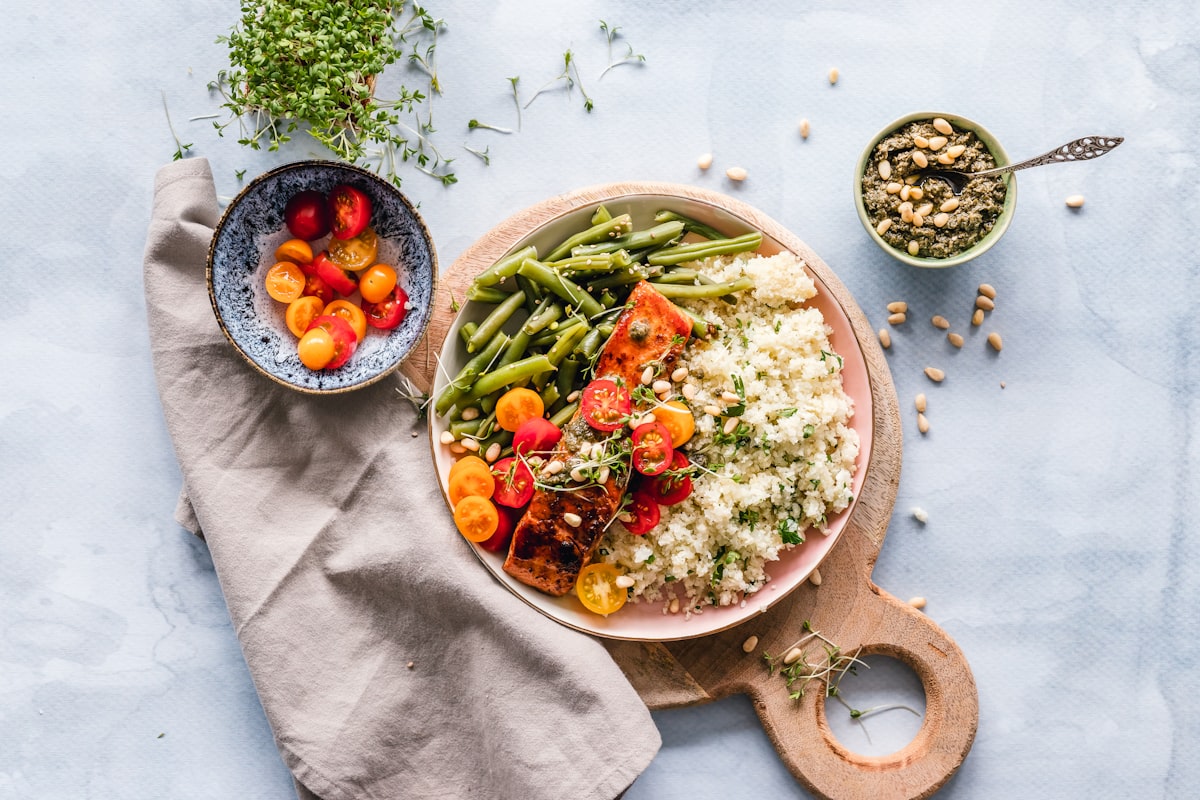
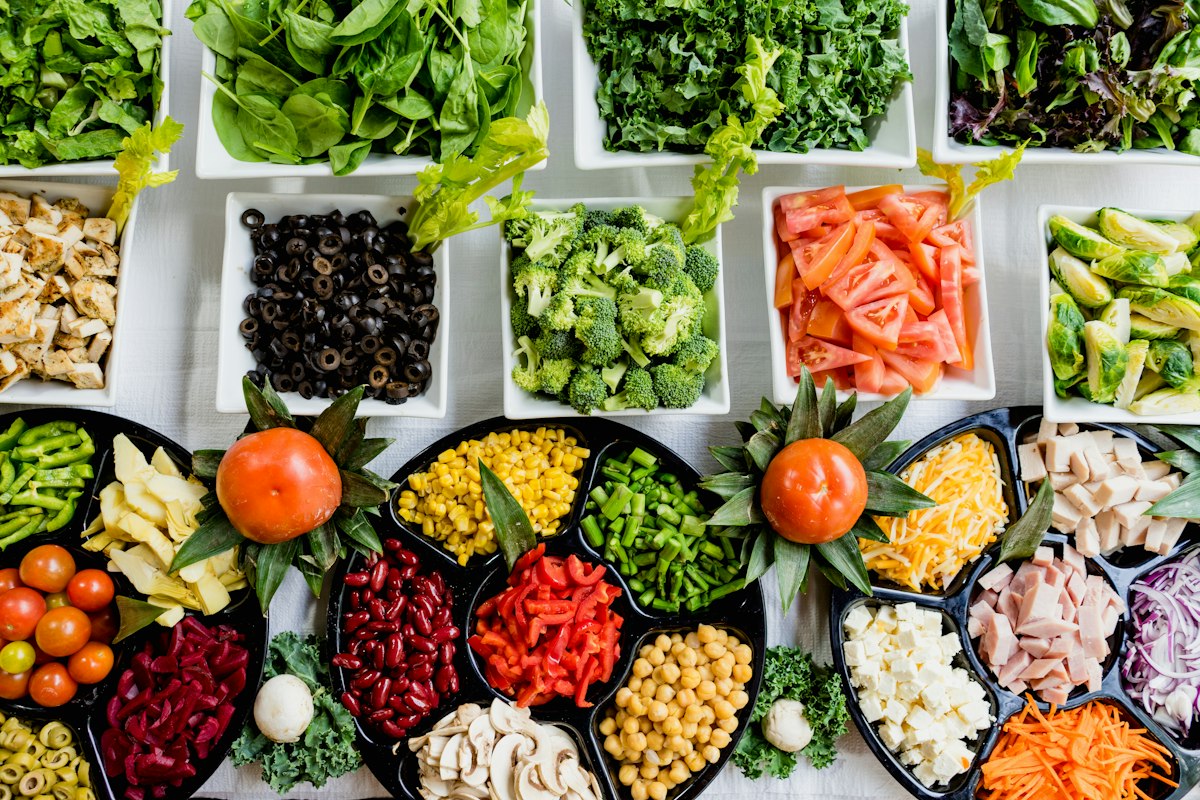
Photo: Unsplash.com — Free to use under the Unsplash License
What to Eat During Your Eating Window
Intermittent fasting is not a licence to eat anything. The quality of food consumed during your eating window significantly influences the results you achieve. The following framework is recommended by nutrition scientists for IF practitioners.
Best Foods for Intermittent Fasting
| Food Category | Examples | Why It Matters |
|---|---|---|
| Lean Protein | Chicken breast, eggs, Greek yogurt, tofu, lentils | Preserves muscle mass during calorie deficit; high satiety |
| Non-starchy Vegetables | Broccoli, spinach, kale, cucumber, zucchini | High fibre, low calorie; feeds gut microbiome |
| Healthy Fats | Avocado, olive oil, nuts, seeds, fatty fish | Slow digestion; supports hormones; reduces inflammation |
| Complex Carbohydrates | Sweet potato, oats, quinoa, brown rice | Sustained energy; fibre supports blood sugar stability |
| Fermented Foods | Kefir, kimchi, sauerkraut, miso | Supports gut microbiome diversity |
What to Drink During the Fasting Window
Staying hydrated is critical during fasting hours. The following drinks are considered "fasting safe" — meaning they will not significantly raise insulin or break your fast:
- ✔ Water (still or sparkling, no sweeteners)
- ✔ Black coffee (no milk, sugar, or cream)
- ✔ Plain herbal or green tea
- ✔ Electrolyte water (no sweeteners or calories)
- ✘ Milk, juice, smoothies, diet sodas (break the fast or spike insulin)

Photo: Unsplash.com — Free to use under the Unsplash License
Common Intermittent Fasting Mistakes Beginners Make
⚠️ Important: Many beginners see slow results or quit IF within weeks because of avoidable mistakes. Understanding these pitfalls before you begin dramatically improves your chances of long-term success.
Mistake 1 — Overeating During the Eating Window
IF is not a calorie-free pass. If you consume significantly more calories than your body needs during the eating window, fat loss will stall or reverse. Aim for a moderate calorie deficit of 300–500 kcal below your TDEE (Total Daily Energy Expenditure).
Mistake 2 — Eating Poor-Quality Food
Ultra-processed foods, refined carbohydrates, and excess sugar spike insulin sharply — the opposite of what IF is designed to achieve. Eating a McDonald's meal as your one daily meal while fasting 16 hours will produce minimal benefit.
Mistake 3 — Not Drinking Enough Water
During fasting, your body excretes more water and electrolytes. Dehydration during the fasting window is a leading cause of headaches, fatigue, and brain fog — symptoms often incorrectly attributed to fasting itself. Aim for 2.5–3 litres of water daily.
Mistake 4 — Starting Too Aggressively
Jumping straight to 18:6 or OMAD without adaptation leads to extreme hunger, poor concentration, and fast abandonment. The 4-week phased plan above is specifically designed to prevent this.
Mistake 5 — Not Adjusting Around Exercise
Intense strength training while in a fasted state can impair performance and muscle recovery. For beginners, schedule high-intensity workouts towards the end of the fasting window (so you can eat shortly after) or within the eating window. Low-intensity cardio — like walking — is effective and safe in the fasted state.


Photo: Unsplash.com — Free to use under the Unsplash License
Who Should NOT Do Intermittent Fasting
⚠️ Medical Disclaimer: Always consult a qualified healthcare provider before starting intermittent fasting, particularly if you have any existing medical conditions or are taking prescription medications.
Intermittent fasting is not appropriate for everyone. The following groups should avoid or carefully modify IF under medical supervision:
- Pregnant or breastfeeding women
- Children and adolescents under 18
- People with a history of eating disorders (anorexia, bulimia, binge eating disorder)
- Individuals with Type 1 diabetes or insulin-dependent Type 2 diabetes
- People who are underweight (BMI below 18.5)
- Those on medications that must be taken with food
- Individuals with adrenal fatigue or severe hormonal imbalances
Frequently Asked Questions About Intermittent Fasting
Final Thoughts: Is Intermittent Fasting Right for You?
Intermittent fasting is not a fad diet — it is a scientifically validated eating framework with measurable benefits for weight management, metabolic health, cardiovascular health, and cellular longevity. The key advantages over traditional diets are its simplicity, flexibility, and the fact that it works with your body's natural hormonal rhythms rather than against them.
For most healthy adults, starting with the 16:8 method using the 4-week phased plan outlined above is the most sustainable and effective approach. Pair it with adequate protein intake, whole foods, sufficient hydration, and regular physical activity — and you have a complete, evidence-based health strategy that requires no expensive supplements or special food purchases.
🚀 Your Action Plan
This week: Start with 12:12. Stop eating after 8 PM tonight. Next week: Push your first meal to 10 AM (14:10). Week 3: Move to a 12 PM first meal — the standard 16:8. Track how you feel each week in a journal and adjust based on your energy, hunger, and results.

Photo: Unsplash.com — Free to use under the Unsplash License
Have questions about starting intermittent fasting? Drop them in the comments below. For more expert guides on health, nutrition, and wellness, explore more posts on RamsProZone.


0 Comments