

Photo: ramsprozone
Your immune system is not a single organ. It is a sophisticated, whole-body defence network involving hundreds of billions of cells, dozens of organs, and a complex signalling cascade that operates every second of your life. When it functions optimally, you recover faster from infections, face lower cancer risk, and experience less chronic inflammation. When it underperforms, you become vulnerable to pathogens, fatigue, and long-term disease.
The global wellness industry is flooded with shortcuts promising "supercharged immunity overnight." This guide cuts through the noise. Every strategy below is grounded in peer-reviewed research and applies across ethnicities, climates, and age groups — from a 25-year-old office worker in Lagos to a 60-year-old retiree in Oslo. Read on for a complete, actionable blueprint.
Understanding How Your Immune System Works
Before optimising any system, you must understand its components. The immune system operates in two interconnected layers:
Innate Immunity: Your First Responder
Innate immunity is the rapid, non-specific response that activates within minutes of detecting a threat — a pathogen, toxin, or damaged cell. Key players include natural killer (NK) cells, macrophages, neutrophils, and the complement system. This layer is largely determined by genetics but is heavily influenced by lifestyle choices including sleep and nutrition.
Adaptive Immunity: Your Smart Defence
Adaptive immunity develops over days and involves T-cells and B-cells that learn to recognise specific pathogens. This is where vaccines operate, and where long-term immunological memory lives. Supporting adaptive immunity requires consistent, long-term lifestyle habits — not weekend "detoxes."
The goal of natural immune support is to ensure both layers are well-resourced: adequate raw materials (micronutrients), optimal conditions (sleep, low stress), and effective communication (a healthy gut microbiome).
The Best Foods to Naturally Strengthen Your Immune System
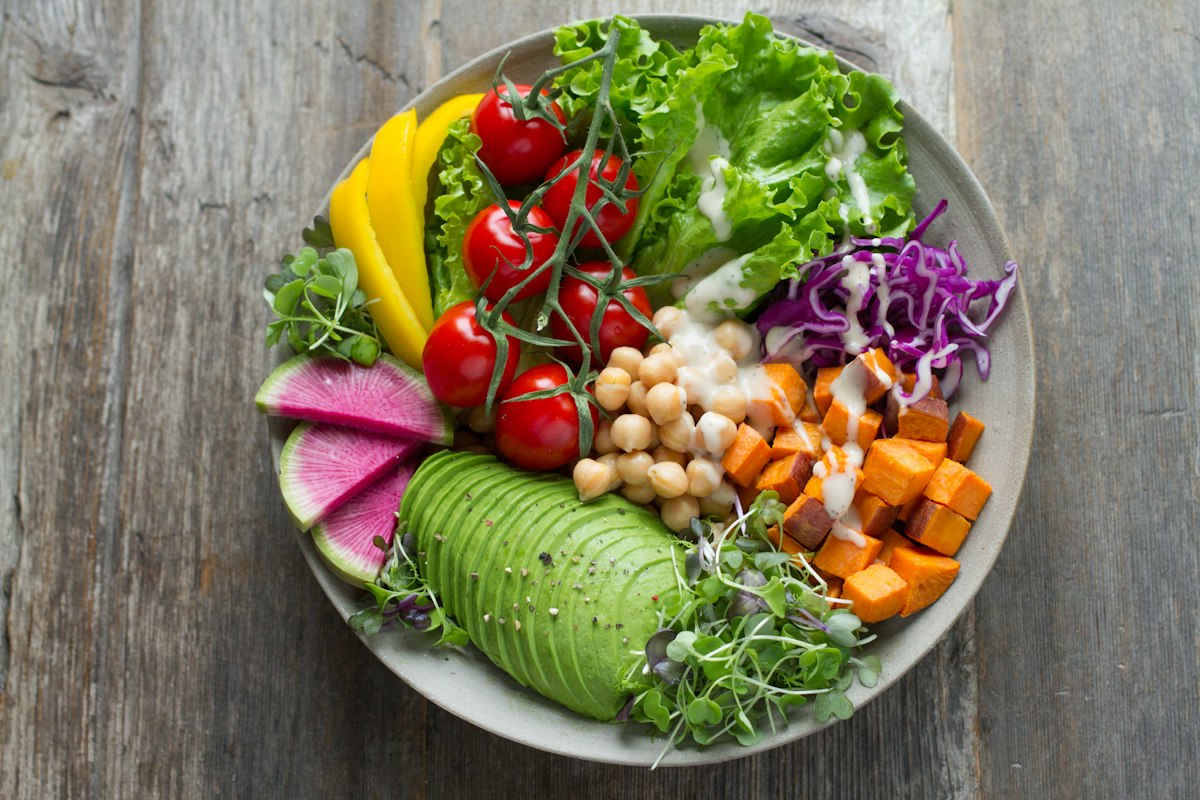
Photo: Unsplash.com — Anna Pelzer
Diet is the foundation of immune health. Specific micronutrients act as cofactors in immune signalling, antioxidant defence, and cellular repair. A deficiency in even one can compromise the entire network.
Key Immune-Boosting Nutrients and Their Food Sources
| Nutrient | Immune Role | Top Food Sources | Daily Target (Adults) |
|---|---|---|---|
| Vitamin C | Stimulates production and function of white blood cells; powerful antioxidant | Bell peppers, kiwi, citrus, guava, broccoli | 65–90 mg (up to 2,000 mg safe upper limit) |
| Vitamin D | Modulates innate and adaptive responses; anti-inflammatory | Fatty fish, egg yolks, fortified dairy, sunlight | 600–800 IU (many experts suggest 1,000–2,000 IU) |
| Zinc | Required for T-cell development and antibody production | Oysters, beef, pumpkin seeds, lentils, hemp seeds | 8 mg (women) / 11 mg (men) |
| Vitamin E | Antioxidant; enhances NK cell activity | Almonds, sunflower seeds, avocado, spinach | 15 mg |
| Selenium | Supports antioxidant enzymes; reduces viral virulence | Brazil nuts (2/day = full dose), tuna, eggs | 55 mcg |
| Beta-Glucans | Activates macrophages and NK cells via gut receptors | Oats, barley, shiitake mushrooms, reishi | 3–6 g |
| Probiotics | Maintain gut microbiome balance; strengthen gut-immune barrier | Yoghurt, kefir, kimchi, sauerkraut, miso, tempeh | Aim for variety daily |
Anti-Inflammatory Eating Patterns That Support Immunity
Beyond individual nutrients, overall dietary patterns matter enormously. The Mediterranean diet — emphasising whole grains, legumes, olive oil, fatty fish, and abundant vegetables — consistently shows the strongest association with lower inflammatory markers and better immune resilience in large-scale cohort studies. Similarly, traditional diets from Japan, Okinawa, and parts of sub-Saharan Africa that feature fermented foods and fibre-rich staples are associated with robust gut microbiomes and reduced immune dysregulation.
How Sleep Dramatically Affects Natural Immunity
Sleep is arguably the single most powerful immune intervention available — and it costs nothing. During deep sleep (NREM stages 3 and 4), the body releases growth hormone, consolidates immunological memory, and produces cytokines — signalling proteins that coordinate the immune response. Chronic sleep deprivation suppresses T-cell activity, reduces vaccine efficacy, and triples your susceptibility to the common cold.
Evidence-Based Sleep Optimisation for Immune Health
- Target 7–9 hours per night consistently — weekend "catch-up" sleep does not fully reverse weekday deficit.
- Maintain a consistent sleep-wake schedule even on weekends, to stabilise your circadian rhythm — which directly regulates immune gene expression.
- Keep your bedroom cool (16–19°C / 61–67°F) — core body temperature drop is the trigger for melatonin release and immune repair mode.
- Eliminate blue light 90 minutes before bed — screens suppress melatonin by up to 50%, reducing immune-critical sleep depth.
- Limit caffeine after 2 PM — its half-life of 5–6 hours measurably reduces deep sleep even when you fall asleep easily.
Exercise and Immunity: The Optimal Dose


Photo: Unsplash.com — Karsten Winegeart / Anupam Mahapatra
Physical activity is a potent immune modulator, but the relationship follows an inverted-U curve. Too little exercise leaves the immune system under-stimulated; too much (overtraining) can temporarily suppress it by elevating cortisol and reducing secretory IgA (the antibody that lines mucous membranes).
The Immune-Optimal Exercise Framework
Research from exercise immunology identifies the following as optimal for natural immunity enhancement:
- 150–300 minutes of moderate aerobic activity per week — brisk walking, cycling, swimming, or dancing at 55–70% of maximum heart rate.
- 2 strength training sessions per week — resistance exercise increases muscle mass, which serves as an amino acid reservoir for immune cell production.
- Daily low-intensity movement — standing, walking, or light yoga between sedentary periods reduces inflammatory markers independently of formal exercise.
- Outdoor exercise where possible — sunlight exposure during exercise provides Vitamin D synthesis and boosts serotonin, both of which support immune regulation.
Stress Management: The Hidden Immune Destroyer
Cortisol — the primary stress hormone — has potent immunosuppressive effects when chronically elevated. It reduces lymphocyte production, impairs NK cell cytotoxicity, decreases secretory IgA, and dysregulates the cytokine balance toward chronic low-grade inflammation. In short, unmanaged chronic stress is one of the most reliable ways to make yourself sick.
Scientifically Validated Stress Reduction Techniques
| Technique | Evidence Level | Key Immune Benefit | Minimum Dose for Effect |
|---|---|---|---|
| Mindfulness Meditation | Strong (multiple RCTs) | Reduces IL-6 and CRP; increases telomerase activity | 10–20 min daily, 8 weeks |
| Diaphragmatic Breathing | Moderate-Strong | Activates parasympathetic nervous system; lowers cortisol acutely | 4–7–8 breathing, 3× daily |
| Nature Exposure (Forest Bathing) | Moderate (Japanese research) | Increases NK cell count and activity for up to 7 days | 120 min in green space weekly |
| Social Connection | Strong (longitudinal data) | Higher oxytocin; lower inflammatory markers; longer telomeres | Regular meaningful interaction |
| Journalling / Expressive Writing | Moderate | Reduces rumination; improves antibody response to vaccination | 15–20 min, 3–4 days/week |
Best Natural Supplements for Immune System Support
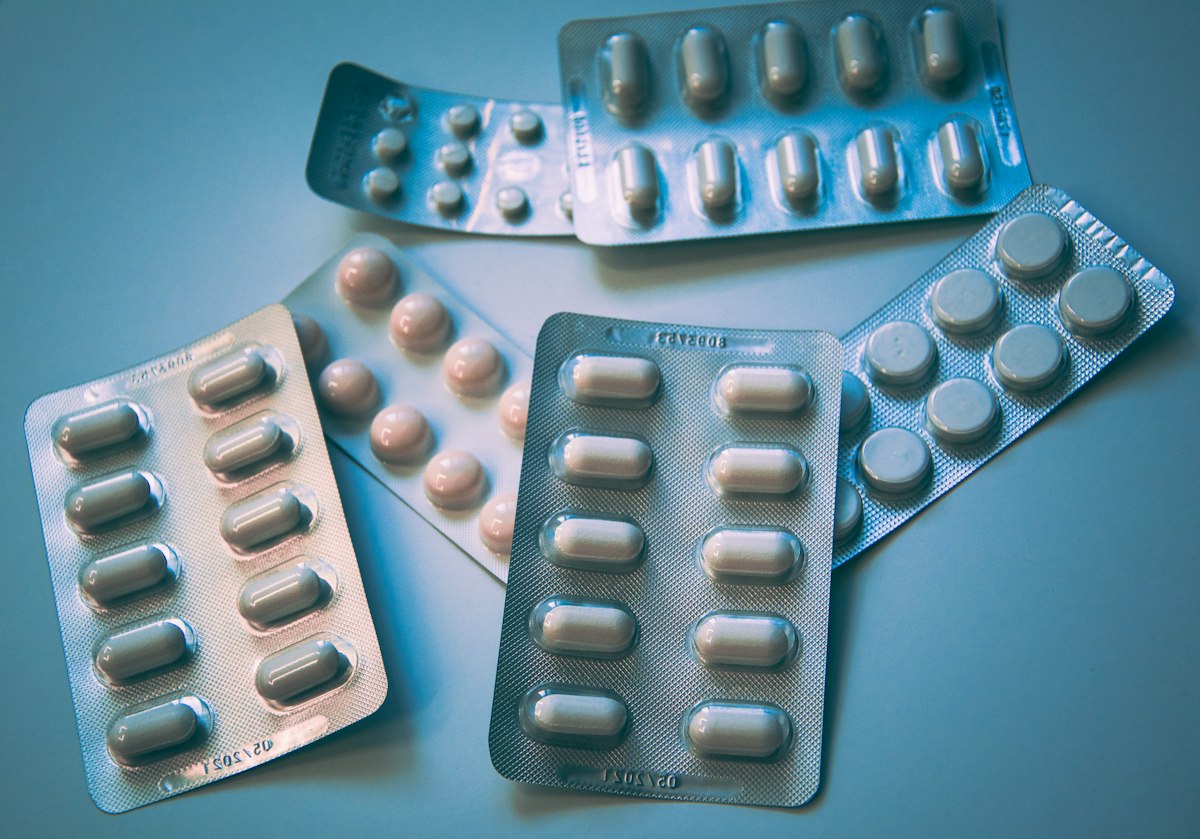
Photo: Unsplash.com — Unsplash
Supplements should augment a solid lifestyle foundation — not replace it. The following have the strongest evidence base for immune support and are safe for most adults:
Tier 1: Well-Evidenced Supplements
- Vitamin D3 (1,000–2,000 IU daily) — essential for most people in northern latitudes or those with limited sun exposure. Test serum 25(OH)D levels first for precision dosing.
- Zinc (as zinc picolinate or gluconate, 15–30 mg) — particularly effective at reducing cold duration when started within 24 hours of symptom onset.
- Vitamin C (500–1,000 mg daily) — most beneficial for people under high physical stress; reduces cold duration by 8% in adults.
- Probiotics (multi-strain, ≥10 billion CFU) — strains Lactobacillus rhamnosus GG and Bifidobacterium lactis have the strongest evidence for reducing respiratory infection frequency.
Tier 2: Promising Herbal and Functional Supplements
- Elderberry (Sambucus nigra) — several meta-analyses show significant reduction in cold and flu duration and severity.
- Echinacea — modest evidence for reducing upper respiratory infection incidence; most effective as short-term prevention.
- Medicinal Mushrooms (Reishi, Lion's Mane, Turkey Tail) — beta-glucan content modulates macrophage and NK cell activity; growing evidence base.
- Ashwagandha (KSM-66 extract, 300–600 mg) — adaptogen that measurably reduces cortisol; several RCTs show improved NK cell activity.
- Quercetin (500 mg with Vitamin C) — zinc ionophore that enhances zinc uptake into cells; antiviral properties in laboratory studies.
Step-by-Step 4-Phase Plan to Naturally Boost Immunity Long-Term
Real immune strengthening is a compounding process, not a quick fix. Use this structured phased approach to build sustainable immune resilience over 90 days:
-
1
Phase 1 — Foundation (Weeks 1–2): Eliminate the Suppressors
Remove ultra-processed foods, refined sugar, and excessive alcohol from your diet. Establish a consistent sleep schedule (same bedtime and wake time, 7+ hours). Begin a 10-minute daily walk after meals. These baseline removals and additions have the highest return-on-effort of any immune intervention.
-
2
Phase 2 — Nutrition Build (Weeks 3–5): Load the Immune Toolkit
Introduce a full-colour whole-food diet: 5–9 servings of fruits and vegetables daily, 30+ different plant foods per week for microbiome diversity, daily fermented food (yoghurt, kefir, or kimchi), and fatty fish twice per week. Begin a Vitamin D3 supplement with a meal containing fat for absorption.
-
3
Phase 3 — Stress and Exercise Integration (Weeks 6–9): Regulate the Nervous System
Scale exercise to 150+ minutes of moderate cardio plus 2 strength sessions weekly. Implement a daily stress practice: 10 minutes of meditation or breathwork each morning. Spend at least 2 hours outdoors weekly. Start a zinc supplement if your diet is plant-heavy (plant zinc has lower bioavailability). Add a multi-strain probiotic.
-
4
Phase 4 — Optimisation (Weeks 10–12): Personalise and Test
Request blood work including 25(OH)D, ferritin, full blood count, and CRP (inflammatory marker). Adjust supplementation based on results. Consider advanced functional add-ons based on lifestyle — elderberry for frequent travellers, ashwagandha for high-stress professionals, medicinal mushroom extracts for long-term immune modulation. Evaluate your sleep quality using a wearable or sleep diary and address any remaining gaps.
Hydration, Alcohol, Smoking and Their Impact on Immunity

Photo: Unsplash.com — Unsplash
Hydration
Water is the medium in which all immune activity takes place. Lymph — the fluid that transports immune cells throughout the body — is 96% water. Even mild dehydration (1–2% of body weight) impairs lymphocyte proliferation and mucosal immunity. Aim for 2.5–3.5 litres daily depending on body size, climate, and activity level. Herbal teas (particularly green tea, chamomile, and ginger) contribute to hydration while delivering additional immune-active polyphenols.
Alcohol
Alcohol is immunosuppressive even in moderate amounts. It disrupts the gut microbiome, impairs the ciliary function of the respiratory tract (reducing pathogen clearance), and suppresses both innate and adaptive immune responses within hours of consumption. Heavy regular drinking increases susceptibility to pneumonia, tuberculosis, and HIV/AIDS progression. If you choose to drink, the World Health Organization guidance recommends no more than 1 standard drink per day for women and 2 for men, with alcohol-free days each week.
Smoking
Tobacco smoke contains over 7,000 chemicals, many of which directly attack immune cells and inflammatory mediators. Smoking doubles the risk of pneumonia and influenza complications, impairs the mucociliary escalator in the lungs (the body's first-line airway defence), and suppresses NK cell activity. Quitting smoking produces measurable immune improvement within weeks — within 1 month, mucociliary function begins recovering; within 1 year, infection risk significantly reduces.
Special Populations: Tailoring Natural Immune Support
Children and Adolescents
Children have developing immune systems that benefit most from: consistent sleep (9–12 hours for younger children), outdoor play (Vitamin D and diverse microbial exposure), varied whole-food diets, and avoidance of ultra-processed foods. Probiotics (particularly L. rhamnosus GG) have strong evidence for reducing daycare and school-age respiratory infections.
Older Adults (65+)
Immunosenescence — the age-related decline in immune function — is real but modifiable. Key priorities include: higher Vitamin D (up to 2,000 IU under medical supervision), adequate protein intake (1.2–1.6 g/kg body weight to prevent immune-compromising sarcopenia), regular vaccination, social engagement, and resistance exercise to preserve muscle mass and immune reserve.
Pregnant Women
Pregnancy naturally modulates immunity to protect the foetus. Focus on folate, iron, Vitamin D, and omega-3 DHA. All supplementation should be guided by an obstetric healthcare provider. Avoid raw fermented foods and high-dose herbal supplements without medical supervision.
Immunocompromised Individuals
Those with HIV, autoimmune conditions, or on immunosuppressant medications require personalised medical guidance. Some natural immune stimulants (echinacea, elderberry) can be contraindicated if immune over-activation is a risk. Always consult a specialist before making changes.
Frequently Asked Questions About Boosting Immunity Naturally
You cannot "boost" immunity in the sense of making it arbitrarily stronger — an overactive immune system causes autoimmune disease. What you can do is optimise and support immune function by removing deficiencies, reducing chronic inflammation, and ensuring the system has the resources it needs to respond appropriately. This is well-established by immunology research.
Some changes are rapid: correcting a Vitamin D deficiency with supplements can improve immune markers within 4–6 weeks. Gut microbiome improvements from dietary change become measurable within 2–4 weeks. Building long-term immune resilience through consistent lifestyle habits typically requires 3–6 months of sustained practice. There are no credible overnight solutions.
No single intervention tops the rest — immune health is multifactorial. However, if forced to choose, optimising sleep has the broadest and most immediate impact. Adults sleeping fewer than 7 hours are 3× more likely to develop a cold after viral exposure. Sleep is free, available everywhere, and backed by some of the strongest immune research in existence.
Some functional beverages offer genuine immune support. Green tea contains EGCG, a powerful antioxidant with antiviral properties. Ginger tea contains gingerol, which has anti-inflammatory effects. Turmeric with black pepper (for bioavailability of curcumin) has measurable anti-inflammatory action. However, no drink should replace a comprehensive diet and lifestyle approach.
Cold weather itself does not directly weaken immune function. However, it correlates with greater time spent indoors (close contact = more pathogen exposure), lower Vitamin D due to reduced sunlight, and drier air that impairs mucosal defences in the nasal passages. Maintaining Vitamin D supplementation and indoor air humidity during winter months is a practical defence strategy.
Stacking supplements carries risks of interactions, toxicity (particularly fat-soluble vitamins A, D, E, K), and cost without proportional benefit. Focus on addressing confirmed deficiencies first (Vitamin D and zinc are the most common globally). For healthy adults with good diets, a high-quality multivitamin, Vitamin D3, and a probiotic cover most bases safely. Always check with a healthcare professional before adding multiple supplements.
Absolutely. Approximately 70% of the immune system is housed in gut-associated lymphoid tissue (GALT). The trillions of bacteria in your gut microbiome train immune cells to distinguish threats from harmless substances, regulate inflammatory responses, and produce short-chain fatty acids (SCFAs) like butyrate that directly nourish intestinal immune cells. Diet — particularly fibre and fermented foods — is the primary tool for gut-immune optimisation.
Conclusion: Building Lifelong Natural Immune Resilience

Photo: Unsplash.com — Unsplash
Boosting your immune system naturally is not a product you purchase or a protocol you follow for 10 days. It is the accumulated result of hundreds of daily decisions compounding over months and years. The research is unambiguous: adequate sleep, a diverse whole-food diet rich in micronutrients, regular moderate exercise, effective stress management, and evidence-based supplementation where needed — these are the mechanisms through which human immune systems flourish.
There is no ethnicity, geography, or economic status that excludes anyone from these fundamentals. A person in rural Kenya who sleeps well, eats fermented porridge and leafy greens, walks daily, and manages community stress through social bonds is practising world-class immune support. A professional in Tokyo supplementing with high-dose vitamin C while sleeping five hours and working 14-hour days is undermining it.
Use the 4-phase plan in this guide as your starting map. Return to it quarterly. Get blood work done annually. Adjust based on evidence, not marketing. Your immune system is not your enemy — it is your most sophisticated biological ally. Support it consistently, and it will protect you for life.
Found This Guide Useful?
Share it with someone who needs a science-backed approach to natural immune support — and explore more evidence-based health guides at ramsprozone.blogspot.com.


0 Comments