
What you eat every day shapes how you think, feel, move, and age. This comprehensive guide covers everything a global reader needs to know about building a balanced diet, harnessing the power of superfoods, nurturing a healthy gut, and meeting your daily vitamin and mineral needs — backed by current science and practical, actionable advice.
The Balanced Diet: Building Your Nutritional Foundation

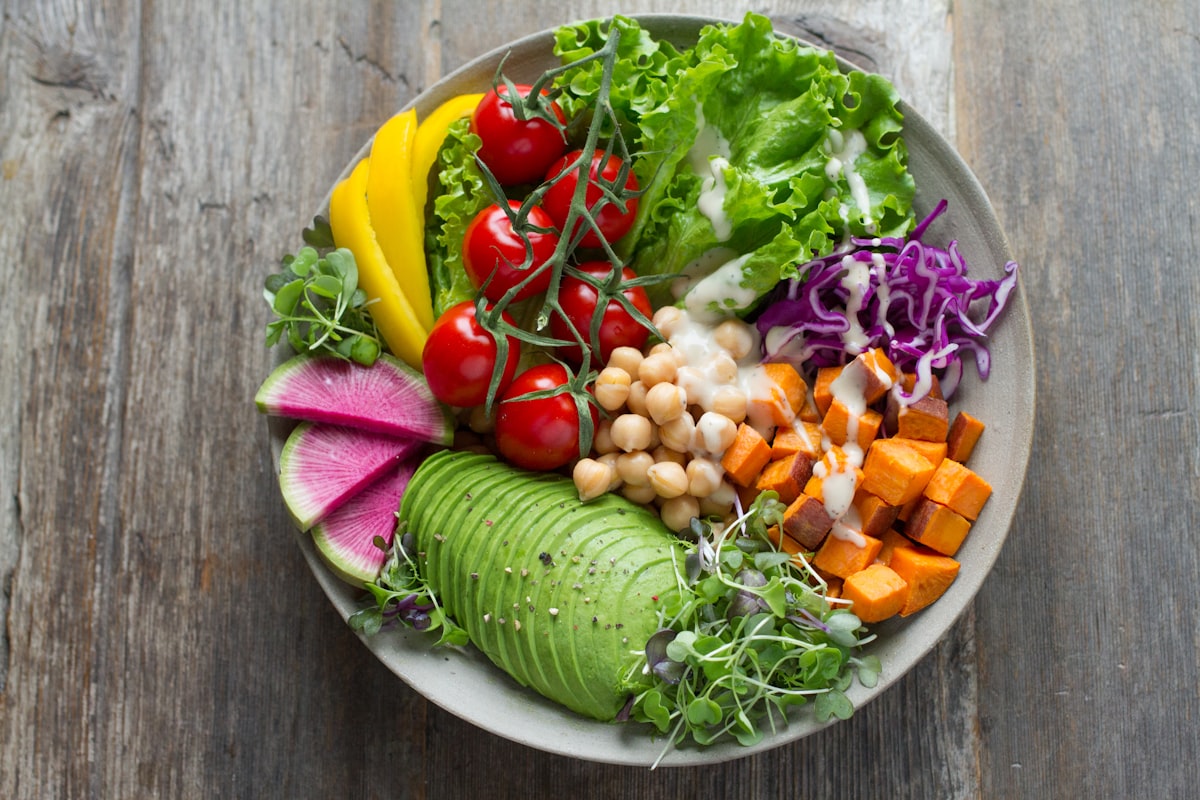
A well-balanced plate: colour, variety, and the right proportions of each food group.
A balanced diet provides the body with all the macronutrients — carbohydrates, proteins, and fats — alongside essential micronutrients, fibre, and water, in the right proportions. No single food delivers everything; variety is the cornerstone of good nutrition.
The Three Macronutrients Explained
🌾 Carbohydrates
The body's primary fuel. Choose complex carbs — whole grains, legumes, oats, sweet potatoes — over refined sugars for sustained energy and stable blood glucose.
🥩 Proteins
Essential for tissue repair, immune function, and hormone production. Excellent sources include fish, eggs, legumes, tofu, dairy, and lean poultry.
🥑 Healthy Fats
Critical for brain health, hormone synthesis, and fat-soluble vitamin absorption. Prioritise unsaturated fats from avocados, olive oil, nuts, and fatty fish.
💧 Water & Fibre
Often overlooked, both are vital. Aim for 25–38 g of fibre daily and 2–3 litres of water. They regulate digestion, blood pressure, and cholesterol.
How to Build a Balanced Plate
Fill Half Your Plate with Vegetables & Fruit
Aim for a rainbow of colours — each pigment represents different antioxidants and phytonutrients. Dark leafy greens, red peppers, purple cabbage, and orange carrots are excellent choices.
One Quarter: Whole Grains or Starchy Vegetables
Brown rice, quinoa, whole-wheat bread, lentils, or sweet potatoes provide complex carbohydrates and fibre that keep you full and energised.
One Quarter: Quality Protein
Choose plant-based proteins (beans, lentils, tofu) or lean animal proteins (fish, chicken, eggs) to support muscle maintenance and satiety.
Add a Healthy Fat Source
Drizzle extra-virgin olive oil, add a handful of nuts, or include half an avocado to boost nutrient absorption and support cardiovascular health.
Limit Ultra-Processed Foods
Ultra-processed products (chips, sugary cereals, packaged snacks) are calorie-dense and nutrient-poor. Reserve them as occasional treats, not daily staples.
Superfoods: Nature's Nutritional Powerhouses


The term "superfood" is not a medical category, but it loosely describes foods with exceptional concentrations of vitamins, minerals, antioxidants, or beneficial compounds relative to their calorie count. Including a variety of these regularly can meaningfully elevate the nutritional quality of your diet.
Top Superfoods & Their Key Benefits
| Superfood | Key Nutrients | Top Health Benefit | Best Way to Eat |
|---|---|---|---|
| Blueberries | Anthocyanins, Vitamin C, K, Fibre | Brain protection, reduces oxidative stress | Fresh, frozen, in smoothies or oats |
| Salmon | Omega-3 (EPA/DHA), Protein, Vitamin D, B12 | Heart & brain health, reduces inflammation | Baked, grilled, or poached |
| Kale | Vitamins A, C, K, Calcium, Antioxidants | Bone health, immune support, eye health | Sautéed, in salads, or blended |
| Chia Seeds | Omega-3 ALA, Fibre, Calcium, Magnesium | Digestive health, blood sugar regulation | In puddings, smoothies, or water |
| Turmeric | Curcumin, Manganese, Iron | Powerful anti-inflammatory and antioxidant | In curries, teas, golden milk |
| Greek Yoghurt | Probiotics, Protein, Calcium, B12 | Gut health, muscle recovery, bone strength | Plain, with fruit or nuts |
| Avocado | Monounsaturated fats, Potassium, Folate, K | Heart health, absorption of fat-soluble vitamins | On toast, in salads, as guacamole |
| Quinoa | Complete protein, Fibre, Iron, Magnesium | Complete amino acid profile, gluten-free grain | As a rice substitute, in bowls & salads |
Lesser-Known Superfoods Worth Adding
- Moringa: Gram-for-gram, one of the most nutrient-dense plants on Earth — rich in iron, calcium, and all essential amino acids.
- Seaweed & Nori: Exceptional source of iodine, essential for thyroid function; also contains unique antioxidants called fucoxanthins.
- Black Beans: Packed with fibre, folate, and anthocyanins; linked to improved insulin sensitivity and heart health.
- Flaxseeds: Among the richest plant sources of omega-3 ALA and lignans — compounds with anti-cancer properties.
- Shiitake Mushrooms: Contain lentinan, a compound studied for immune-boosting effects, plus B vitamins and ergothioneine.
Gut Health: Your Second Brain

Fermented foods are among the most powerful tools for a thriving gut microbiome.
Your gut is home to trillions of microorganisms — bacteria, fungi, and viruses — collectively called the microbiome. Research over the past decade has revealed that this ecosystem influences not just digestion, but immunity, mental health, weight, skin, and even the risk of chronic disease. A diverse, balanced microbiome is one of the most important markers of overall health.
Probiotics: Seeding Your Gut with Good Bacteria
Probiotics are live beneficial bacteria found in fermented foods. Regular consumption helps replenish and diversify your microbiome, especially after antibiotic use or periods of poor diet.
- Kefir: A fermented milk drink with up to 61 strains of beneficial bacteria and yeasts — more potent than yoghurt.
- Kimchi & Sauerkraut: Fermented vegetables rich in Lactobacillus strains, plus Vitamins C and K.
- Miso & Tempeh: Fermented soy products widely eaten across Asia; excellent for gut diversity and protein intake.
- Kombucha: Fermented tea with organic acids and probiotic strains; choose low-sugar varieties.
- Plain Live Yoghurt: Look for "live and active cultures" on the label for guaranteed probiotic benefit.
Prebiotics: Feeding Your Good Bacteria
Prebiotics are non-digestible fibres that act as food for beneficial gut bacteria, helping them thrive and multiply. Without prebiotics, probiotics cannot survive long-term.
🧅 Onions & Garlic
Rich in inulin and fructooligosaccharides (FOS). Raw consumption provides maximum prebiotic benefit.
🍌 Bananas (slightly green)
Contain resistant starch that feeds Bifidobacterium and helps improve bowel regularity.
🌾 Oats
Beta-glucan in oats feeds beneficial bacteria and simultaneously lowers LDL cholesterol.
🥦 Asparagus & Leeks
Among the highest prebiotic fibre vegetables; also support liver detoxification enzymes.
Signs of an Unhealthy Gut & How to Restore It
- Bloating & gas: Often a sign of microbial imbalance (dysbiosis) or food intolerances. Reduce ultra-processed foods and increase fibre gradually.
- Frequent illness: About 70% of the immune system resides in the gut. Recurring infections may indicate low microbial diversity.
- Mood swings & brain fog: The gut-brain axis is real. Low Lactobacillus levels are linked to anxiety and depression via the vagus nerve.
- Skin conditions: Eczema, rosacea, and acne have been linked to gut dysbiosis through the gut-skin axis.
- Unexplained weight changes: Gut bacteria regulate metabolism, appetite hormones (ghrelin/leptin), and calorie extraction from food.
Vitamins & Minerals: The Micronutrient Blueprint


Vitamins and minerals are micronutrients required in small amounts but absolutely essential for thousands of biochemical processes. Deficiencies are far more common globally than most people realise — even in high-income countries — and often show up as fatigue, poor immunity, hair loss, or brain fog long before a clinical diagnosis.
Essential Vitamins: Functions & Food Sources
| Vitamin | Primary Role | Deficiency Signs | Best Food Sources |
|---|---|---|---|
| Vitamin D | Bone health, immunity, mood regulation | Fatigue, depression, bone pain, frequent illness | Sunlight, salmon, egg yolks, fortified milk |
| Vitamin B12 | Nerve function, DNA synthesis, red blood cells | Anaemia, tingling limbs, memory issues, fatigue | Meat, fish, eggs, dairy, nutritional yeast |
| Vitamin C | Antioxidant, immune support, collagen production | Slow wound healing, frequent infections, bleeding gums | Citrus, kiwi, bell peppers, broccoli, strawberries |
| Vitamin A | Vision, skin health, immune function | Night blindness, dry skin, recurrent infections | Sweet potato, carrots, spinach, liver, eggs |
| Folate (B9) | Cell division, DNA repair, neural tube development | Anaemia, birth defects (in pregnancy), fatigue | Leafy greens, lentils, chickpeas, fortified grains |
| Vitamin K | Blood clotting, bone mineralisation | Excessive bruising, poor wound healing | Kale, spinach, broccoli, fermented foods |
| Vitamin E | Antioxidant protection, skin and eye health | Nerve damage, weak immunity, vision problems | Sunflower seeds, almonds, avocado, olive oil |
Critical Minerals Your Body Needs Daily
- Iron: Carries oxygen in the blood. Found in red meat, spinach, lentils, and pumpkin seeds. Pair with Vitamin C to boost absorption by up to 67%.
- Calcium: Backbone of bone density and muscle contraction. Best from dairy, sardines, kale, sesame seeds, and fortified plant milks.
- Magnesium: Involved in over 300 enzyme reactions. Critical for sleep, muscle relaxation, and stress regulation. Found in dark chocolate, nuts, leafy greens, and seeds.
- Zinc: Essential for wound healing, immune defence, and hormone production. Found in oysters, beef, pumpkin seeds, and chickpeas.
- Iodine: Critical for thyroid hormone production. Found in seaweed, fish, dairy, and iodised salt — deficiency is the leading preventable cause of intellectual disability worldwide.
- Potassium: Regulates blood pressure and heart rhythm. Abundantly found in bananas, white beans, salmon, avocados, and potatoes.
- Selenium: Protects cells from oxidative damage; supports thyroid health. Just 2–3 Brazil nuts a day meets the daily requirement.
Should You Take Supplements?
Supplements are never a substitute for a varied diet, but certain populations consistently benefit from targeted supplementation:
Vitamin D — Almost Universal Need
Studies suggest over 1 billion people worldwide are deficient. People in northern latitudes, those who cover their skin, or those who work indoors should supplement 1,000–2,000 IU daily (after testing).
B12 — Vegans & Vegetarians
B12 is found almost exclusively in animal products. Plant-based eaters should supplement or eat fortified foods consistently, as deficiency can cause irreversible nerve damage.
Iron — Women of Reproductive Age
Iron deficiency anaemia affects an estimated 30% of women globally. Get tested annually and supplement only under medical supervision, as excess iron is harmful.
Folate — Those Planning Pregnancy
All women planning or capable of pregnancy should take 400 mcg of folic acid daily to prevent neural tube defects — ideally starting at least 3 months before conception.
Practical Tips for Eating Well Every Day

Meal prepping even 2–3 days ahead dramatically improves the consistency of healthy eating.
- Shop the perimeter of the supermarket: Fresh produce, proteins, and dairy line the edges. The inner aisles house ultra-processed items — limit your time there.
- Eat mindfully and slowly: It takes the brain roughly 20 minutes to register satiety. Slowing down reduces overeating by 10–20% in studies.
- Meal prep twice a week: Spending 60–90 minutes prepping grains, proteins, and chopped vegetables on Sundays and Wednesdays removes daily decision fatigue.
- Hydrate before meals: Drinking 500 ml of water 30 minutes before meals has been shown to reduce calorie intake at that meal by an average of 13%.
- Cook at home more often: Research consistently shows that people who cook at home 5+ nights per week consume significantly fewer calories, less sodium, and more nutrients.
- Read nutrition labels: Check ingredients (the shorter the list, the better), watch for hidden sugars (glucose syrup, dextrose, maltose), and track sodium content.
- Prioritise sleep: Poor sleep increases ghrelin (hunger hormone) by up to 28% and reduces leptin (fullness hormone), making healthy eating choices far harder.
- Pair good nutrition with movement: Exercise and diet work synergistically. Regular physical activity improves insulin sensitivity, gut microbiome diversity, and mood — all of which reinforce better food choices.
Start Small, Think Long-Term
Perfect nutrition is not about rigid rules, calorie obsession, or eliminating joy from eating. It is about consistent, incremental progress: adding one more vegetable serving, switching to whole grains, including a fermented food a few times a week, and getting outside for natural Vitamin D. These small shifts, sustained over months and years, create the biological foundation for a longer, healthier, and more energised life — regardless of where in the world you live or what culinary traditions you come from. Your body is extraordinary; feed it accordingly.
All images sourced from Unsplash (unsplash.com) under the Unsplash License — free for commercial and personal use, no attribution required.
Article content is for informational purposes only and does not constitute medical advice. Consult a qualified healthcare professional or registered dietitian for personalised nutrition guidance.


0 Comments