

The global weight loss industry generates over $250 billion annually — yet obesity rates continue to rise worldwide. Why? Because most approaches chase quick results rather than the fundamental science of fat metabolism. Sustainable weight loss and fat burning are not about starvation, extreme cardio, or miracle supplements. They rest on a handful of well-established physiological principles that, when applied consistently, produce remarkable and lasting results.
Whether your goal is to lose belly fat naturally, understand how calorie deficits work, find the best diet and workout combination, or simply stop yo-yo dieting forever — this evidence-based guide delivers clarity, structure, and actionable strategy for a global audience at every fitness level.
The Calorie Deficit: The Non-Negotiable Foundation of Fat Loss
No diet plan, training programme, or supplement bypasses the fundamental thermodynamic law of energy balance. Fat loss requires a calorie deficit — consuming fewer calories than your body expends. When you run a consistent deficit, your body turns to stored fat (adipose tissue) as its primary fuel source, breaking down triglycerides into free fatty acids and glycerol through a process called lipolysis.
How to Calculate Your Personal Calorie Deficit
-
1Calculate Your Basal Metabolic Rate (BMR)
BMR is the energy your body burns at rest. Use the Mifflin-St Jeor equation (the most accurate validated formula): Men: (10 × weight kg) + (6.25 × height cm) − (5 × age) + 5. Women: (10 × weight kg) + (6.25 × height cm) − (5 × age) − 161.
-
2Multiply by Your Activity Multiplier (TDEE)
Your Total Daily Energy Expenditure (TDEE) = BMR × Activity Factor. Sedentary (desk job, no exercise): ×1.2. Lightly active (1–3 workouts/week): ×1.375. Moderately active (3–5 days): ×1.55. Very active (6–7 days intense): ×1.725.
-
3Apply a Moderate Deficit of 300–500 Calories
Subtract 300–500 from your TDEE. This creates a safe and sustainable rate of fat loss: roughly 0.3–0.5 kg (0.5–1 lb) per week. At this rate, the majority of weight lost comes from fat, not muscle.
-
4Track and Adjust Every 2–4 Weeks
As weight decreases, TDEE decreases — meaning your deficit must be recalculated periodically. Failing to adjust is one of the most common reasons progress stalls after 6–8 weeks. Use a food tracking app to monitor intake accurately.
-
5Take a Diet Break Every 8–12 Weeks
Research (including Byrne et al., 2017) shows that 1–2 weeks of eating at maintenance calories every 8–12 weeks reduces adaptive thermogenesis (metabolic slowdown), preserves muscle mass, and improves long-term fat loss outcomes by up to 47% compared to continuous dieting.
Deficits exceeding 1,000 calories per day are medically inadvisable without clinical supervision. They trigger aggressive muscle catabolism, suppress thyroid function, disrupt hormones (leptin, ghrelin, cortisol), and cause nutrient deficiencies. Rapid weight loss diets produce fast initial results but almost universally result in weight regain within 1–2 years. Sustainable progress beats speed every time.

Photo: Unsplash.com — Unsplash
Macronutrients for Fat Loss: Protein, Carbs & Fats — Getting the Balance Right
Total calories determine whether you lose fat. Macronutrient ratios determine how much of that loss is fat vs. muscle. Getting your macros right is one of the most powerful levers in any fat burning diet plan.
Recommended Macro Split for Fat Loss (Evidence-Based)
A 2020 systematic review in Advances in Nutrition confirmed that higher protein intake during a calorie deficit is the single most powerful dietary variable for preserving lean muscle mass while losing fat. Prioritise hitting your protein target first — every single day — before adjusting other macros.
Best High-Protein, Low-Calorie Foods for Fat Loss (Global)
| Food | Protein (per 100g) | Calories (per 100g) | Availability |
|---|---|---|---|
| Chicken breast (skinless) | 31g | 165 kcal | Global |
| Canned tuna (in water) | 26g | 116 kcal | Global |
| Greek yoghurt (0% fat) | 10g | 59 kcal | Global |
| Lentils (cooked) | 9g | 116 kcal | Global |
| Cottage cheese | 11g | 98 kcal | Global |
| Egg whites | 11g | 52 kcal | Global |
| Tofu (firm) | 8g | 76 kcal | Global |
| Edamame | 11g | 122 kcal | Global |
The Best Workout Combinations for Fat Burning — What Science Actually Says


Photos: Unsplash.com — Unsplash
The most common fat loss mistake is relying on cardio alone. While cardio burns calories, it does nothing to build or preserve the muscle mass that keeps your metabolism elevated. The most effective and evidence-backed approach is a strategic combination of resistance training and cardiovascular exercise, calibrated to your fitness level and schedule.
Cardio vs. Strength Training vs. HIIT — Compared
| Method | Calories Burned (session) | Afterburn Effect | Muscle Preservation | Best For |
|---|---|---|---|---|
| Steady-State Cardio | 200–400 kcal | Low | Poor | Active recovery, beginners |
| HIIT (20–30 min) | 250–450 kcal | Very High (24–48h) | Moderate | Time-efficient fat loss |
| Strength Training | 150–350 kcal | High (EPOC 24–72h) | Excellent | Body recomposition, long-term metabolism |
| Strength + HIIT Hybrid | 350–550 kcal | Very High | Excellent | Maximum fat loss with muscle retention |
| Walking (Zone 2) | 150–300 kcal | Minimal | Good (low cortisol) | Daily movement, recovery days |
Excess Post-Exercise Oxygen Consumption (EPOC) — often called the "afterburn effect" — means your body continues burning elevated calories for hours (or days) after strength training and HIIT. A single heavy resistance session can increase metabolic rate by 6–15% for up to 72 hours, making it one of the most calorie-efficient fat loss tools available.
The Optimal Weekly Workout Structure for Fat Loss
| Day | Session Type | Duration | Primary Goal |
|---|---|---|---|
| Monday | Full-Body Strength Training | 45–55 min | Muscle preservation, EPOC |
| Tuesday | HIIT (cycling, running, rowing) | 25–30 min | Calorie burn, cardiovascular fitness |
| Wednesday | Active Recovery — Zone 2 Walk | 30–45 min | Low-cortisol fat oxidation |
| Thursday | Upper Body Strength Training | 45 min | Lean muscle, afterburn |
| Friday | HIIT or Circuit Training | 30 min | Weekly calorie deficit boost |
| Saturday | Lower Body Strength Training | 45–50 min | Glutes, legs, highest EPOC potential |
| Sunday | Rest or gentle stretching/yoga | 20–30 min | Recovery, cortisol reset |
Popular Fat Loss Diets: Pros, Cons & Who They Work For
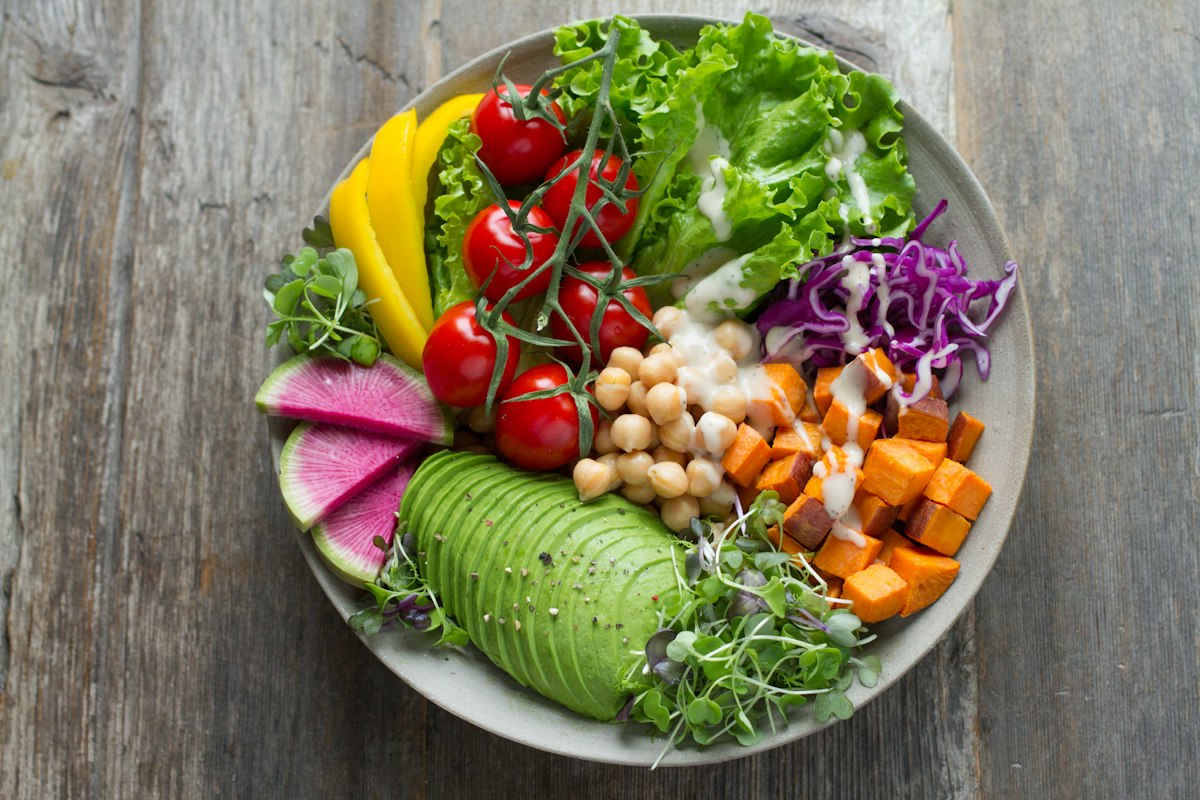
Photo: Unsplash.com — Unsplash
Intermittent Fasting (IF) — 16:8 Protocol
✅ Advantages of Intermittent Fasting
- Naturally reduces calorie intake for many people without calorie counting
- Improves insulin sensitivity and metabolic health markers
- Triggers autophagy (cellular repair) during fasting windows
- Simple structure — no complex meal planning required
- Shown to reduce visceral (belly) fat specifically
❌ Limitations of Intermittent Fasting
- Can make hitting protein targets harder within eating window
- Not suitable for people with history of disordered eating
- May impair high-intensity training performance if fasted
- Social and cultural eating patterns can make adherence difficult
- No superior fat loss vs. matched calorie restriction (per 2022 RCTs)
High-Protein Mediterranean-Style Diet — The Most Sustainable Option
The combination of high protein intake with the Mediterranean diet's emphasis on whole foods, healthy fats, and anti-inflammatory ingredients is consistently ranked by nutrition researchers as the most sustainable long-term fat loss approach. It is the only dietary pattern associated with improved mental health, cardiovascular outcomes, and weight management simultaneously. The adaptability of Mediterranean eating — applicable to cuisines across Europe, the Middle East, North Africa, and South Asia — makes it genuinely globally accessible.
The ketogenic diet (very low carb, very high fat) can accelerate initial fat loss — largely through water and glycogen depletion rather than pure adipose tissue loss. Long-term studies show no meaningful fat loss advantage over well-designed standard calorie-deficit diets. Keto also significantly restricts food variety and may impair high-intensity exercise performance. It remains a clinically valid tool for specific metabolic conditions under medical supervision, but is not the superior approach it is often marketed as for general population fat loss.
7 Fat Loss Mistakes Sabotaging Your Progress (and How to Fix Them)

Photo: Unsplash.com — Unsplash
-
1Underestimating Calorie Intake
Studies show people underestimate their daily calorie consumption by an average of 40%. Cooking oils, sauces, drinks, and "healthy" snacks are the biggest hidden sources. Use a digital food scale and a validated tracking app for at least 4–6 weeks to calibrate your awareness.
-
2Overestimating Calories Burned in Exercise
Cardio machine readouts and fitness trackers overestimate calorie burn by 20–90%. Never "eat back" all exercise calories using these figures. Use conservative estimates and focus on diet as the primary deficit driver.
-
3Not Eating Enough Protein
In a calorie deficit, insufficient protein leads to muscle breakdown — dropping your metabolic rate and making future fat loss progressively harder. Aim for minimum 1.6g of protein per kilogram of bodyweight, every single day.
-
4Relying on the Scale as the Only Progress Metric
Weight fluctuates by 1–3 kg daily due to water, food volume, hormones, and glycogen. Track measurements (waist, hips, arms), progress photos every 2 weeks, and how clothes fit — alongside scale weight trends over 2–4 week periods.
-
5Neglecting Sleep
Getting fewer than 7 hours of sleep increases ghrelin (hunger hormone) by up to 24% and reduces leptin (satiety hormone) by 18% (Spiegel et al., PLOS Medicine). Poor sleep also elevates cortisol, which promotes visceral fat storage. Sleep is not optional for fat loss — it is a core variable.
-
6Doing Too Much Too Soon (Cortisol Overtraining)
Training 7 days a week with no recovery days chronically elevates cortisol, suppresses testosterone, increases inflammation, and impairs fat oxidation. More is not better. Structured rest is part of the fat loss programme, not a weakness.
-
7Expecting Linear Progress
Fat loss is non-linear. Plateaus lasting 1–3 weeks are normal physiological adaptations, not failures. The correct response is to audit your tracking accuracy, slightly increase movement (NEAT — Non-Exercise Activity Thermogenesis), or take a 1-week diet break before reducing calories further.
Frequently Asked Questions: Weight Loss & Fat Burning
How much of a calorie deficit do I need to lose weight safely?
A daily deficit of 300–500 calories below your TDEE is the scientifically validated safe and sustainable range for most healthy adults. This produces roughly 0.3–0.5 kg (0.5–1 lb) of fat loss per week. Deficits above 750–1,000 calories should only be undertaken under clinical medical supervision, as they risk muscle catabolism, hormonal disruption, and nutritional deficiency.
What is the best diet and workout combination for fat loss?
Research consistently identifies a moderate calorie deficit (400–500 kcal/day), high-protein nutrition (1.6–2.2g/kg bodyweight), 3 resistance training sessions per week, and 2 HIIT sessions per week as the gold-standard combination. This approach maximises fat oxidation while preserving lean muscle mass — which is critical for keeping metabolism elevated long-term.
Does intermittent fasting burn more fat than regular dieting?
When total calorie intake is matched, intermittent fasting produces equivalent fat loss to standard calorie-restricted diets. IF's primary advantage is adherence for people who find time-restricted eating easier to sustain than calorie counting. For those who can hit calorie and protein targets on a normal meal schedule, IF offers no additional fat loss benefit.
How long does it take to see visible fat loss results?
Measurable body composition changes typically appear within 4–6 weeks of consistent adherence. Visible changes — fitting clothes differently, visible muscle definition, measurable waist reduction — generally appear at 8–12 weeks. Significant body transformation takes 6–12 months of sustained consistency. Patience and process-tracking matter more than the scale.
Can I lose fat without going to the gym?
Absolutely. Bodyweight resistance training (push-ups, squats, lunges, dips, pull-ups with a bar) combined with outdoor HIIT (sprinting, cycling, jump rope) is proven just as effective as gym-based training for fat loss and muscle preservation when programmed correctly. The gym offers equipment variety and progressive overload convenience, but it is not a prerequisite.
Do fat burner supplements actually work?
The evidence for most commercially sold "fat burner" supplements is weak to negligible. Caffeine (a mild thermogenic), green tea extract (EGCG), and capsaicin have the most research support — but their effect on fat loss is modest (100–200 extra kcal/day at most). They work only in the presence of a calorie deficit, not instead of one. Many fat burner products also carry cardiovascular and liver safety risks. Focus on fundamentals: deficit, protein, training, sleep.
The Bottom Line: Simple Principles, Consistent Execution
Every sustainable fat loss journey rests on the same foundation: a moderate calorie deficit, sufficient protein, the right combination of resistance and cardiovascular training, quality sleep, and enough patience to let the process work. There is no shortcut that bypasses these principles — only products that profit from the desire for one.
Start with your TDEE. Build your deficit. Hit your protein. Move your body with a smart weekly workout structure. Sleep 7–9 hours. Adjust every 3–4 weeks based on real data, not frustration. The people who achieve and maintain meaningful fat loss do not have superior genetics or willpower. They have a workable system and the discipline to follow it consistently — even imperfectly.
Begin with the step you can take today. That is the only one that matters right now.


0 Comments