
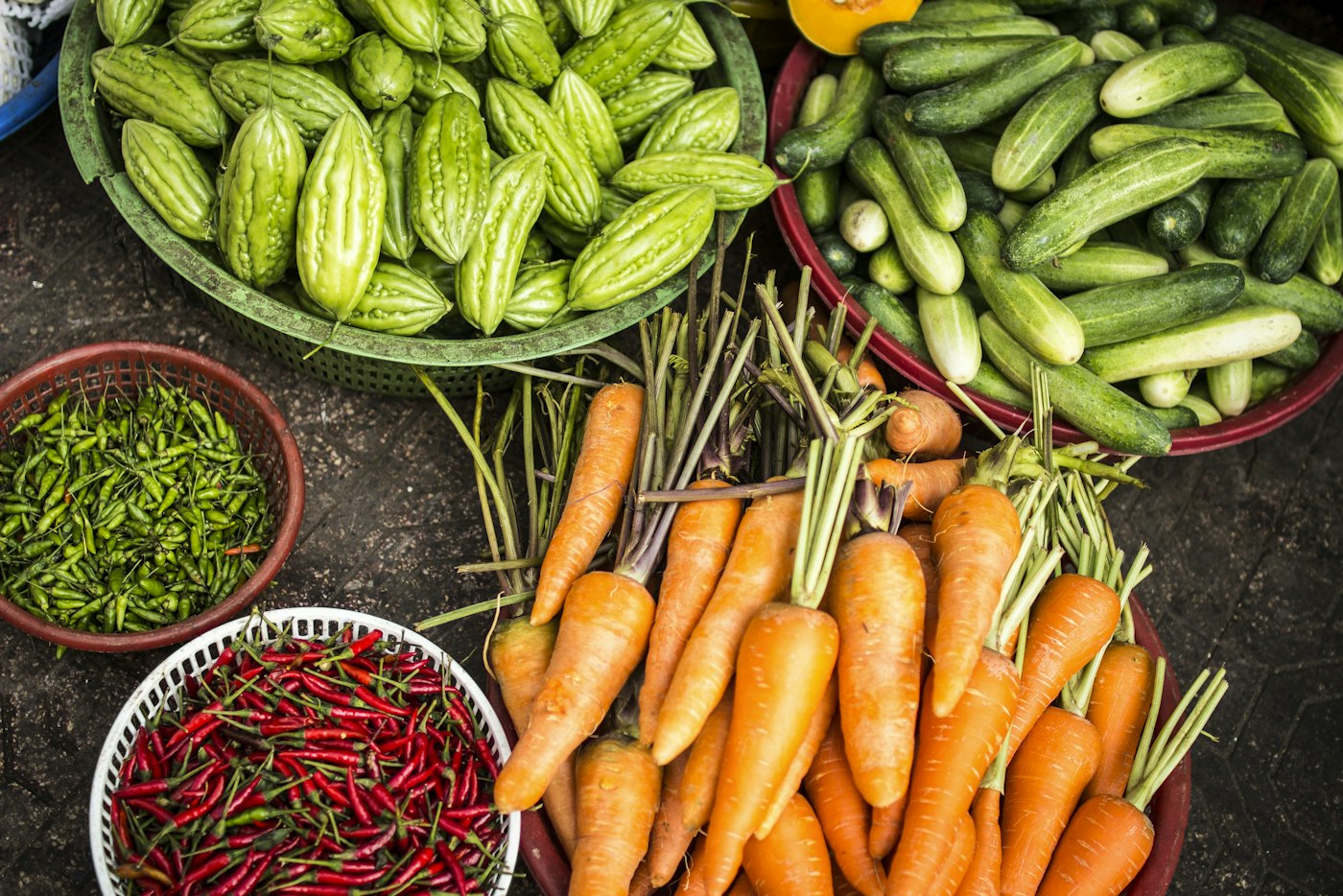
Plant Breeding & Genetics:
Developing Improved Varieties
Science at the frontier of food security, climate resilience, and human nutrition
Plant breeding and genetics sit at the very heart of modern agriculture. Since the earliest civilisations selected the largest seeds from the best-performing plants, humans have been engaged in a quiet but relentless dialogue with nature — coaxing crops to grow taller, yield more, resist disease, and nourish better. Today, that dialogue is supercharged by molecular biology, genomics, data science, and biotechnology.
RAMSPROZONE is dedicated to making cutting-edge plant science accessible to global readers — from undergraduate students in Nairobi to rice farmers in Vietnam and plant pathologists in Brazil. This comprehensive guide walks through the complete journey of developing improved crop varieties: from classical genetics to CRISPR-based precision editing, from the field trial to the farmer's hand.
By 2050, Earth must feed nearly 10 billion people — on roughly the same cropland available today, under increasingly erratic climate conditions. Improved varieties developed through rigorous plant breeding are the single most powerful, cost-effective, and scalable tool to meet that challenge.
The double helix — the blueprint of every improved variety begins here. © Unsplash
All plant breeding is underpinned by genetics — the science of heredity and variation. Gregor Mendel's pea experiments in the 1860s revealed that discrete units (now called genes) control observable traits, and that these units are inherited in predictable mathematical ratios. His laws of segregation and independent assortment remain foundational principles that every plant breeder must internalise.
1.1 The Plant GenomeA plant genome is the complete set of DNA contained within one cell's nucleus, including all chromosomes. Genome size varies enormously — Arabidopsis thaliana (the geneticist's workhorse) contains ~135 megabases across 5 chromosome pairs, while bread wheat carries ~16,000 megabases across 42 chromosomes (a hexaploid). This polyploidy — having multiple sets of chromosomes — is common in crops and adds extraordinary complexity to breeding programmes.
1.2 Mendelian vs. Quantitative Traits- Qualitative (Mendelian) traits are controlled by one or a few genes with large, discrete effects — for example, kernel colour in maize, disease resistance conferred by a single resistance gene, or dwarfing alleles in rice and wheat.
- Quantitative traits (yield, drought tolerance, protein content) are governed by dozens to thousands of genes (Quantitative Trait Loci — QTLs), each contributing a small additive effect, all further modified by environment. These are the hardest and most important targets in modern breeding.
- Epistasis describes the interaction between genes, where the effect of one gene is masked or amplified by another — a critical consideration when stacking multiple improved traits into a single variety.
- GxE interaction (Genotype × Environment) explains why a variety that performs brilliantly in Iowa may underperform in the Punjab. Stability analysis across environments is fundamental to any breeding programme.
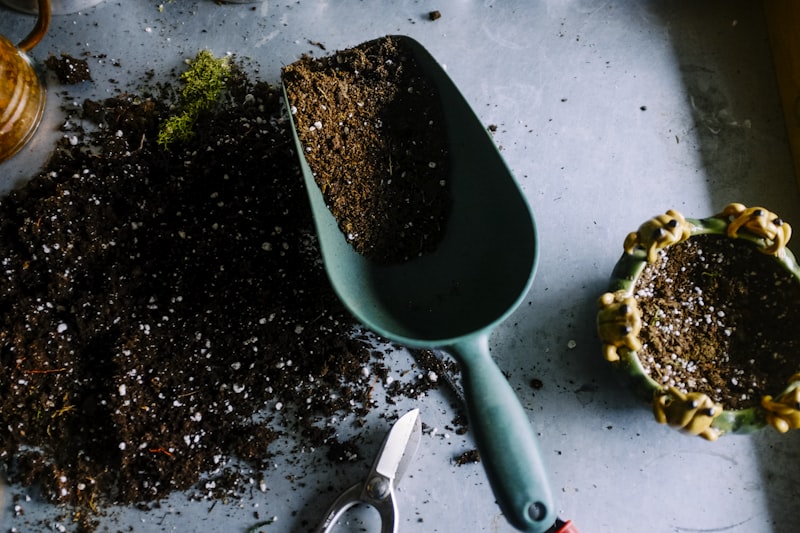
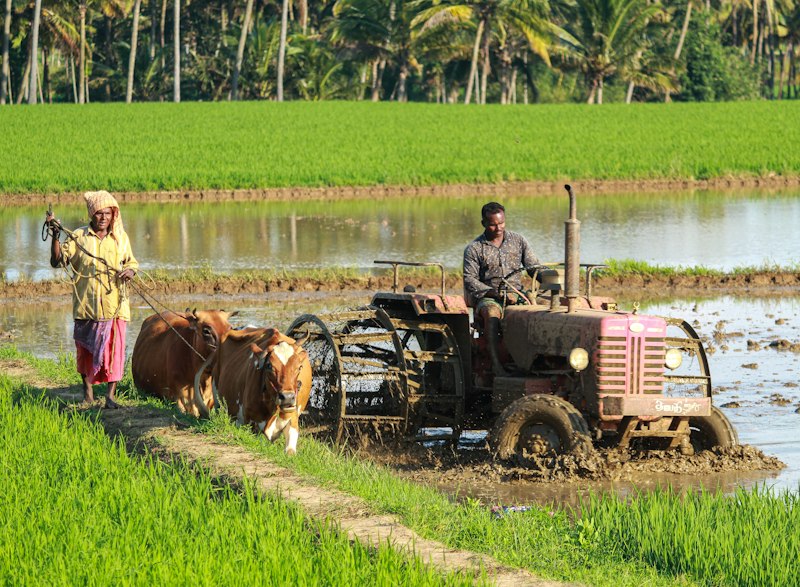
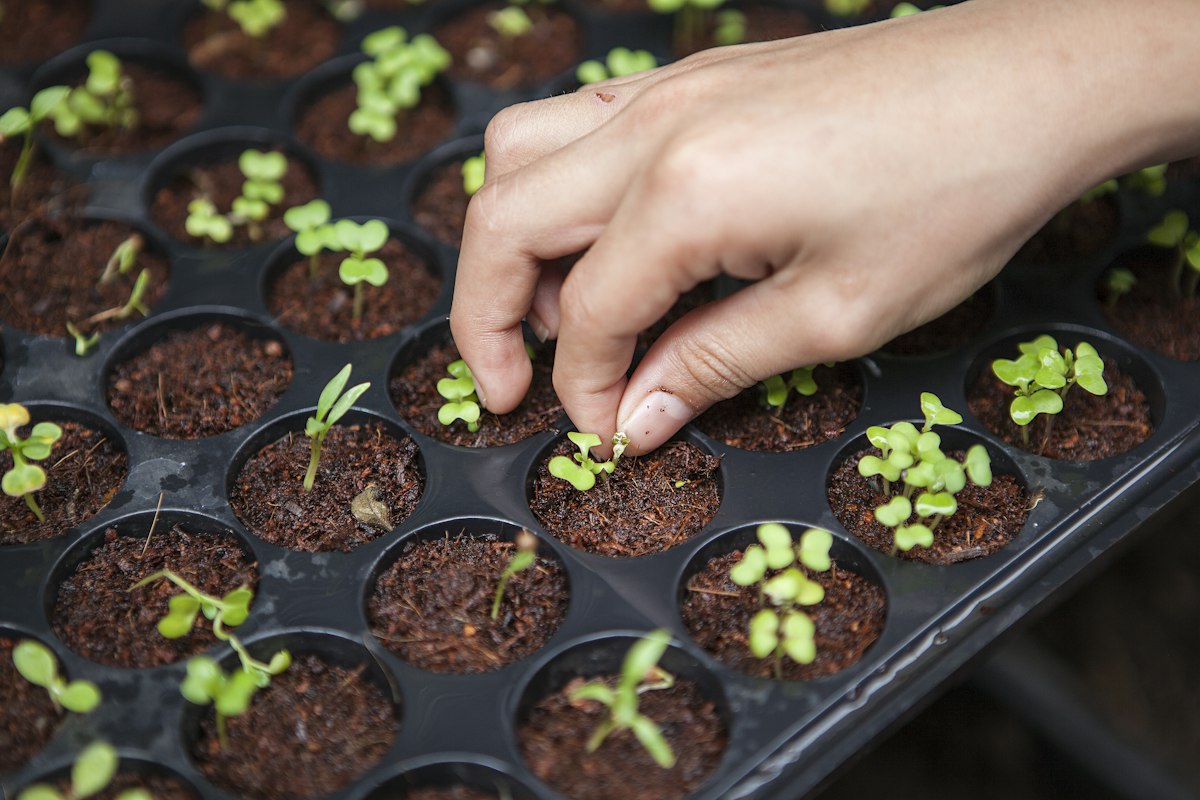
Left: Controlled crossing in the greenhouse. Right: Multi-environment field trials. © Unsplash
Before molecular tools arrived, plant breeders worked entirely with what they could see, measure, and control. These classical methods remain indispensable today — even the most advanced genomic pipeline ends in a field, evaluated against traditional agronomic criteria.
2.1 Mass SelectionThe oldest breeding technique. Breeders harvest seeds from the highest-performing plants within an open-pollinated population. Repeated over many generations, this gradually shifts the population's mean performance upward. Effective for simply inherited traits; less effective for quantitative ones because selected plants may not breed true due to heterozygosity.
2.2 Pure Line SelectionIn self-pollinating crops (wheat, rice, tomato, soybean), natural inbreeding produces nearly homozygous individuals. Selecting and propagating a single superior plant creates a pure line — genetically uniform and true-breeding. Many historic cereal varieties originated this way.
2.3 Hybridisation and the Pedigree MethodTwo parents with complementary traits are crossed deliberately. The resulting F₁ hybrid is vigorous but genetically uniform. From F₂ onwards, segregation produces enormous variation. Breeders apply the pedigree method: selecting the best individual plants across F₂ through F₆ generations, maintaining records of lineage at each step, until lines become sufficiently homozygous for evaluation.
2.4 Backcross BreedingWhen a desirable gene (e.g., disease resistance) exists in a wild relative or unadapted donor variety, breeders cross it to an elite recurrent parent, then repeatedly cross offspring back to the elite parent. After 5–7 backcross generations, ~99% of the genome is recovered from the elite parent, while the target trait is retained. This is the method that transferred Lr34 rust resistance into dozens of wheat backgrounds.
2.5 Bulk Method and SSD- Bulk Method: Bulk-harvest heterogeneous early generations without individual selection. Allow natural selection to operate. Begin individual selection only in F₅–F₆ when lines are nearly homozygous.
- Single Seed Descent (SSD): Advance a single seed per plant through generations under favourable greenhouse conditions — regardless of phenotype — to reach homozygosity rapidly (F₆ in 3 years), then select. SSD is beloved for speed and for minimising natural selection bias.
Parental Selection
Identify genetically diverse parents with complementary target traits. Mine germplasm banks and exotic collections.
Crossing & F₁
Make controlled crosses. Verify F₁ hybrid status via morphology or molecular markers. Expand seed under isolation.
Segregating Generations
Advance F₂–F₆ through SSD, pedigree, or bulk methods. Apply selection pressure for target traits.
Preliminary Yield Trials
Evaluate hundreds of lines in small plots at multiple sites. Measure yield, maturity, disease scores, quality.
Advanced Trials & Multi-Environment Testing
Top 5–10 lines tested across 20+ locations over 2–3 seasons. Analyse GxE stability.
Variety Release & Seed Scale-up
Regulatory submission, distinctness/uniformity/stability (DUS) testing, National Performance Trials, and seed multiplication.

Molecular markers allow breeders to select at the DNA level — without waiting for plants to mature.
The 1980s brought a revolution: restriction fragment length polymorphisms (RFLPs), and later SSRs and SNPs, allowed breeders to read the genome directly. Molecular markers are specific DNA sequences at known chromosomal positions that differ between individuals. They serve as proxies for nearby genes of interest.
3.1 Types of Molecular Markers| Marker Type | Full Name | Key Features | Common Use |
|---|---|---|---|
| RFLP | Restriction Fragment Length Polymorphism | Co-dominant; laborious; low throughput | Earliest QTL maps |
| SSR | Simple Sequence Repeat (Microsatellite) | Highly polymorphic; co-dominant; multi-allelic | Germplasm fingerprinting, MAS |
| SNP | Single Nucleotide Polymorphism | Abundant; bi-allelic; high throughput arrays | GWAS, GS, genomic selection |
| DArT | Diversity Arrays Technology | Sequence-independent; very high density | Whole-genome profiling in wheat/barley |
| KASP | Kompetitive Allele-Specific PCR | Cheap; flexible; high-throughput SNP genotyping | Gene pyramiding in MARS pipelines |
MAS uses diagnostic markers tightly linked to — or within — a target gene to predict which plants carry the favourable allele without phenotyping for the trait directly. This is transformative for:
- Disease resistance: Selecting for Xa21 bacterial blight resistance in rice seedlings — saving 3–4 months compared to inoculation tests.
- Recessive alleles: Identifying homozygous carriers of submergence tolerance (Sub1) or drought tolerance QTLs that are invisible in the field during favourable seasons.
- Backcross programmes: Marker-Assisted Backcrossing (MABC) both selects the target gene AND uses background markers to maximise recovery of recurrent parent genome — reducing backcross generations from 7 to 3–4.
- Gene pyramiding: Stacking multiple resistance genes (e.g., Lr34 + Lr46 + Lr67 for wheat leaf rust) that are impossible to distinguish phenotypically when all are present.
GS — proposed by Meuwissen et al. in 2001 — changed the paradigm entirely. Instead of using a handful of markers linked to known QTLs, GS uses thousands to millions of SNPs spread across the genome simultaneously to predict a Genomic Estimated Breeding Value (GEBV) for each individual.
A training population (phenotyped and genotyped) is used to build a statistical model relating marker data to phenotypic performance. New candidates are then genotyped only — phenotyping is skipped — and their GEBVs predicted in silico. Selection cycles that once took 7–10 years can be compressed to 1–2 years, especially combined with speed breeding (year-round generation cycling under extended photoperiods).
CIMMYT's bread wheat genomic selection programme has increased genetic gain per year by 2–3× compared to phenotypic selection alone. In dairy cattle — where GS was first widely adopted — average genetic gain doubled after implementation. Plant breeding is now on the same trajectory.

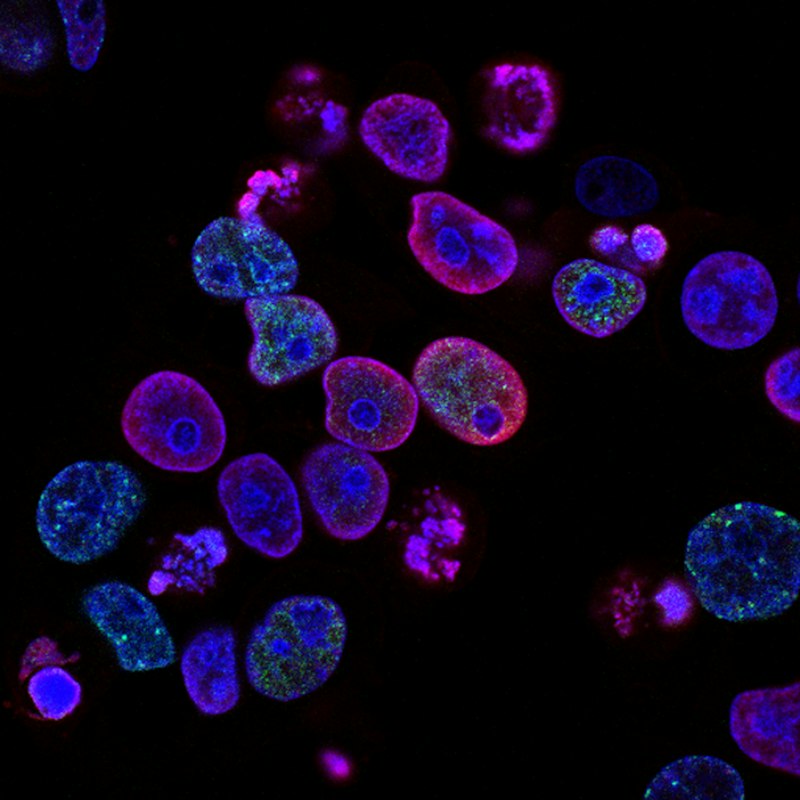
Left: Precision genome editing with CRISPR-Cas9. Right: Tissue culture regeneration of edited plants. © Unsplash
4.1 Tissue Culture & Somatic EmbryogenesisPlant cells are totipotent — a single cell can regenerate an entire organism. Tissue culture exploits this: small explants (leaf discs, immature embryos, anthers) are grown on synthetic media containing precisely formulated plant growth regulators, regenerating shoots and roots. Applications include:
- Doubled Haploidy (DH): Anther or microspore culture produces haploid plants, which are then chromosome-doubled with colchicine to yield instantly homozygous DH lines — compressing 6+ generations to 1 year.
- Somatic hybridisation: Fusion of protoplasts from two species — bypassing sexual incompatibility barriers — to create novel hybrids, as done in Citrus and Solanum improvement.
- Cryopreservation: Long-term storage of germplasm and elite lines at liquid nitrogen temperatures, providing insurance against genetic erosion.
Transgenic technology — inserting a gene from any organism into the plant genome via Agrobacterium tumefaciens or biolistics (gene gun) — enabled traits impossible through conventional crossing. Landmark achievements include:
- Bt maize and cotton: Expression of the Bacillus thuringiensis crystal protein gene confers resistance to major lepidopteran pests, dramatically reducing insecticide use.
- HT crops: Herbicide-tolerant soybeans, canola, and maize transformed global farming economics — though generating legitimate ecological debate.
- Golden Rice: Engineering provitamin A biosynthesis into rice endosperm to address vitamin A deficiency affecting millions of children in Asia and Africa.
- Banana Xanthomonas wilt resistance: The sweet pepper Hrap gene transferred to East African bananas offers hope against a devastating pathogen with no conventional resistance source.
CRISPR (Clustered Regularly Interspaced Short Palindromic Repeats) has transformed precision plant improvement. Unlike transgenic approaches, CRISPR can make targeted edits — insertions, deletions, base changes — at exact genomic locations, guided by a short RNA molecule. Key advantages:
- Precision: Edits can be made at single-nucleotide resolution, mimicking naturally occurring mutations.
- Speed: Editing the MLO gene for powdery mildew resistance in wheat took months; conventional introgression would have taken decades.
- Regulatory pathways: In many jurisdictions (USA, Argentina, Brazil, Japan), CRISPR edits that introduce no foreign DNA are not regulated as GMOs — accelerating routes to market.
- Climate adaptation: Editing flowering-time genes to develop earlier-maturing varieties suited to shorter, hotter growing seasons — without losing yield potential.

Yield, resilience, nutrition — the three pillars of modern variety development. © Unsplash
Yield in cereals is the product of spikes per unit area, grains per spike, and individual grain weight. Breeders manipulate all three. The Green Revolution concentrated on the first breakthrough: dwarfing genes (Rht-B1b in wheat, sd1 in rice) shortened straw, redirected assimilates to grain, and enabled dense planting without lodging — doubling yields across Asia in the 1960s–70s.
5.2 Biotic Stress Resistance- Fungal pathogens: Rust diseases (Puccinia spp.) alone can destroy 70% of a wheat crop. Breeding has deployed hundreds of resistance genes — a moving target as pathogen races evolve.
- Insect pests: Stem borer, aphids, whitefly. Host plant resistance reduces pesticide dependency and is especially critical for smallholders who cannot afford inputs.
- Parasitic weeds: Striga (witchweed) devastates sorghum and maize in sub-Saharan Africa. IR-Maize and Striga-resistant sorghums from ICRISAT have changed livelihoods.
- Drought: Root architecture (depth, angle), stomatal regulation, ABA sensitivity, osmotic adjustment — a complex multigenic phenotype that remains the holy grail. NERICA rice varieties brought partial tolerance to West African uplands.
- Flooding: Sub1A QTL in rice confers 14-day submergence survival — saving crops across Bangladesh and India. Over 5 million farmers now grow Sub1 varieties.
- Heat: Pollen viability declines sharply above 35°C. Breeding for heat-stable pollen and early-morning flowering has produced maize varieties suited to warming tropics.
- Salinity: Sodium exclusion via HKT1 transporters, tissue tolerance, and osmotic adjustment. IRRI's Saltol QTL donor Pokkali is used in dozens of breeding programmes.
HarvestPlus and allied programmes have developed biofortified staples through conventional breeding and gene editing — addressing hidden hunger affecting over 2 billion people:
| Crop | Target Nutrient | Intervention | Countries Deployed |
|---|---|---|---|
| Orange sweet potato | Provitamin A | Conventional breeding | Uganda, Rwanda, Mozambique |
| Iron-zinc bean | Iron & Zinc | Conventional MAS | Rwanda, DR Congo, Honduras |
| Quality Protein Maize (QPM) | Lysine & Tryptophan | Modified opaque-2 gene | Ethiopia, Ghana, Zambia |
| Zinc rice | Zinc | MAS with GWAS QTLs | Bangladesh, Philippines |
| Low-phytate maize | Phosphorus bioavailability | Mutagenesis + selection | Latin America |
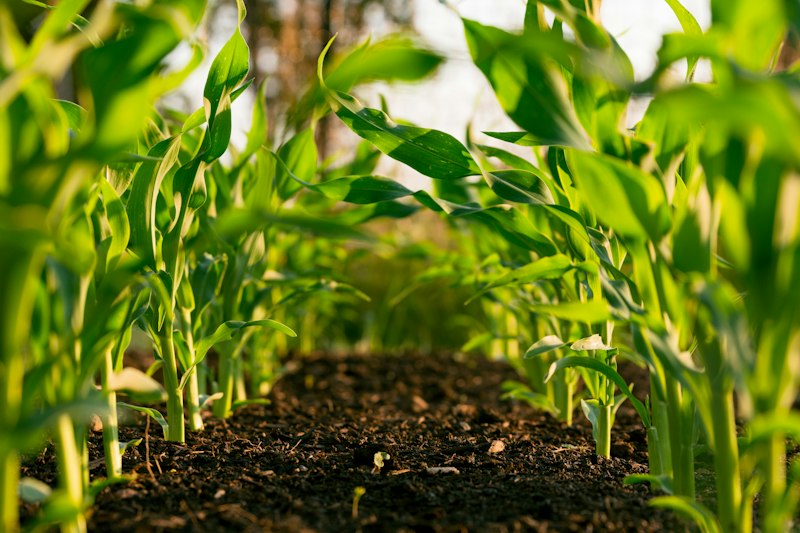

Hybrid seed maize (left) and sunflower (right) — crops where heterosis has been commercially mastered. © Unsplash
Hybrids exploit heterosis (hybrid vigour) — the superior performance of F₁ offspring over both parents for traits like yield, uniformity, and stress tolerance. Commercial hybrid production requires:
- Inbred line development: Years of self-pollination to produce homozygous, genetically fixed inbred parents (often with poor individual performance but excellent combining ability).
- Cytoplasmic Male Sterility (CMS): Mitochondrially encoded pollen abortion prevents self-fertilisation of the female parent in seed production fields — eliminating costly emasculation. CMS systems exist in maize, rice, sorghum, sunflower, and many vegetables.
- Testcross evaluation: Hundreds of inbred lines are crossed to a common tester; those with highest general combining ability (GCA) advance to hybrid development.
Hybrid seed must be purchased fresh each season — farmers cannot save seed, as F₂ offspring segregate and lose uniformity. This creates both productivity gains and economic dependency. Open-pollinated improved varieties (OPVs) remain crucial for food sovereignty, seed system resilience, and low-income farming communities.
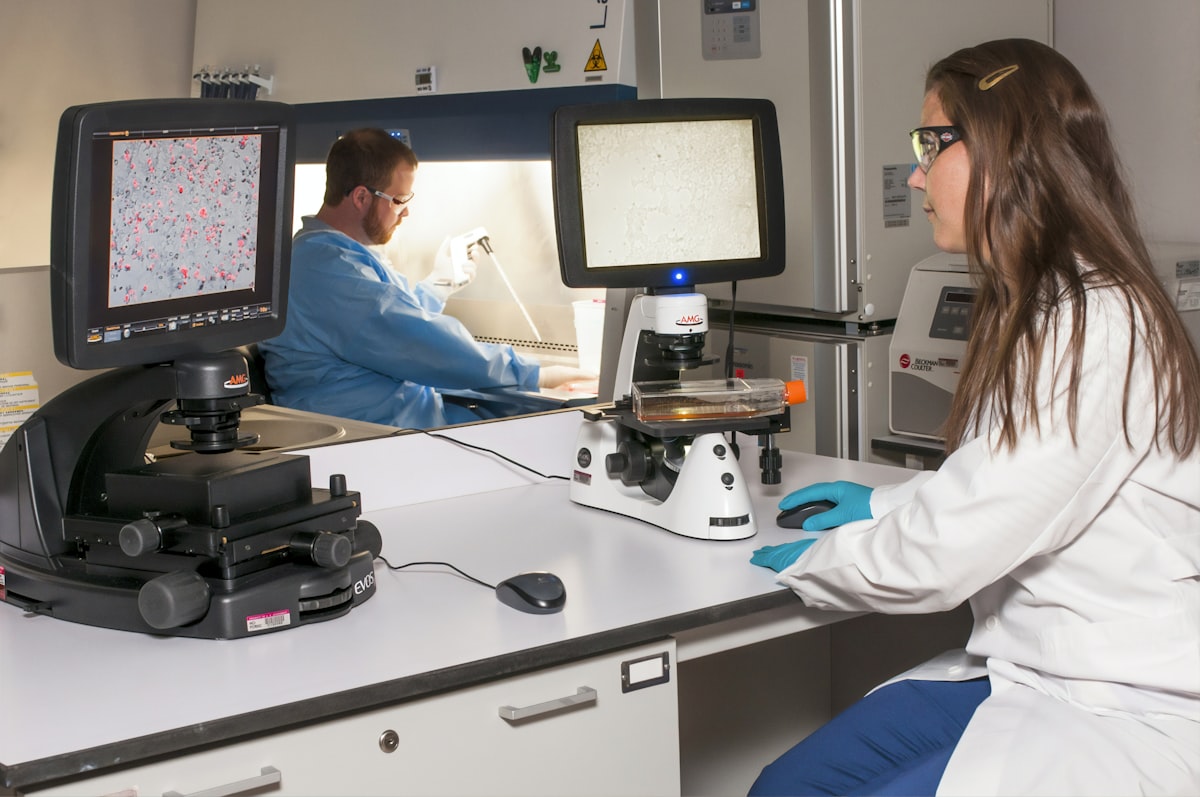
Global seed vaults safeguard the raw material of plant breeding — genetic diversity. © Unsplash
No improved variety can exist without raw genetic material to mine. The world's germplasm banks collectively conserve over 7 million accessions of crop plants, wild relatives, and landraces — an irreplaceable library of genetic diversity accumulated over 10,000 years of agriculture.
- CGIAR Centres: IRRI holds 132,000+ rice accessions; CIMMYT maintains 150,000+ wheat and maize samples; ICARDA preserves 150,000+ barley, lentil, and faba bean entries — many sourced from the Fertile Crescent.
- Svalbard Global Seed Vault: Doomsday backup for 1.4 million seed samples from 86 depositing institutions, stored in permafrost at −18°C on a Norwegian Arctic island.
- National genebanks: The USDA GRIN system, IPK Gatersleben (Germany), N.I. Vavilov Institute (Russia), and hundreds of national collections provide frontline access to breeders.
- Wild relatives: Wheat's wild relative Aegilops tauschii has contributed the D genome — including pest resistance genes absent from cultivated germplasm. Wild tomatoes from Peru carry extraordinary disease resistance not found in commercial lines.

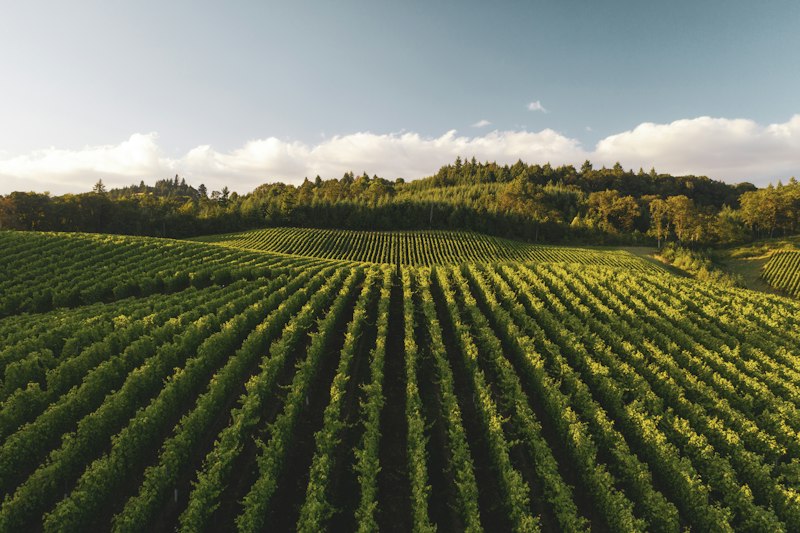
Digital agriculture: sensors, drones, AI, and genomics converging to accelerate variety development. © Unsplash
The next frontier of plant breeding is digital. Three converging revolutions are reshaping how varieties are developed, evaluated, and deployed:
High-Throughput Phenotyping
Drones, RGB + multispectral + thermal cameras, LiDAR, ground robots, and automated image analysis platforms generate phenotypic data at scale — replacing clipboard-and-tape-measure fieldwork with terabytes of plant-level observations.
Machine Learning & Deep Learning
Neural networks trained on canopy images predict yield, disease scores, and maturity dates. Reinforcement learning optimises crossing schemes and selection indices. AI accelerates the identification of favourable trait combinations in silico before a single cross is made.
Pangenomics & Multi-Omics
A single reference genome is no longer sufficient. Pangenome graphs capturing the full genetic diversity of a species — integrated with transcriptomics, metabolomics, and epigenomics — reveal regulatory networks invisible to single-genome studies.
Developed at the University of Queensland and John Innes Centre, speed breeding uses controlled LED lighting providing 22-hour photoperiods, accelerated temperature cycling, and early-harvest protocols to complete 6 generations of wheat, barley, and chickpea per year — compared to 1–2 generations in traditional glasshouse conditions. Combined with genomic selection, this compresses a 15-year breeding cycle to under 5 years.
Regardless of which breeding methods produce a new variety, it must navigate regulatory systems before reaching farmers. These systems exist to ensure that released varieties are genuinely superior, stable, and safe — but poorly designed systems can become bottlenecks that delay farmers' access to improved seed by years.
9.1 DUS TestingUnder UPOV (International Union for the Protection of New Varieties of Plants) conventions, varieties must be shown to be Distinct from existing varieties, Uniform across plants, and Stable across generations. DUS testing is conducted under standardised conditions by national authorities and typically takes 2–3 growing seasons.
9.2 Value for Cultivation and Use (VCU)In addition to DUS, many countries require VCU demonstration — the new variety must show measurable agronomic advantage over existing check varieties in multi-location trials. VCU data feeds into national recommended variety lists (NVLs) that guide seed system operators and extension services.
9.3 Biosafety Regulation for Biotechnology ProductsTransgenic varieties require additional layers of biosafety review — environmental risk assessment, human and animal food safety assessment, and socioeconomic analysis in some jurisdictions. Approval timelines range from 3 years (USA) to 10+ years (EU, parts of Africa), creating stark disparities in access to biotechnology tools between developed and developing world farmers.
10. Breeding for Climate Resilience
Two faces of climate stress: devastating drought (left) and catastrophic flooding (right). © Unsplash
Climate change is altering growing conditions faster than traditional breeding cycles can respond. Temperature anomalies, shifting rainfall patterns, increased frequency of extreme events, rising CO₂ concentrations, and expanding ranges of pests and pathogens require varieties that are not just high-yielding under ideal conditions, but stable and resilient across a wide range of adversities.
- Heat-tolerant pollination: Identifying and breeding for pollen viability at 38–42°C — a critical trait as Sahel, South Asia, and MENA growing seasons become lethally hot during anthesis.
- Water use efficiency (WUE): Stomatal regulation, root architecture, and transpiration efficiency traits allow varieties to produce more biomass per litre of water — critical where groundwater is depleting.
- Emerging pests: Fall armyworm (Spodoptera frugiperda) invaded Africa in 2016 and now threatens 300 million smallholder farmers. CIMMYT, IITA, and partners are fast-tracking maize and sorghum resistance breeding.
- Coastal salinity: Sea-level rise is salinising coastal croplands. Varieties tolerant to waterlogging combined with NaCl stress require stacking multiple tolerance mechanisms.
🌱 Plant Breeding: Humanity's Most Essential Science
From Mendel's pea garden to CRISPR-edited climate-resilient supercrops, plant breeding and genetics represent an unbroken chain of scientific endeavour in service of human nutrition and survival. RAMSPROZONE is committed to making this knowledge freely available — because the next breakthrough may come from a researcher in Addis Ababa, a student in Manila, or a farmer-innovator in the Punjab. The improved variety that feeds tomorrow is being crossed, selected, and tested today.
- Acquaah, G. (2012). Principles of Plant Genetics and Breeding. Wiley-Blackwell. — The definitive textbook for students and practitioners.
- Moose, S.P. & Mumm, R.H. (2008). Molecular Plant Breeding as the Foundation for 21st Century Crop Improvement. Plant Physiology, 147, 969–977.
- Varshney, R.K. et al. (2021). 10 Lessons Every Geneticist Should Learn from Polyploid Plant Breeding. Nature Plants, 7, 1206–1212.
- HarvestPlus: harvestplus.org — Biofortification evidence, varieties, and deployment data.
- CIMMYT: cimmyt.org — International Maize and Wheat Improvement Center resources.
- IRRI: irri.org — International Rice Research Institute publications and germplasm.


0 Comments