
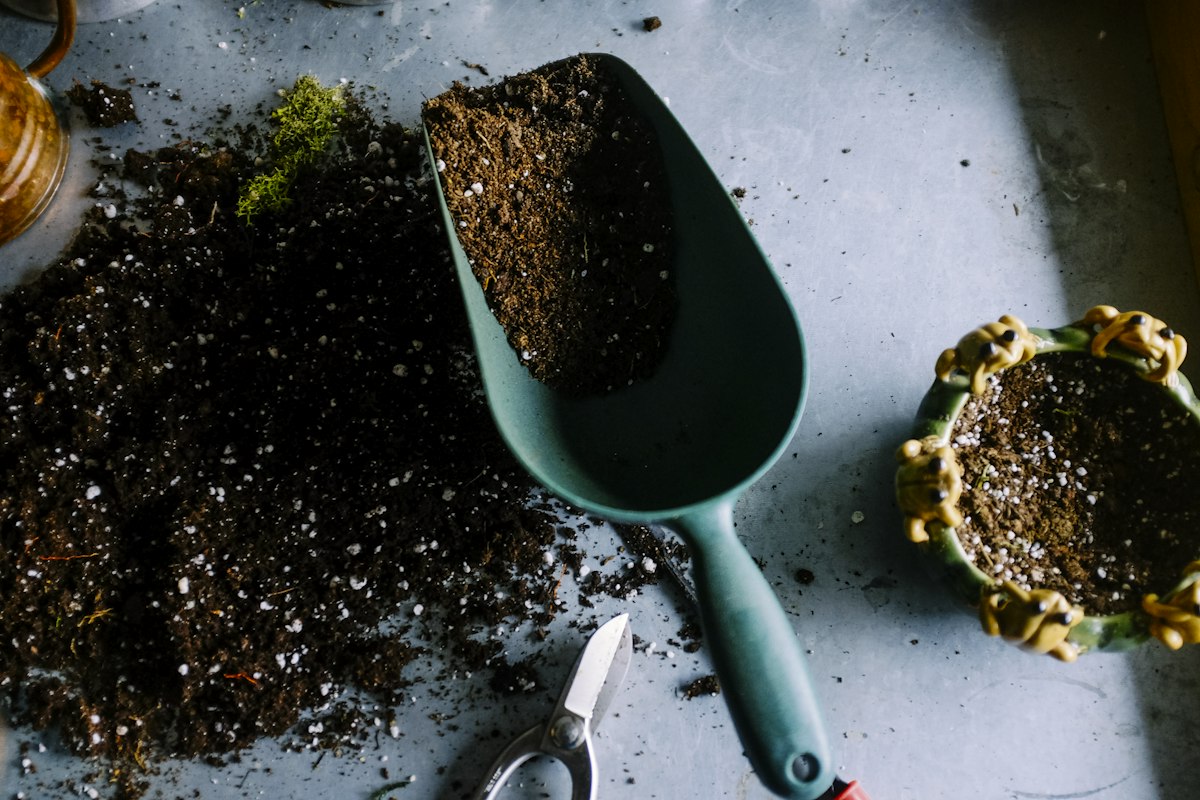
Propagation from Seeds

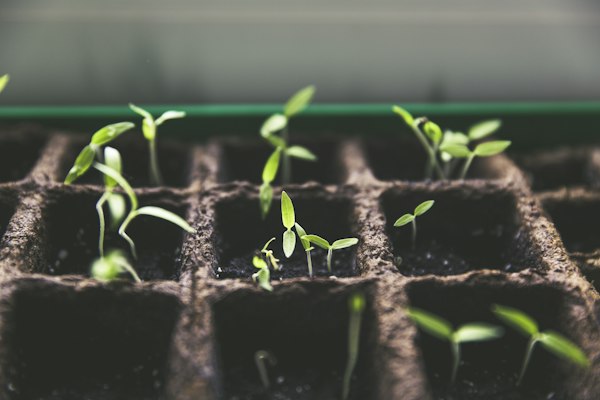
Seed propagation is the most natural and widely practised method of growing new plants. Seeds contain the genetic blueprint of the parent plant and, under the right conditions of moisture, warmth, and oxygen, they germinate and develop into independent plants. This method is ideal for annuals, vegetables, herbs, and many wildflowers.
Why Choose Seed Propagation?
- Low cost: Seeds are inexpensive and available worldwide for almost every plant species.
- High volume: A single packet can produce hundreds of plants simultaneously.
- Genetic diversity: Seeds from open-pollinated plants introduce slight variations that can improve adaptability.
- Disease-free start: Fresh seeds from certified sources are generally free of soil-borne pathogens.
Step-by-Step: Sowing Seeds Successfully
Select Quality Seeds
Choose fresh, certified seeds from reputable suppliers. Check the packet date — germination rates drop significantly after 2–3 years of storage.
Prepare the Growing Medium
Use a sterile, fine-textured seed-starting mix. Avoid heavy garden soil — it compacts and prevents delicate roots from penetrating.
Sow at the Right Depth
A general rule: sow seeds at a depth equal to twice their diameter. Tiny seeds (like lettuce) are scattered on the surface and lightly pressed in.
Maintain Moisture & Warmth
Keep the medium consistently moist but not waterlogged. Most seeds germinate best between 18–24°C (65–75°F). A heat mat speeds up germination.
Thin & Transplant Seedlings
Once seedlings develop their first true leaves, thin to prevent overcrowding. Harden off indoor seedlings by gradually exposing them to outdoor conditions over 7–10 days.
Propagation by Cuttings

Cuttings are segments of a plant — stems, leaves, or roots — that are removed and induced to form roots, producing a new plant genetically identical to the parent. This is one of the fastest and most reliable vegetative propagation methods, widely used for houseplants, shrubs, roses, herbs, and fruit bushes.
Types of Stem Cuttings
- Softwood cuttings (spring/summer): Taken from new, soft growth tips. Ideal for herbs (basil, mint), fuchsias, and impatiens. Roots quickly in 1–3 weeks.
- Semi-hardwood cuttings (late summer): Taken from partially matured wood. Works well for camellias, gardenias, and azaleas.
- Hardwood cuttings (winter): Taken from fully dormant, mature wood. Excellent for roses, willows, currants, and dogwoods. Slow to root but very forgiving.
- Leaf cuttings: A single leaf (or leaf + petiole) produces an entirely new plant. Used for succulents, begonias, African violets, and snake plants.
- Root cuttings: Sections of root are planted horizontally; new shoots emerge. Effective for oriental poppies, phlox, and horseradish.
Taking a Perfect Stem Cutting
Choose a Healthy Shoot
Select a non-flowering shoot with at least 2–3 leaf nodes. Morning is the best time — plants are fully hydrated.
Make a Clean Cut
Use a sharp, sterilised blade. Cut just below a node at a 45° angle. A 10–15 cm (4–6 inch) cutting is ideal for most plants.
Remove Lower Leaves & Apply Rooting Hormone
Strip leaves from the bottom third. Dip the cut end into rooting hormone powder or gel to stimulate root formation.
Insert into Rooting Medium
Push into moistened perlite, coarse sand, or a 50/50 mix of peat and perlite. You can also root many soft cuttings directly in clean water.
Create a Humid Environment
Cover with a clear plastic bag or propagation dome to retain humidity. Place in bright, indirect light. Check for rooting after 2–6 weeks by gently tugging the cutting.

Grafting — Advanced Plant Joining

Grafting is a sophisticated technique where a portion of one plant (the scion) is joined to the root system of another plant (the rootstock). When the vascular tissues — particularly the cambium layer — align and fuse, the scion grows using the rootstock's established root system. Grafting is essential in fruit tree production, rose cultivation, and in overcoming soil-borne diseases.
Major Grafting Techniques
- Whip-and-tongue grafting: Both scion and rootstock are cut at matching angles with interlocking tongues. Ideal for stems of equal diameter (pencil-width). Common for apples, pears, and grapes.
- Cleft grafting: The rootstock is split and two scions are inserted. Excellent for top-working large trees and for rootstocks thicker than the scion.
- Bark (rind) grafting: Scions are inserted under the loose bark of the rootstock. Best done in spring when bark slips easily. Used for established fruit trees.
- Side-veneer grafting: A shallow cut is made in the rootstock's side and the scion is inserted. Widely used for conifers, Japanese maples, and ornamental trees.
- Approach grafting (inarching): Both plants remain rooted while being joined. Once the union is successful, the scion is severed from its own roots. Used for avocado and mango.
Keys to a Successful Graft Union
Cambium Alignment is Everything
The cambium (green layer just beneath bark) of scion and rootstock must touch on at least one side. Perfect alignment on both sides doubles success rates.
Work Quickly to Prevent Drying
Prepare cut surfaces swiftly. Exposed cambium dries in minutes. Keep scions wrapped in damp cloth until the moment of union.
Secure with Grafting Tape
Wrap the union firmly with grafting tape, rubber budding strips, or parafilm. Seal with grafting wax to exclude air and pathogens.
Maintain High Humidity & Warmth
Place grafted plants in a humid propagation chamber at 18–24°C. Avoid direct sun until the union calluses (2–4 weeks).
Budding — Precision Single-Bud Grafting
Budding is a form of grafting where a single bud, rather than a full shoot, is transferred from a scion plant to a rootstock. It is one of the most efficient propagation methods commercially — one parent plant can provide hundreds of buds. Roses, stone fruits (peaches, cherries, plums), citrus, and ornamental trees are commonly propagated this way.
Common Budding Methods
- T-budding (shield budding): A T-shaped cut is made in the rootstock bark and a shield-shaped bud from the scion is inserted underneath. The most widely used budding technique globally — especially for roses and citrus.
- Chip budding: A chip containing a bud is removed from the scion and fitted into a matching cut in the rootstock. Works even when bark is not slipping — usable year-round.
- Patch budding: A rectangular patch of bark bearing a bud is transferred to the rootstock. Used for thick-barked plants like walnuts and pecans.
Layering — Rooting While Still Attached
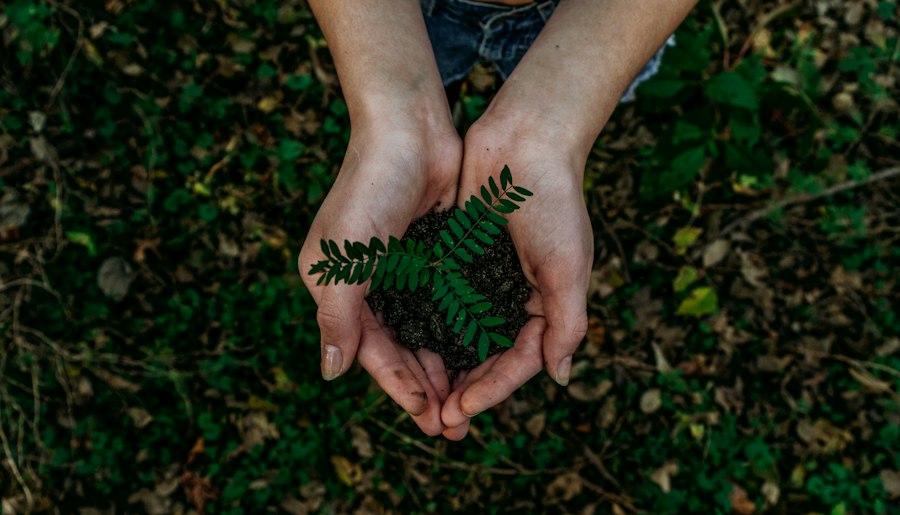
Layering encourages a stem to produce roots while it is still attached to the parent plant. This means the developing plant receives water and nutrients from the parent until it is fully self-sufficient — making layering ideal for plants that are difficult to root from cuttings, such as magnolias, rhododendrons, and many fruit trees.
Types of Layering
- Simple layering: A low-growing stem is bent to the ground, a small section is wounded (a notch or ring of bark removed), buried in soil, and pegged down. Roots form at the wound. Used for forsythia, climbing roses, and jasmine.
- Air layering (marcotting): A section of stem is wounded, surrounded by moist sphagnum moss, and wrapped tightly in plastic film. Roots grow into the moss. Ideal for trees and shrubs that cannot be bent to the ground — figs, rubber plants, magnolias.
- Tip layering: The tip of a cane is buried in soil; it naturally arches, roots where buried, and sends up a new shoot. Perfect for raspberries and blackberries.
- Compound (serpentine) layering: A long, flexible stem is buried in multiple places along its length, creating several new plants from one stem. Used for wisteria, Virginia creeper, and honeysuckle.
Air Layering — Step by Step
Select a Healthy Stem
Choose a pencil-thick stem from the current or previous year's growth, 30–45 cm from the tip.
Remove Bark or Make Incisions
Remove a 3–4 cm ring of bark (girdling) or make two parallel cuts 3 cm apart and remove the bark between them. Scrape away the cambium to prevent bridging.
Apply Rooting Hormone & Moist Moss
Dust the wound with rooting hormone powder. Pack a generous handful of damp sphagnum moss (not dripping) around the wound area.
Wrap Tightly in Clear Plastic
Wrap the moss ball in a 30 cm square of clear polythene film, sealing both ends tightly with grafting tape. Clear film lets you see root development.
Sever and Pot Up
After 6–12 weeks, when roots are visible through the plastic, sever the stem below the moss ball. Remove the plastic carefully, pot into a well-draining mix, and keep in a sheltered, shaded spot for 2–4 weeks.
Division — Multiply Clumping Plants
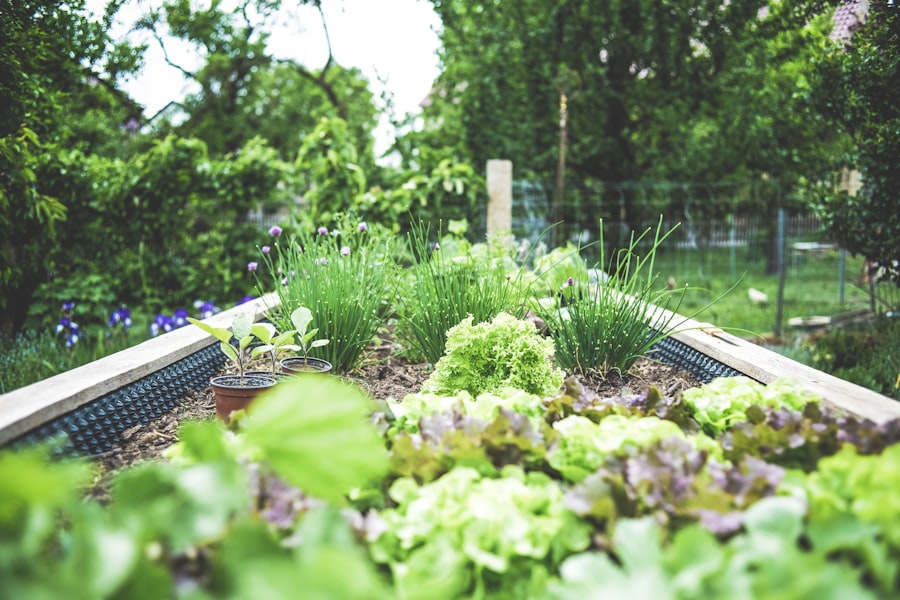
Division is the simplest and most immediate propagation method for clumping perennials, ornamental grasses, bulbs, rhizomes, and tubers. By physically separating a mature clump into several sections, each with roots and shoots attached, you instantly create multiple new plants. Division also rejuvenates older plants that have become woody or congested in the centre.
Plants Best Propagated by Division
- Perennial flowers: Hostas, daylilies, rudbeckia, echinacea, astilbe, and ornamental sedums all respond enthusiastically to division.
- Ornamental grasses: Pampas grass, miscanthus, and liriope form dense clumps that divide easily, though they may require a sharp spade or saw.
- Bulbs & rhizomes: Bearded iris, canna lily, ginger, and turmeric are divided by separating rhizomes, each with a healthy bud or "eye."
- Tubers: Dahlias and potatoes are divided by cutting tubers, ensuring each section has at least one eye (growth bud). Allow cut surfaces to cure in air for 24 hours before planting.

Propagation Method Comparison
Use this quick-reference table to choose the best propagation method for your plants, skill level, and timeline.
| Method | Skill Level | Time to New Plant | Best For | Genetic Result |
|---|---|---|---|---|
| Seeds | Beginner | 2–16 weeks | Annuals, vegetables, herbs, wildflowers | Variable (sexual) |
| Stem Cuttings | Beginner–Intermediate | 2–8 weeks | Herbs, roses, houseplants, shrubs | Identical clone |
| Leaf Cuttings | Beginner | 4–12 weeks | Succulents, begonias, African violets | Identical clone |
| Grafting | Advanced | 1 growing season | Fruit trees, roses, ornamental trees | Scion clone on different roots |
| Budding | Intermediate–Advanced | 1 growing season | Roses, stone fruits, citrus | Scion clone on different roots |
| Simple Layering | Beginner | 4–12 weeks | Climbing roses, jasmine, forsythia | Identical clone |
| Air Layering | Intermediate | 6–16 weeks | Magnolias, figs, rubber plants | Identical clone |
| Division | Beginner | Instant (same season) | Perennials, grasses, bulbs, rhizomes | Identical clone |
Essential Propagation Tools & Media
Must-Have Tools
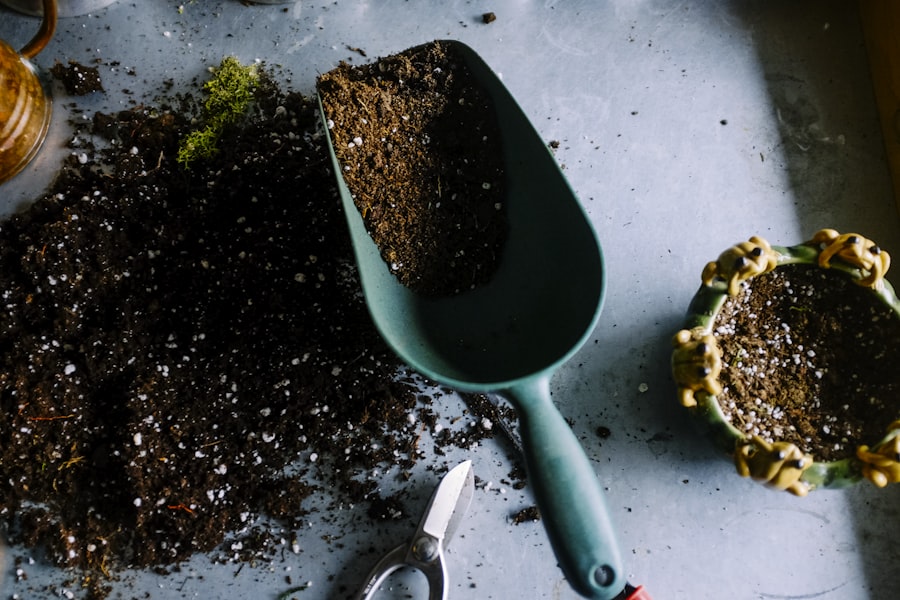
- Sharp bypass pruners / scalpel: Clean cuts prevent crushing of stem tissues. Sterilise with 70% isopropyl alcohol between plants.
- Propagation trays with cells: Modular trays allow individual seedlings to develop without root competition.
- Propagation dome / humidity tent: Maintains 80–90% relative humidity, essential for cuttings before roots form.
- Heat mat & thermostat: Maintains optimal soil temperature (21–24°C) for year-round propagation.
- Rooting hormone (IBA): Indole-3-butyric acid, available as powder, gel, or liquid, dramatically improves rooting speed and success rates.
- Grafting knife & tape: A dedicated grafting knife with a straight blade makes precise cuts; grafting tape or parafilm secures unions without damaging bark.
Best Rooting Media Explained
- Perlite: Volcanic glass granules that provide excellent aeration and drainage. Ideal for cuttings. Sterile and pH-neutral.
- Vermiculite: Expanded mineral with good water-holding capacity. Often mixed 50/50 with perlite for cuttings. Excellent for seed germination.
- Sphagnum moss: Living or dried moss with exceptional water retention and natural antimicrobial properties. Essential for air layering.
- Coco coir: Coconut fibre byproduct — sustainable, excellent aeration and moisture retention. A peat-free alternative for seed starting and cuttings.
- Coarse horticultural sand: Improves drainage in mixes; never use beach or builder's sand (too fine and may contain salt).
Grow More. Share More. Propagate the World. 🌍
Whether you're sowing a packet of tomato seeds on your windowsill, grafting rare apple varieties onto hardy rootstocks, or air-layering a prized magnolia that can't be moved — plant propagation is one of the most rewarding skills in horticulture. Each method has its season, its ideal plants, and its unique satisfaction. Start simple, experiment boldly, and share your new plants with your community. At RAMSPROZONE, we believe that every gardener who propagates a plant is growing not just another specimen, but a piece of living heritage to pass forward.


0 Comments