
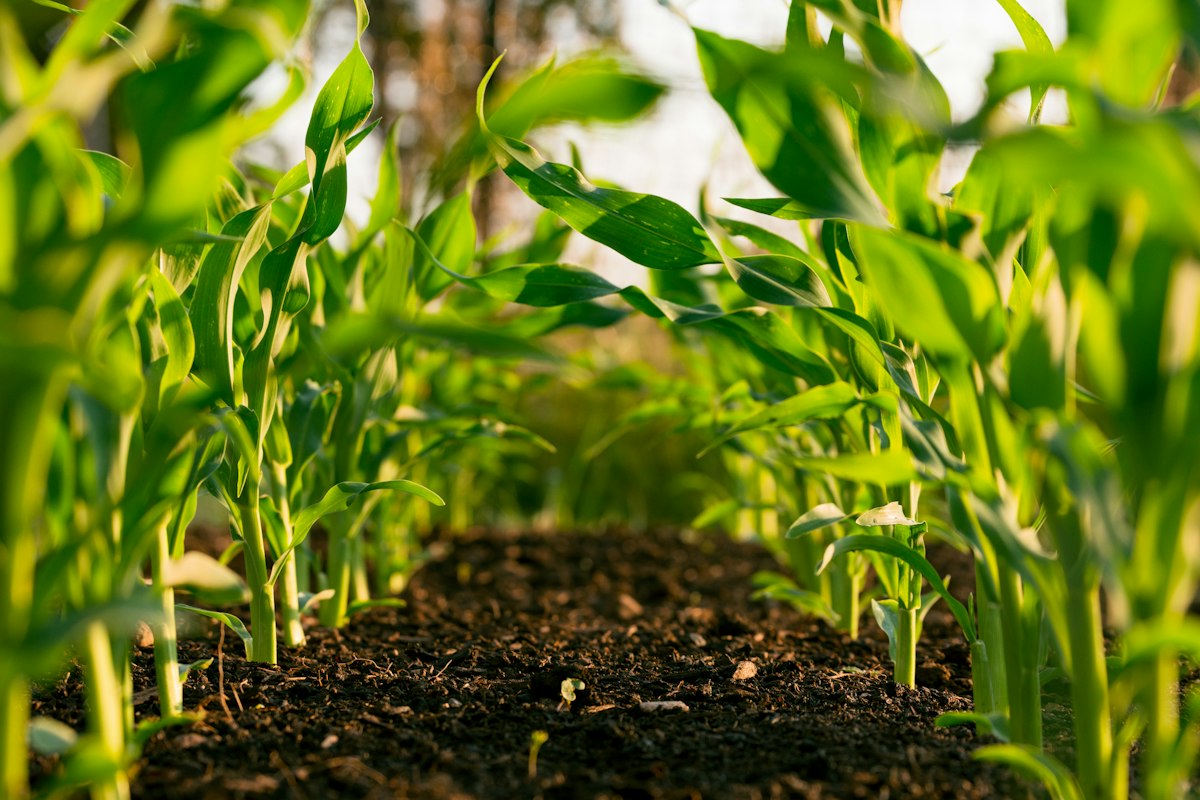
Every year, approximately one-third of all food produced for human consumption — around 1.3 billion tonnes — is lost or wasted globally. Post-harvest technology stands as humanity's most powerful weapon against this crisis. From precision drying chambers in Punjab to cold-chain logistics networks in the Netherlands, the science and practice of post-harvest management determines whether a farmer's labor feeds a family or rots in a warehouse. This RAMSPROZONE guide explores every dimension of this critical field.
🌾 What Is Post-Harvest Technology?
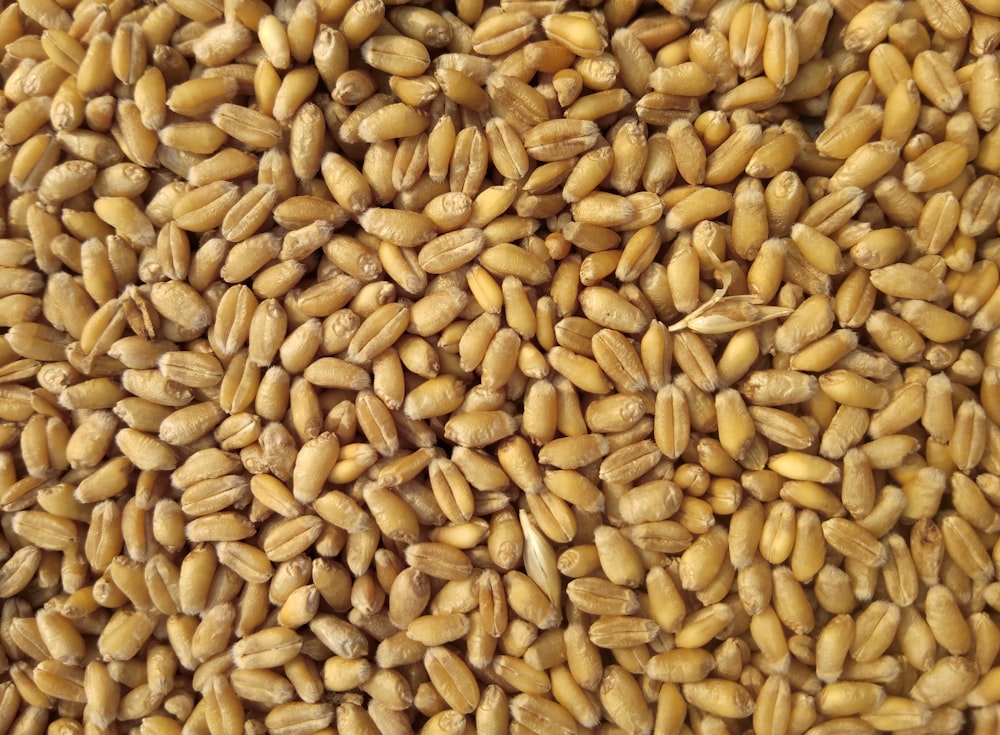
📷 Grain quality inspection — the first step in post-harvest management. Photo: Unsplash (Free)
Post-harvest technology (PHT) refers to the applied science and practices used to handle, store, preserve, process, package, and distribute agricultural produce after it has been harvested from the field. Its primary objectives are to maintain quality, minimise losses, extend shelf life, and maximise economic value for farmers and the entire supply chain.
Unlike farming practices that focus on growing crops, PHT begins the moment a crop is cut, picked, or uprooted. It bridges the gap between the farm gate and the consumer's plate, encompassing everything from simple sun-drying techniques used by smallholder farmers to high-tech controlled-atmosphere storage facilities operated by multinational food corporations.
📌 Key Definition
Post-harvest losses (PHL) include any decrease in quantity or quality of food produce between harvest and consumption. In developing nations, PHL can account for 25–40% of total crop production — a staggering economic and humanitarian cost.
1.3B
Tonnes of food lost annually worldwide
40%
of food lost in developing nations post-harvest
$940B
Economic cost of global food loss per year (FAO)
📋 The Five Phases of Post-Harvest Management

📷 Grading and sorting workers at a produce facility.
Post-harvest management is not a single activity but a structured sequence of interconnected phases, each critical to preserving food quality and reducing loss.
Harvesting & Field Handling
The timing of harvest is the single most important factor in quality preservation. Harvesting too early or too late causes irreversible quality loss. Field handling includes careful manual or mechanical cutting, avoiding bruising, and immediately moving produce to a shaded or cool area to prevent heat stress.
Cleaning, Sorting & Grading
Once harvested, produce is cleaned to remove soil, debris, and contaminants. Sorting separates damaged or diseased items from healthy ones, while grading classifies produce by size, weight, colour, and quality — directly impacting market price and consumer acceptance.
Pre-cooling & Curing
Pre-cooling rapidly removes field heat from fresh produce, dramatically slowing respiration and microbial growth. Curing — used for root crops like potatoes and sweet potatoes — involves holding produce at specific temperature and humidity levels to heal surface wounds and form a protective skin layer.
Storage
Proper storage environments — controlling temperature, humidity, and atmospheric gas composition — are fundamental to extending shelf life. Storage technologies range from simple hermetic bags for smallholder farmers to sophisticated modified-atmosphere warehouses used by large exporters.
Transportation, Packaging & Marketing
The final phase involves moving produce efficiently through the supply chain with minimum physical damage. Packaging protects, preserves, and communicates quality. Cold-chain logistics maintain required temperatures from the farm to retail shelves and ultimately the consumer's home.
🏭 Modern Storage Technologies
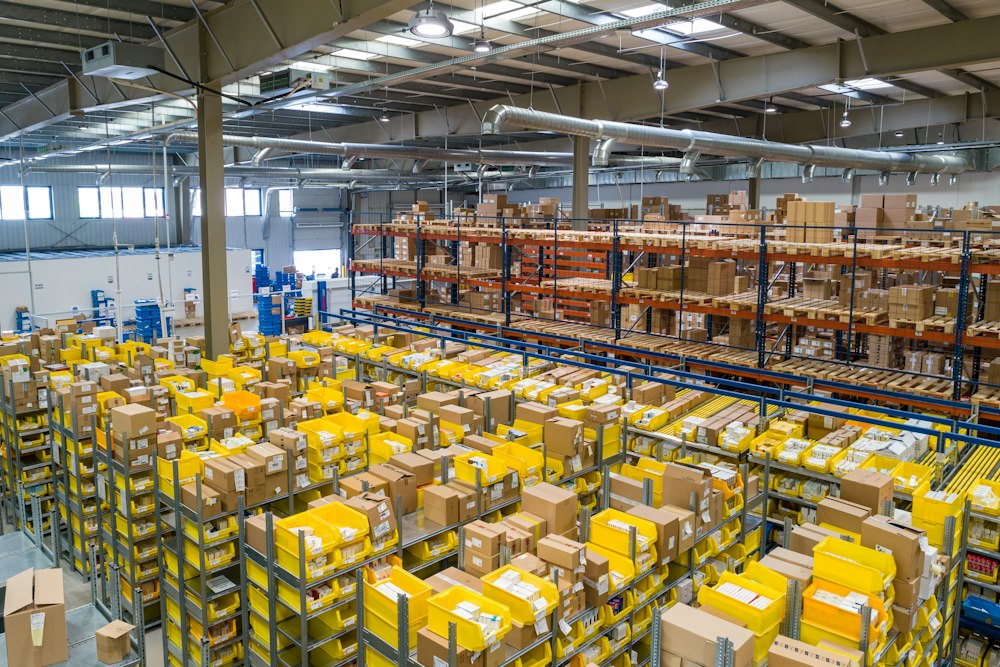
📷 Cold storage facility for fresh produce. Photo: Unsplash (Free)
Ambient & Traditional Storage
In regions where electricity is unreliable or unaffordable, traditional storage methods remain vital. Underground pit storage, thatched granaries, and mud-walled stores utilise the earth's thermal mass to maintain relatively stable temperatures. Hermetic storage technologies — including triple-layer plastic bags (PICS bags) and metal silos — have transformed grain storage for smallholder farmers by creating an oxygen-depleted environment that kills insects and prevents mould growth without chemical pesticides.
Refrigerated Cold Storage
Conventional cold storage uses mechanical refrigeration to maintain temperatures typically between 0°C and 10°C, depending on commodity. It is the backbone of fresh produce preservation globally. Modern cold stores are insulated with polyurethane panels, equipped with precise temperature and humidity controllers, and monitored via IoT sensors that alert managers to any anomalies in real time.
Controlled Atmosphere (CA) & Modified Atmosphere (MA) Storage
Controlled Atmosphere storage actively regulates oxygen (O₂), carbon dioxide (CO₂), and nitrogen (N₂) levels to dramatically slow produce respiration and delay senescence. Apple exporters in New Zealand and Washington State regularly store fruit for 9–12 months using CA technology. Modified Atmosphere Packaging (MAP) applies the same principle at the individual pack level, flushing packaging with specific gas mixtures before sealing.

Evaporative Cooling Technologies
In arid climates, evaporative cooling offers a low-cost, off-grid solution. The Zeer pot (pot-in-pot cooler), developed for sub-Saharan Africa, can keep tomatoes fresh for 20 days instead of 2 by using evaporation of water through moist sand between two clay pots. Brick-built evaporative cool chambers, sometimes called "cool rooms," serve entire farming communities in India and Ethiopia at a fraction of mechanical refrigeration costs.
⚠️ Causes of Post-Harvest Loss: A Global Analysis

📷 Food waste — a preventable global crisis. Photo: Unsplash (Free)
Understanding why food is lost after harvest is the first step toward preventing it. Causes operate at biological, physical, mechanical, and socioeconomic levels, and vary dramatically between developed and developing regions.
| Category | Cause | Commodities Most Affected | Estimated Loss (%) |
|---|---|---|---|
| Biological | Fungal & bacterial pathogens, insects, rodents, birds | Grains, fruits, vegetables | 10–30% |
| Physiological | Transpiration, respiration, ripening, senescence, chilling injury | Fruits, leafy vegetables, roots | 5–25% |
| Mechanical | Bruising, cutting, crushing during harvest and transport | Delicate fruits, root crops | 5–20% |
| Chemical | Pesticide residue contamination, mycotoxin accumulation | Grains, nuts, dried fruits | 2–15% |
| Socioeconomic | Poor infrastructure, lack of markets, price crashes, poor packaging | All commodities | Variable |
Regional Patterns of Loss
- Sub-Saharan Africa: Losses concentrated at farm level due to lack of storage facilities. Cereals and root crops lose up to 40% before reaching market.
- South & Southeast Asia: Rice post-harvest losses average 10–15% at threshing, drying, and milling stages. High humidity accelerates mould growth.
- Latin America: Fruits and vegetables suffer high losses during transport due to poor road infrastructure and inadequate refrigerated trucks.
- Developed Nations: Losses shift toward retail and consumer stages — over-purchasing, aesthetic rejection standards, and confusion over "best before" dates drive waste.
- Middle East & North Africa: Extreme heat and dust accelerate spoilage. Date palms and citrus fruits face significant quality loss without rapid cooling post-harvest.
⚙️ Processing & Value Addition in Post-Harvest Systems

📷 Primary food processing operations at an agro-industrial facility. Photo: Unsplash (Free)
Processing transforms raw agricultural commodities into stable, marketable, and value-added products. It is the most powerful mechanism for reducing perishability and increasing farmer income. A farmer selling fresh mangoes earns a fraction of what a processor selling mango pulp, dried slices, or juice earns for the same raw material.
Primary Processing
Primary processing involves basic transformations: threshing rice and wheat, hulling pulses, pressing oil seeds, milling grain, and drying fruits. These operations can be performed at the farm level or in small rural agro-processing centres, significantly reducing losses and opening new income streams for smallholder farmers.
Secondary Processing & Value Addition
Secondary processing converts primary products into finished food items — flour into bread, tomatoes into paste, fruits into juices or jams. Each processing step adds commercial value, extends shelf life, creates employment, and opens access to urban and export markets. Countries like Thailand, the Netherlands, and Brazil have built dominant positions in global food markets precisely by investing heavily in agro-processing infrastructure.
"The single greatest investment a developing nation can make in food security is not in production — it is in the preservation and processing of what is already grown."
— FAO State of Food and Agriculture ReportKey Processing Technologies Used Globally
- Drying & Dehydration: Solar drying, mechanical dryers, freeze-drying. Removes moisture to prevent microbial growth. Used for grains, herbs, spices, fruits.
- Freezing & Blast Freezing: Rapidly lowers temperature to −18°C or below, preserving texture, colour, and nutrition. Standard for vegetables, berries, meat, and fish.
- Heat Treatment & Pasteurisation: Kills pathogens through controlled heat application. Essential for juices, dairy, and liquid food products.
- Fermentation & Pickling: Microbial fermentation creates acidic environments hostile to spoilage organisms. Produces yoghurt, cheese, sauerkraut, kimchi, and fermented cereals.
- Modified Atmosphere Packaging (MAP): Seals produce in customised gas mixtures, dramatically extending retail shelf life without chemical preservatives.
- Irradiation: Exposes food to ionising radiation to kill insects, bacteria, and pathogens. Approved in over 60 countries for spices, grains, and fresh produce.
🚀 Technology & Innovation in Post-Harvest Science

📷 Digital and AI-driven innovations are transforming the post-harvest supply chain. Photo: Unsplash (Free)
The 21st century has brought a wave of technological innovation to post-harvest management. Digitisation, artificial intelligence, biotechnology, and advanced materials science are converging to create solutions that previous generations of agronomists could not have imagined.


📷 Left: Drone-based crop monitoring | Right: IoT sensor technology. Photos: Unsplash (Free)
AI & Machine Learning in Grading
Computer vision systems powered by deep learning algorithms can grade and sort produce at speeds and accuracy levels far beyond human capability. These systems detect bruising, discolouration, shape anomalies, and pest damage in real time on high-speed conveyor lines, replacing subjective human grading with objective, consistent standards that improve market access and reduce waste.
IoT-Enabled Smart Storage
Internet of Things (IoT) sensor networks continuously monitor temperature, relative humidity, CO₂ levels, and ethylene concentrations inside storage facilities. Real-time data streams to cloud platforms where algorithms detect deviations and alert facility managers instantly — often preventing catastrophic spoilage events that would otherwise go unnoticed until a routine inspection.
Blockchain for Supply Chain Transparency
Blockchain technology creates an immutable digital record of every step in the supply chain — from farm GPS coordinates and harvest date to storage conditions and retail delivery time. This transparency builds consumer trust, enables rapid food safety recalls, and helps smallholder farmers verify ethical sourcing premiums they are entitled to receive.
Edible & Biodegradable Coatings
Edible coatings made from chitosan (derived from crustacean shells), carnauba wax, aloe vera, or casein create a thin, invisible protective barrier on the surface of fruits and vegetables. These coatings reduce water loss, slow respiration, and inhibit surface mould growth — extending shelf life by 1–3 weeks without any plastic packaging and without altering flavour or appearance.
💡 RAMSPROZONE Innovation Spotlight
Nano-silver and zinc oxide nanoparticle-based antimicrobial packaging materials are emerging as game-changers in high-value produce export markets. Laboratory studies demonstrate 60–80% reduction in fungal contamination rates compared to conventional packaging — a development that could transform mango and strawberry export supply chains in Asia and Africa within the next decade.
🚛 Cold Chain Logistics: The Invisible Infrastructure

📷 Refrigerated transport — the critical link in the cold chain. Photo: Unsplash (Free)
The cold chain refers to the temperature-controlled supply chain through which perishable food products are kept at appropriate temperatures from production to consumption. A broken cold chain — even briefly — can undo weeks of careful storage and reduce premium produce to unmarketable waste within hours.
Components of an Effective Cold Chain
- Pre-cooling facilities at or near farm level to rapidly remove field heat within hours of harvest
- Refrigerated transport vehicles (reefer trucks, refrigerated railcars, temperature-controlled sea containers)
- Cold storage warehouses at wholesale markets, distribution centres, and export terminals
- Refrigerated retail display at supermarkets and food service outlets
- Temperature monitoring & data logging throughout every step of the chain
The global cold chain market was valued at over USD 270 billion in 2023 and is projected to exceed USD 450 billion by 2030 (Allied Market Research, 2024). The fastest growth is occurring in Asia-Pacific, particularly in India and China, where governments are making massive investments in cold chain infrastructure to reduce the staggering post-harvest losses in their horticultural sectors.
🌐 Policy, Investment & Global Initiatives

📷 Global food policy forums are increasingly prioritising post-harvest investment. Photo: Unsplash (Free)
Governments and international organisations have increasingly recognised that investing in post-harvest infrastructure, research, and capacity building delivers greater food security returns per dollar than equivalent investment in expanding agricultural production.
FAO's SAVE FOOD Initiative
The United Nations Food and Agriculture Organization's SAVE FOOD global initiative brings together governments, the private sector, civil society, and academia to work collectively on food loss and waste reduction. It promotes policy frameworks, investments, and awareness campaigns in over 50 member countries, with special emphasis on post-harvest handling in Africa and South Asia.
SDG Target 12.3
UN Sustainable Development Goal 12.3 calls for halving per capita global food waste at the retail and consumer levels and reducing food losses along production and supply chains, including post-harvest losses, by 2030. This SDG target has galvanised billions of dollars in government commitments and private sector investments in post-harvest infrastructure worldwide.
World Bank Post-Harvest Investment Programs
The World Bank actively finances post-harvest infrastructure projects in developing nations — constructing cold chain facilities, agro-processing zones, rural market infrastructure, and capacity-building programs for extension workers and farmers. These programs directly increase farmer incomes and national food security simultaneously.
50+
Countries in FAO SAVE FOOD Initiative
2030
SDG 12.3 Target Year for halving food loss
$450B
Projected cold chain market size by 2030
✅ RAMSPROZONE Recommendations for Stakeholders

📷 Knowledge transfer and capacity building are at the heart of post-harvest improvement. Photo: Unsplash (Free)
For Smallholder Farmers
- Adopt hermetic storage: PICS bags and metal silos require no electricity and dramatically reduce grain storage losses from insects and moisture.
- Harvest at the right maturity index: Invest in simple, low-cost maturity testing tools (refractometers for sugar content, colour charts) to determine optimal harvest timing.
- Form farmer cooperatives: Collective action allows smallholders to access cold storage, processing equipment, and larger markets that are individually unaffordable.
- Reduce transport damage: Use padded crates and avoid overfilling; even simple improvements to packaging and loading practices can cut mechanical losses by 30–50%.
For Policymakers & Governments
- Establish agro-processing zones with subsidised utilities, shared infrastructure, and tax incentives near major agricultural production areas.
- Invest in rural road networks and electrification to make cold storage and processing technologies accessible to remote farming communities.
- Fund post-harvest research institutions and extension services that can translate scientific advances into practical, affordable on-farm solutions.
- Enforce quality standards that incentivise proper post-harvest handling and reward produce that reaches market in superior condition.
For Agribusiness & Investors
- Deploy impact capital into cold chain infrastructure in underserved markets — the commercial opportunity is enormous and returns are increasingly competitive.
- Develop and market affordable technologies scaled for smallholder farmers, not just large commercial operations — this is where the greatest post-harvest loss occurs.
- Integrate blockchain traceability into supply chains to capture ethical sourcing premiums and strengthen food safety compliance internationally.
🌱 Conclusion: The Future of Post-Harvest Technology

📷 The future of food security begins after the harvest. Photo: Unsplash (Free)
Post-harvest technology is not a peripheral concern for agricultural specialists — it is one of the defining challenges of the 21st century food system. In a world where climate change is increasing the frequency of crop failures, where population growth demands more food from less land, and where food insecurity continues to affect hundreds of millions of people, the ability to preserve and process what farmers already grow is as important as growing more of it.
The tools exist. The science is mature. The innovations are arriving faster than ever. What remains is the collective will — of governments, investors, researchers, farmers, and consumers — to invest in the invisible but transformative infrastructure between the harvest and the table.
At RAMSPROZONE, we believe that every grain saved, every piece of fruit that reaches a consumer fresh and nutritious, and every farmer who receives fair value for their produce represents a victory for sustainable food systems globally. Post-harvest technology is not the end of farming — it is where farming's true value is ultimately realised.
🌐 RAMSPROZONE Mission
RAMSPROZONE is committed to disseminating evidence-based agricultural knowledge to farmers, researchers, policymakers, and agribusiness professionals worldwide. Our post-harvest technology series covers the full spectrum from smallholder solutions to large-scale industrial systems — practical, peer-reviewed, and globally relevant.


0 Comments